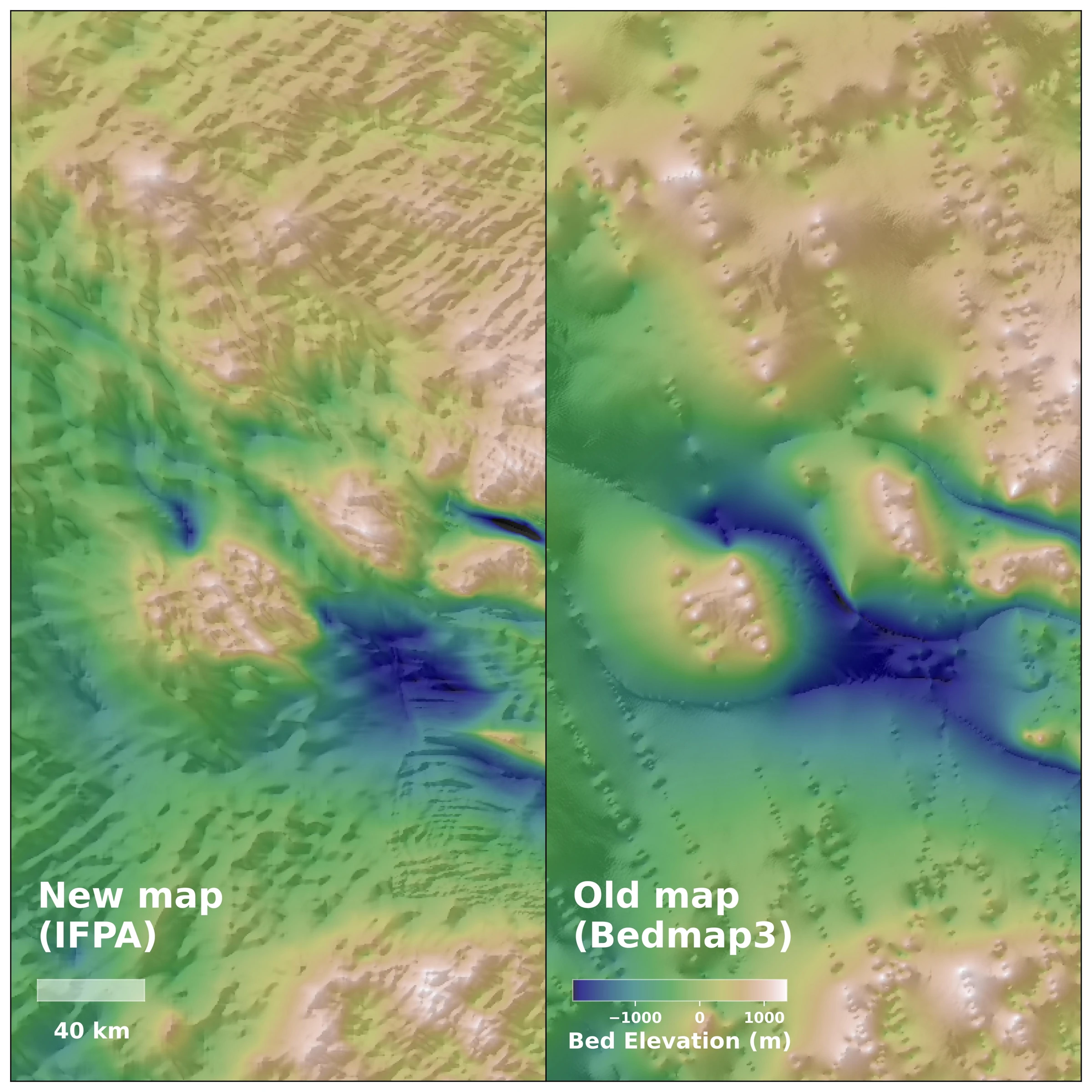
New detailed map reveals Antarctica's hidden subglacial features
Researchers have created the most detailed map of Antarctica's subglacial landscape to date, revealing thousands of previously undiscovered hills and ridges beneath the ice. This mapping, which combines satellite data and glaciological physics, aims to enhance understanding of how the continent's ice sheet may respond to climate change and its implications for sea-level rise. The study, led by Dr. Helen Ockenden from the University of Grenoble-Alpes, highlights the significant gaps in knowledge about Antarctica's topography, which is more obscure than that of some planets in the Solar System.
HHS to Study Cellphone Radiation Amid Health Concerns
The U.S. Department of Health and Human Services (HHS) announced it will launch a study on cellphone radiation, following Secretary Robert F. Kennedy Jr.'s concerns linking cellphone use to neurological damage and cancer. As part of this initiative, the HHS has removed webpages from the U.S. Food and Drug Administration (FDA) that previously stated cellphones are not dangerous. Despite this, some agency webpages, including those of the FDA and the U.S. Centers for Disease Control and Prevention, maintain that there is currently no credible evidence of health risks associated with cellphone radiation.
Color-blind patients face higher bladder cancer mortality risk
A study analyzing electronic health records from over 275 million people has found that color-blind patients face a 52% greater risk of death from bladder cancer compared to those with normal color vision. Of the 135 color-blind patients examined, about half were still alive ten years after diagnosis, in contrast to roughly three-quarters of matched individuals without color vision deficiency. Researchers suggest that the inability to detect blood in urine, a key early symptom of bladder cancer, may lead to delayed diagnoses and poorer survival outcomes.
Nuclear Startups Promote Small Modular Reactors for Clean Energy
Nuclear energy startups are advancing small modular reactors (SMRs) as a viable clean energy solution, emphasizing their scalability and safety features. Valar Atomics is developing high-temperature gas reactors (HTGRs) that utilize TRISO fuel for enhanced safety and efficiency, while X-energy's Xe-100 reactor offers modular design and passive safety systems. Meanwhile, TerraPower is working on sodium-cooled fast reactors with a closed fuel cycle, aiming to reduce waste and improve cost-effectiveness in nuclear energy.
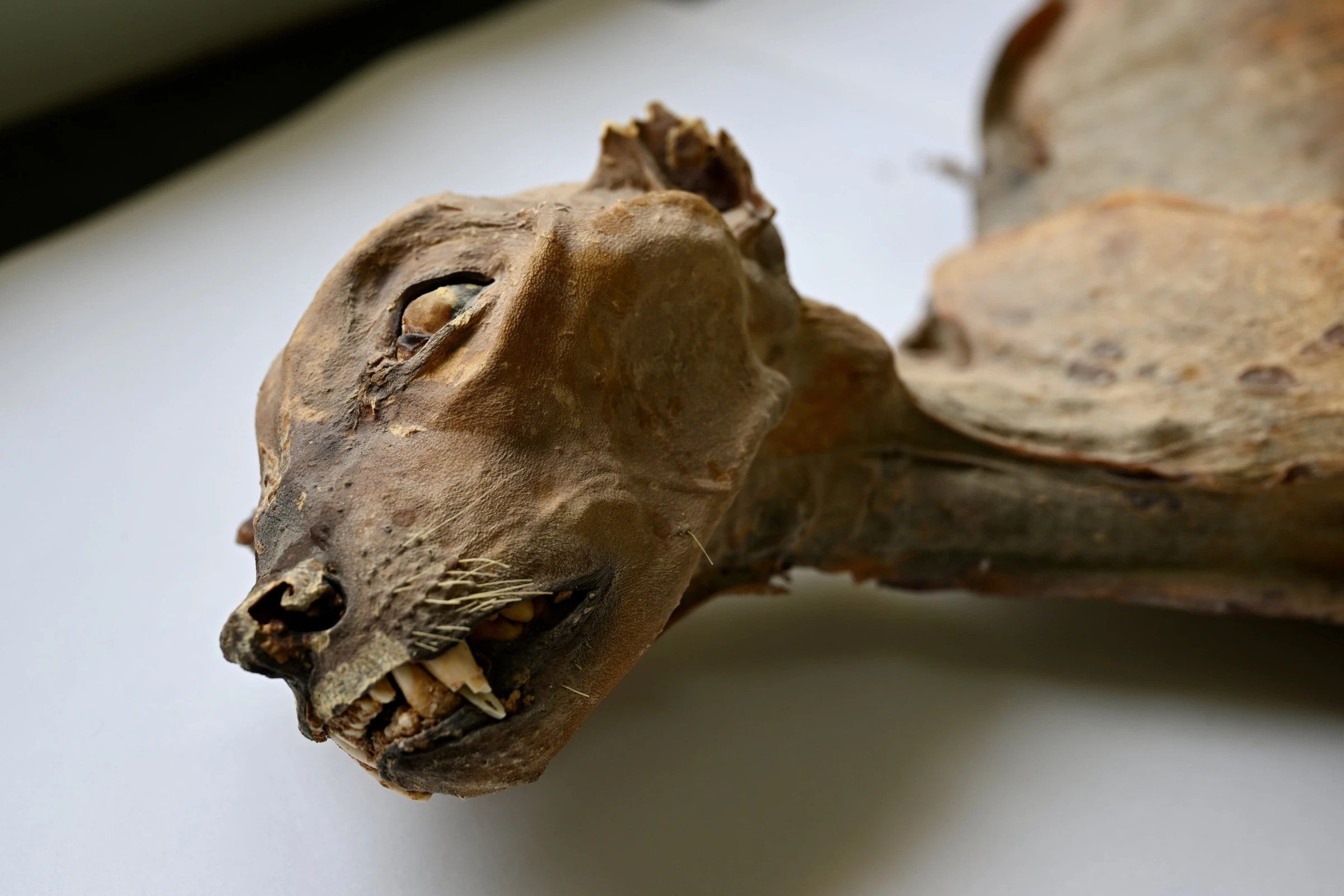
Ancient Cheetah Remains Discovered in Northern Saudi Arabia
Researchers from Saudi Arabia's National Center for Wildlife have discovered dozens of ancient cheetah remains, including seven mummies, in caves in northern Saudi Arabia, where the species has been extinct since the 1970s. Genetic analysis published on January 15 in Communications Earth & Environment indicates that these cheetahs are closely related to both Asiatic and northwestern African subspecies, suggesting potential candidates for reintroduction efforts in the region.