Scientists Warn of Antarctic Peninsula's Future Under Emissions
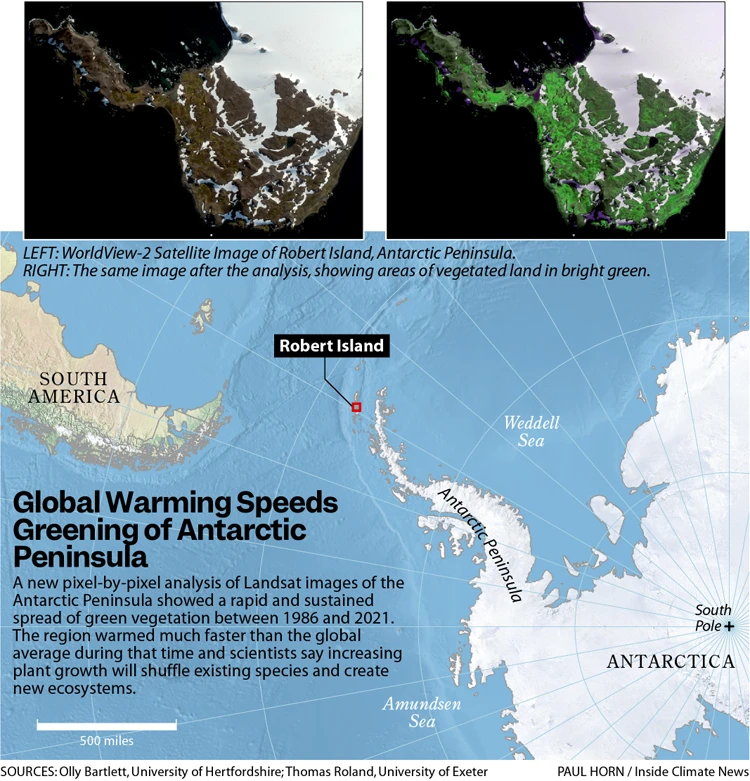
A team of international scientists has modeled potential scenarios for the Antarctic Peninsula, warning that urgent action is needed to limit greenhouse gas emissions to avoid severe environmental impacts. The study, published in Frontiers in Environmental Science, indicates that under a high emissions scenario, sea ice coverage could decrease by 20% by the end of the century, threatening wildlife and contributing to global sea level rise. Lead author Professor Bethan Davies from Newcastle University emphasized that the future of Antarctica hinges on today's choices regarding emissions.
Scientists Warn on Trump Administration's Radiation Standard Changes
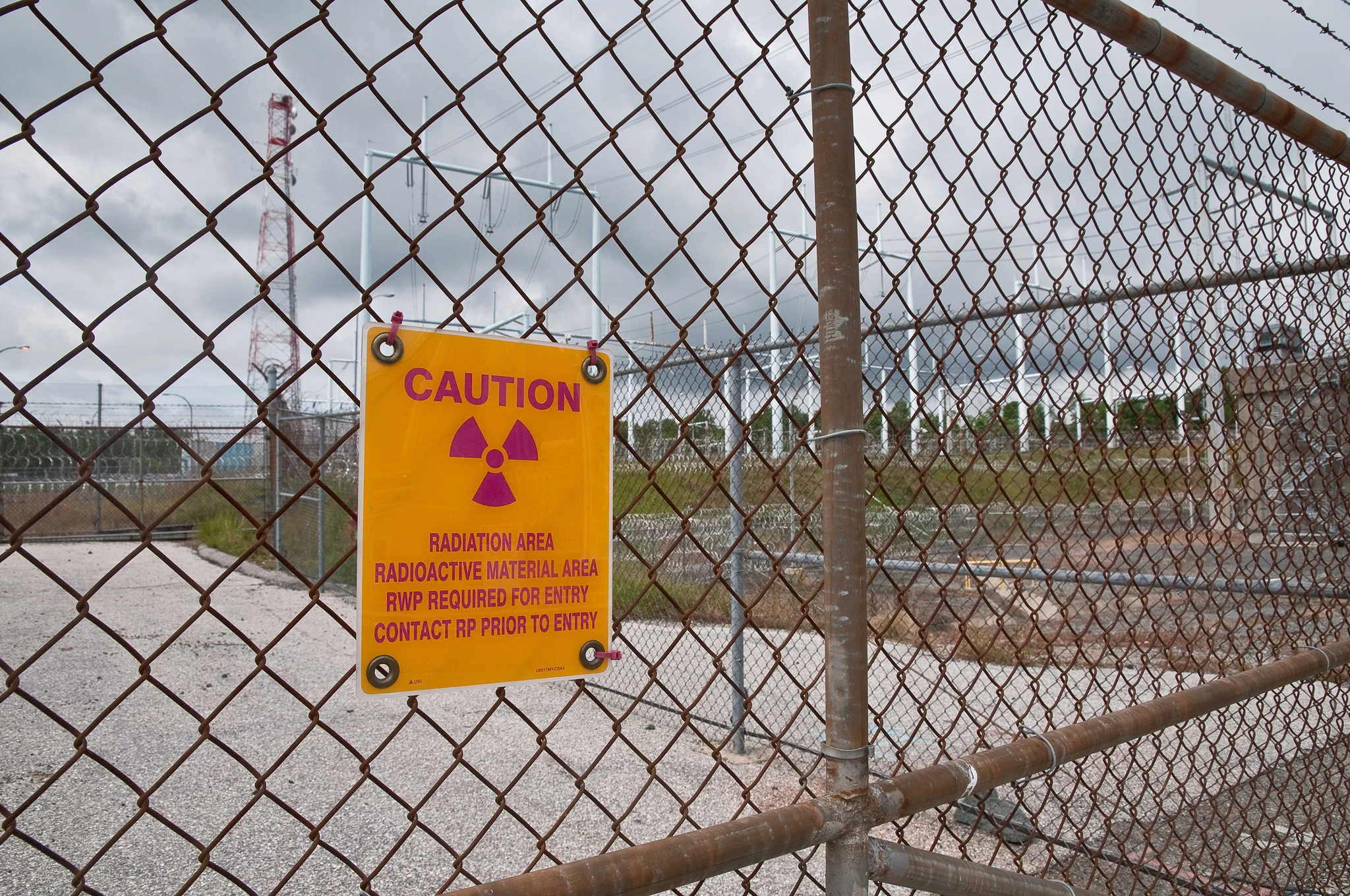
Scientists have raised concerns over the Trump administration's plans to relax radiation exposure standards, warning that such changes could elevate cancer risks as the government promotes nuclear power. The administration's push for these adjustments has sparked significant debate among health experts, who argue that maintaining stringent safety measures is crucial for public health.
Study Reveals SpaceX Rocket Pollution in Upper Atmosphere
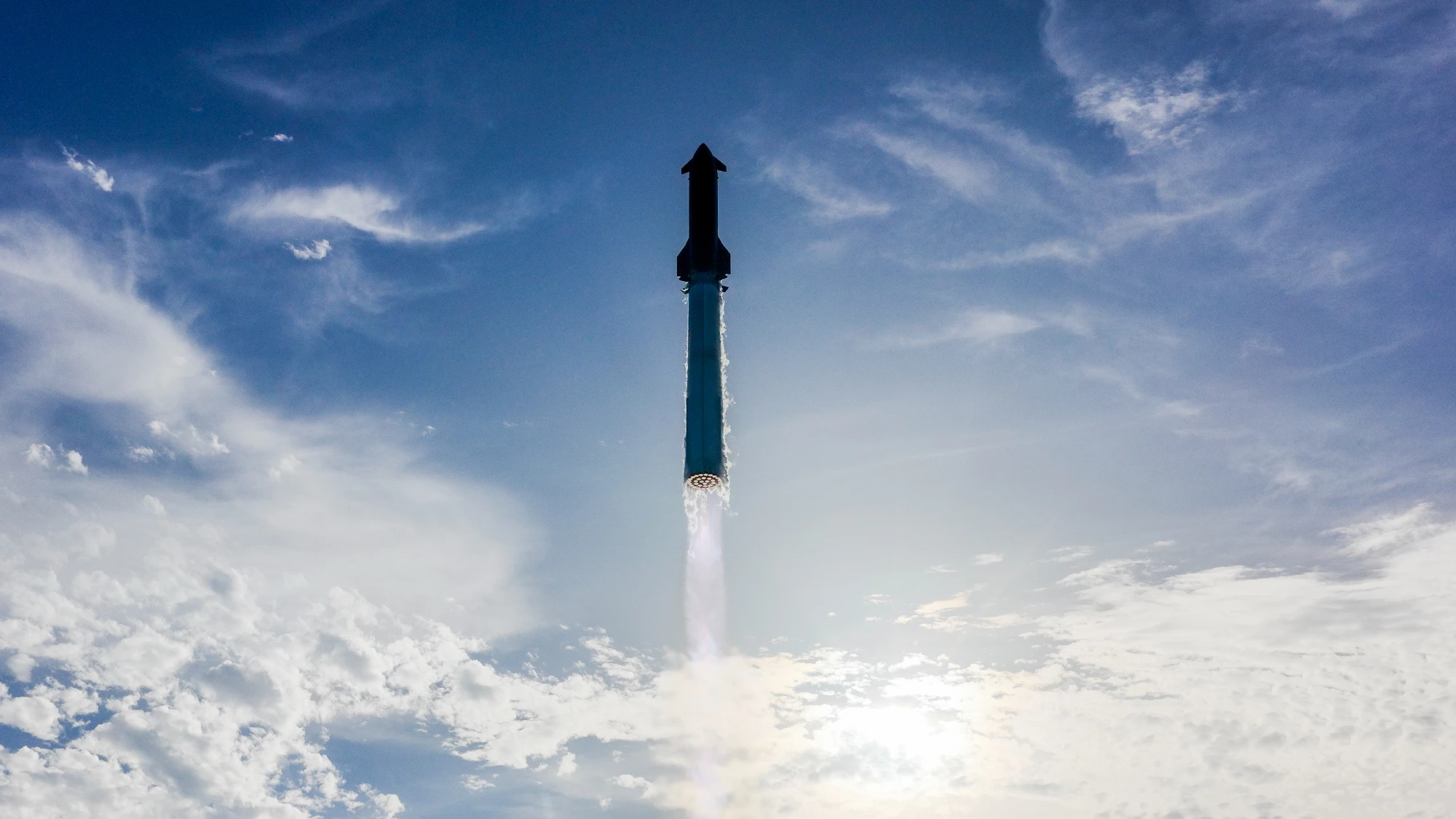
A study led by Robin Wing from the Leibniz Institute of Atmospheric Physics has tracked a pollution plume resulting from the uncontrolled re-entry of a discarded SpaceX Falcon 9 rocket upper stage, marking the first observational evidence of human-caused chemical pollution in the upper atmosphere. Using sensitive laser technology, researchers detected lithium emissions from the rocket's debris, highlighting the growing environmental impact of space junk as satellite launches increase. The findings underscore the urgent need for regulatory measures to address the pollution of the upper stratosphere, mesosphere, and lower thermosphere.
New Machine Learning Framework Accelerates Protein Engineering
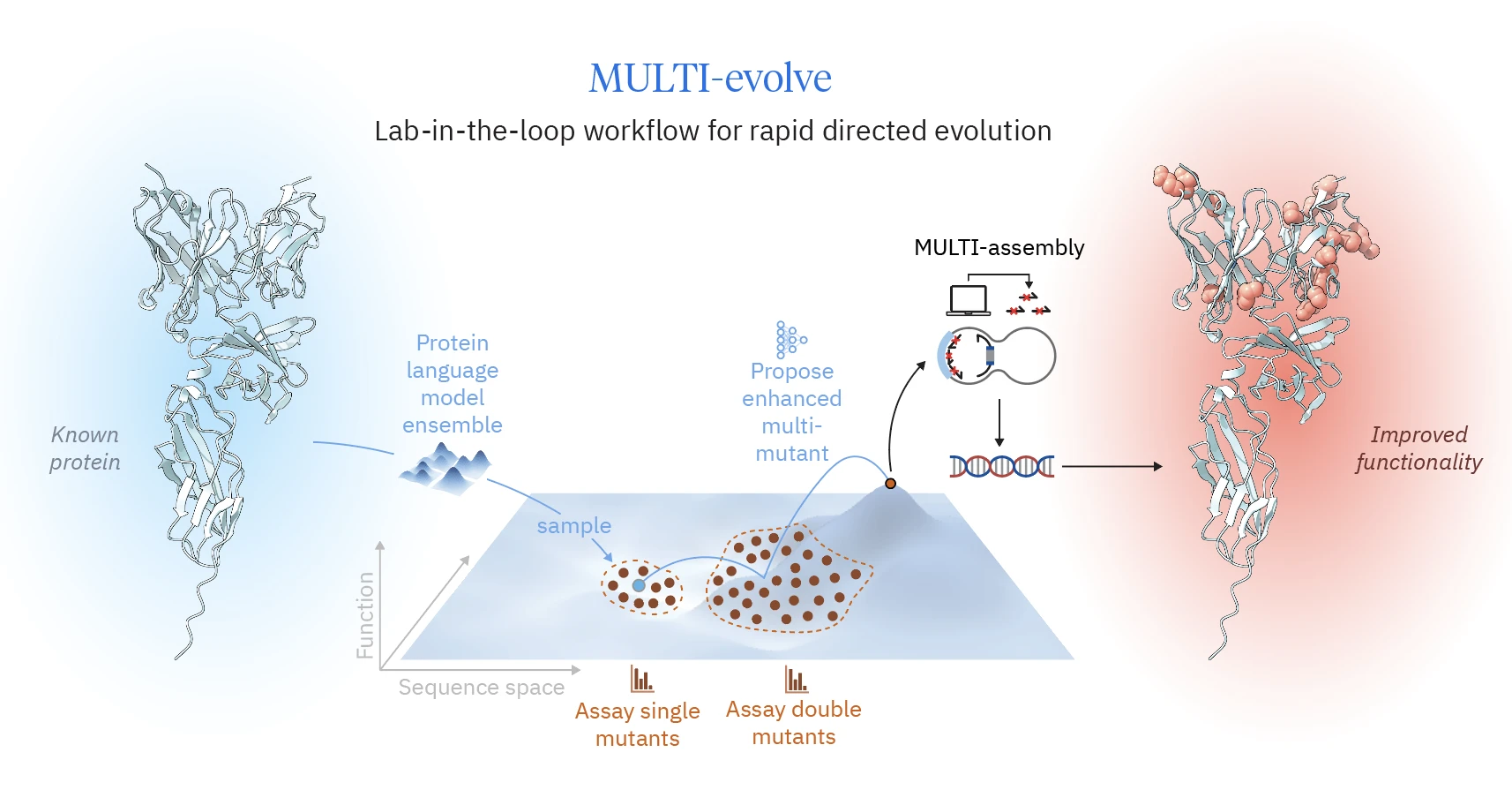
Researchers at the Arc Institute have introduced MULTI-evolve, a novel machine learning framework designed to enhance protein engineering by predicting effective combinations of function-enhancing mutations. By utilizing compact datasets of approximately 200 strategically selected protein variants, MULTI-evolve can accurately explore complex interactions between mutations, significantly reducing the time and data required for protein evolution from months to weeks. This approach has demonstrated real-world applicability, achieving up to a 256-fold increase in activity for an engineered APEX peroxidase variant, surpassing previous optimizations.
Study Links Cat Tumors to Human Cancer Genetics
Researchers led by Louise van der Weyden at the Wellcome Sanger Institute sequenced the genomes of tumors from nearly 500 domestic cats, revealing significant genetic similarities with human cancers. Published in Science, the study analyzed 13 types of tumors and identified recurring mutations, including the frequently mutated TP53 gene, which is also implicated in various human cancers. This research could pave the way for targeted cancer treatments for both cats and humans, highlighting the shared environmental influences and genetic pathways between the species.