Study finds lithium pollution from SpaceX rocket reentry
Researchers have detected metal pollutants, specifically lithium, from a SpaceX Falcon 9 rocket during its reentry on February 19, 2025, marking the first direct observation of metal pollution from space debris. The study, published in Communications Earth and Environment, indicates that such pollutants can damage the ozone layer and highlights the potential for increased atmospheric contamination as commercial space activity grows, with nearly 10,000 satellites currently in orbit and plans for more than 40,000. The findings underscore the need for monitoring and regulation of emissions from spaceflight to mitigate environmental impacts.
Study finds drastic decline in tropical bird populations
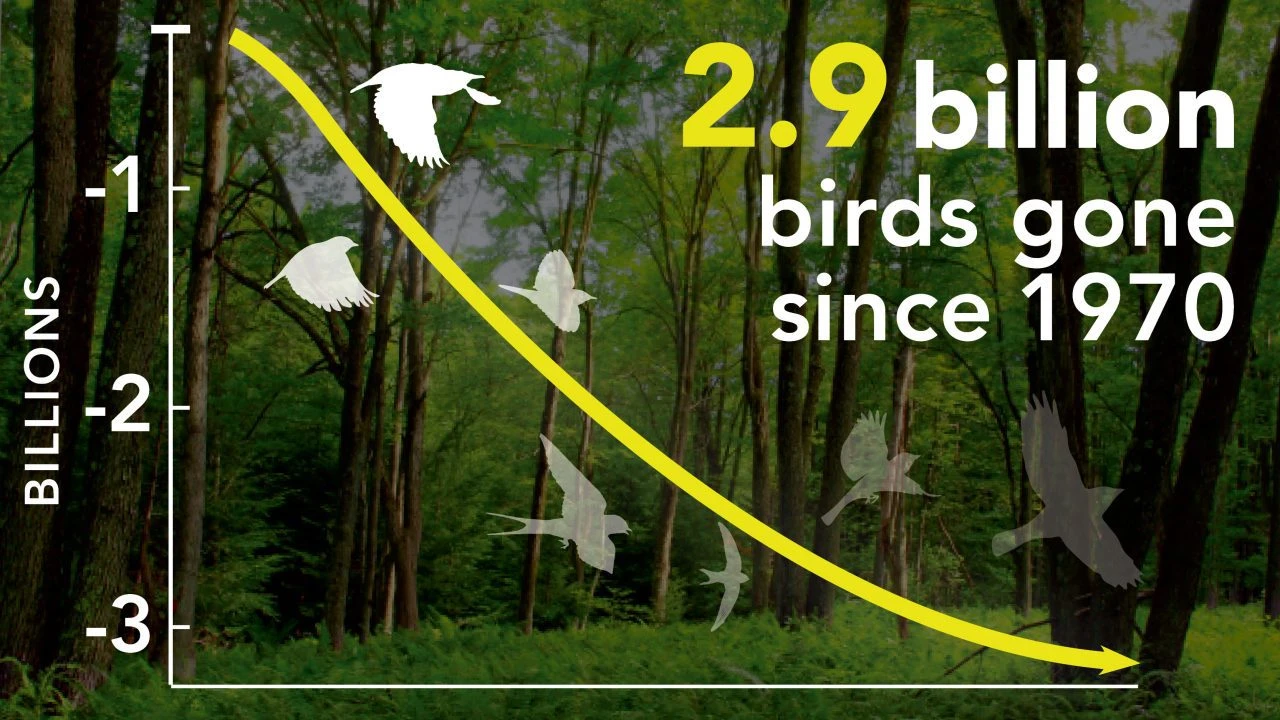
An international study coordinated by the Autonomous University of Barcelona reveals a significant decline in bird populations across tropical forests, with the average body mass of birds in Indigenous and local communities dropping by up to 72% between 1940 and 2020. The research, which involved 1,434 adults from Latin America, Asia, and Africa, highlights the cultural implications of this biodiversity loss, as traditional practices tied to bird species face extinction. In the Bolivian Amazon, the Tsimane' people report a stark reduction in bird diversity, with only ruddy pigeons and giant cowbirds now prevalent, contrasting sharply with the rich avian life remembered by their elders.
Climate Change Threatens Monarch Butterfly Migration Patterns
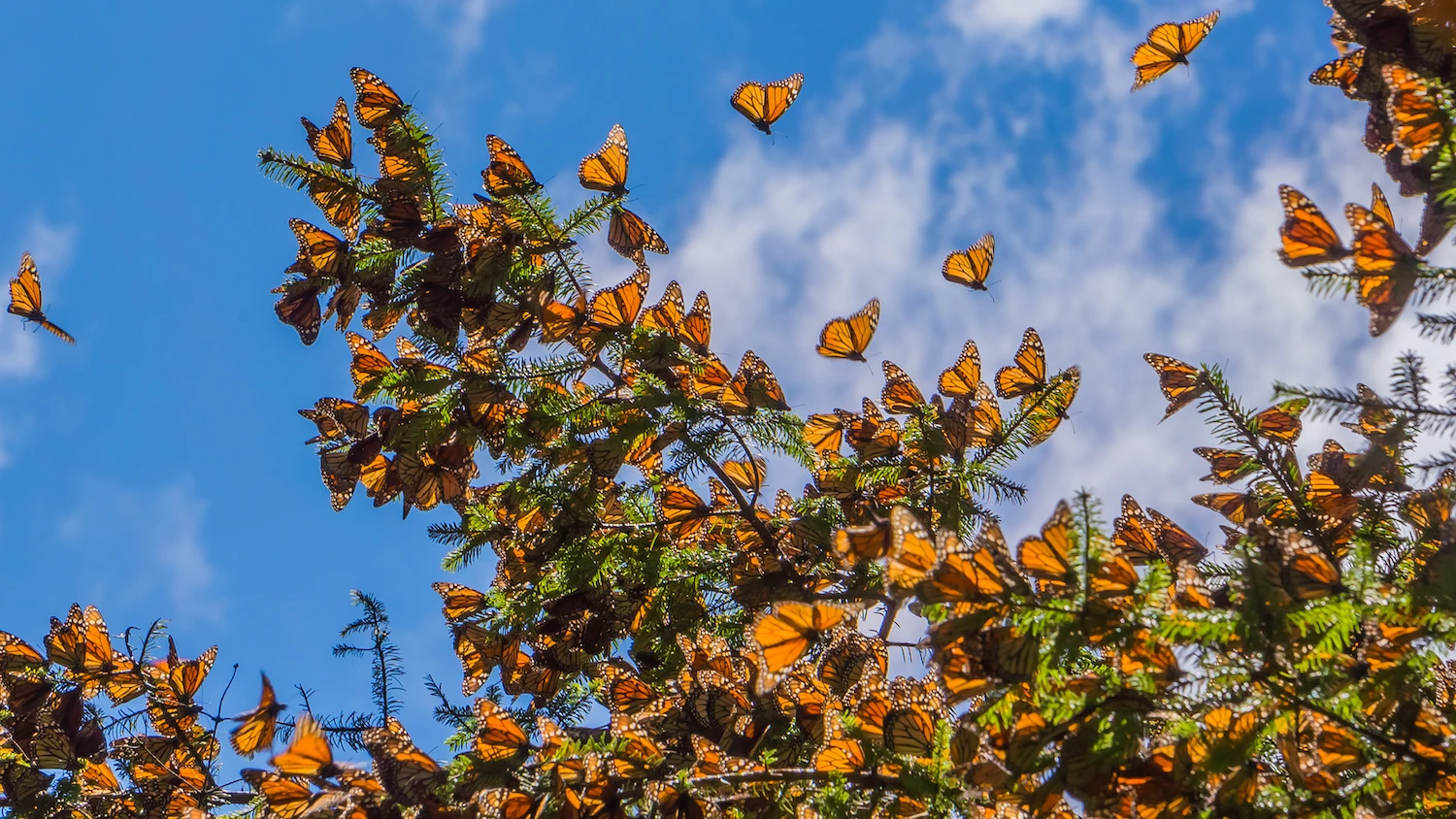
Climate change may disrupt the migration patterns of monarch butterflies, as shifting climate conditions threaten the availability of suitable milkweed habitats in Mexico. This disruption could result in some butterflies remaining in place rather than undertaking their traditional migration, which is crucial for their survival and reproduction.