European Parliament initiates €1 billion exposome research project
Members of the European Parliament have launched a €1 billion research initiative focused on exposome studies, which aim to track the lifetime exposures affecting human health. This mission seeks to enhance understanding of how various environmental and lifestyle factors contribute to health outcomes.
Grail's Galleri Test Fails to Meet Cancer Detection Goals
Grail announced that its Galleri blood test, designed to detect cancer early, did not achieve its intended outcomes in a recent study involving 142,000 healthy adults in Britain. The test failed to significantly reduce the number of late-stage cancer diagnoses, missing its primary goal of a 20% drop in advanced cancers. Despite selling nearly 500,000 tests since its introduction in the U.S. in 2021, the results raise concerns about the test's efficacy and could complicate Grail's efforts to secure FDA approval.
Japan to Launch OHISAMA Satellite for Solar Energy
Japan is advancing its space-based solar energy initiative with the launch of the OHISAMA satellite, scheduled for fiscal year 2026. This experimental satellite, weighing approximately 180 kilograms and equipped with a generation and transmission panel, aims to capture sunlight in low Earth orbit and wirelessly transmit electricity to the surface. The project seeks to demonstrate the feasibility of continuous power generation from space, potentially enhancing the reliability of renewable energy sources.
Study links fire-footed rope squirrel to 2023 mpox outbreak
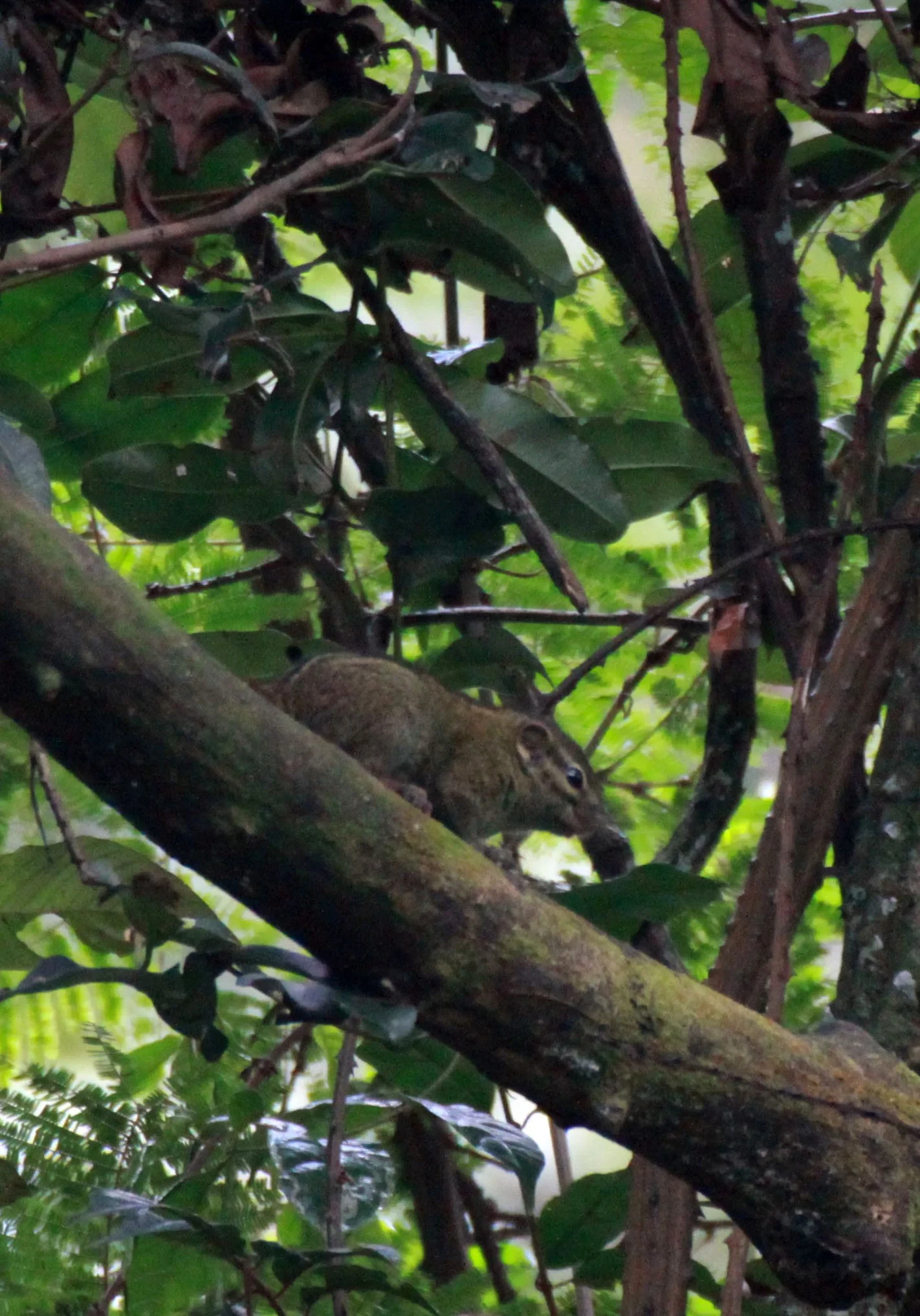
A study published in _Nature_ indicates that a fire-footed rope squirrel was the source of a 2023 mpox outbreak among sooty mangabeys in Côte d’Ivoire's Taï National Park, where approximately one-third of the group fell ill, including four infant deaths. Researchers found that the outbreak began after a sooty mangabey consumed the squirrel, marking the first documented instance of monkeypox transmission between wild species. Genetic analyses confirmed a close relationship between the virus found in the squirrel and that which infected the mangabeys.