NIH Faces Major Delays in Fiscal 2026 Fund Distribution
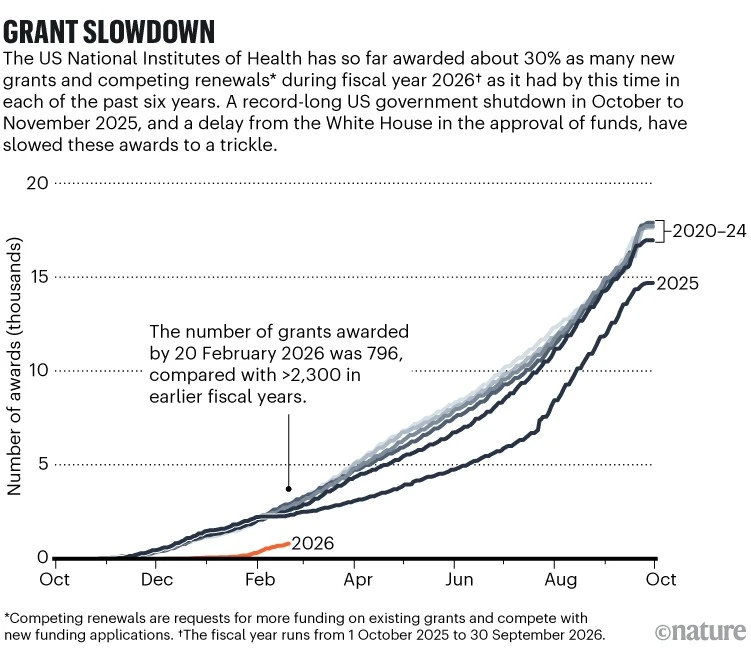
The National Institutes of Health (NIH) is experiencing significant delays in distributing its fiscal 2026 funds to grantees, with the number of awards granted down 80% and the total value of awards dispersed 70% less than the four-year average for this time of year. Research advocates express concern that without timely updates, the Trump administration may claw back funds or impose multiyear grants that could hinder research progress. The delays are attributed to a new Office of Management and Budget requirement for detailed spending plans, which the NIH has yet to submit.
Study confirms bacteria can survive asteroid impact pressures
Researchers from Johns Hopkins University have confirmed that the bacterium _Deinococcus radiodurans_ can survive the extreme pressures generated by asteroid impacts, suggesting that life could potentially travel between planets on debris. In experiments simulating the conditions of a Martian ejection, the bacteria withstood pressures up to 2.4 Gigapascals, with 60% surviving the highest pressures tested. This study raises significant implications for the lithopanspermia hypothesis and the origins of life on Earth.
Study reveals widespread rotator cuff abnormalities in older adults
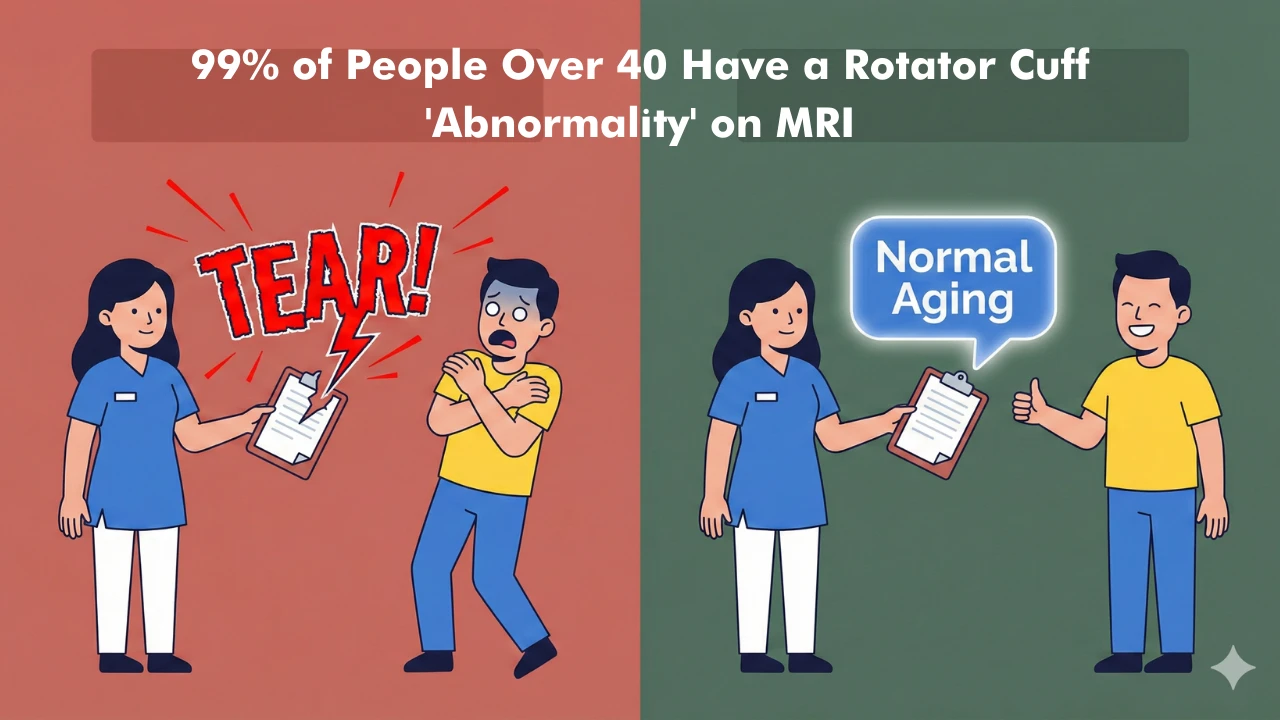
MRI scans of over 600 Finnish adults revealed that nearly all participants over the age of 40 exhibited frayed, torn, or otherwise abnormal rotator cuffs, despite the majority showing no symptoms. This finding highlights the prevalence of rotator cuff abnormalities in older adults, which are often linked to shoulder pain and functional limitations.
Soundtracks in Sleep Boost Problem-Solving in Dreamers
Researchers have found that lucid dreamers exposed to soundtracks linked to specific puzzles during sleep are more likely to solve those puzzles the following day. This study suggests that auditory cues can enhance problem-solving abilities while dreaming.
Study finds pregnancy reduces grey matter by 5 percent
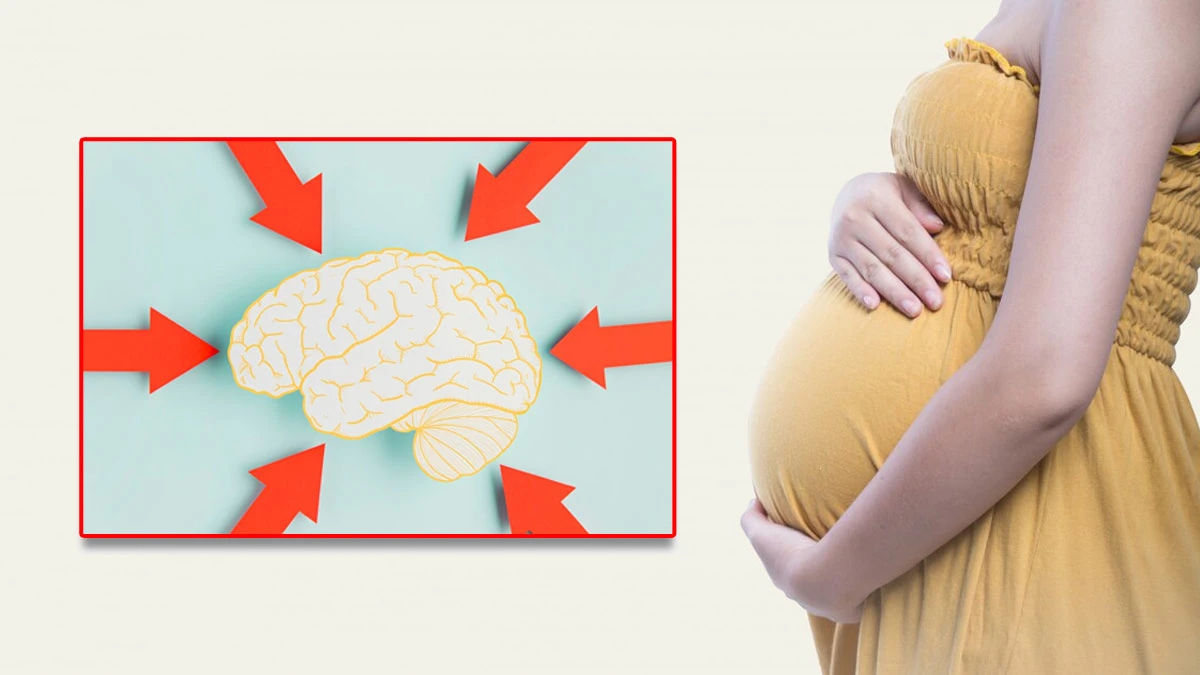
A study led by Prof Susana Carmona at Spain’s Gregorio Marañón Health Research Institute found that pregnancy results in an average reduction of nearly 5% in grey matter among 127 pregnant women, compared to 52 non-pregnant women. Published in Nature, the research suggests that this reduction, particularly in the default mode network associated with self-perception and empathy, is a beneficial adaptation that enhances maternal bonding, challenging the stereotype of 'baby brain'.