Study reveals sea level rise research underestimates coastal heights
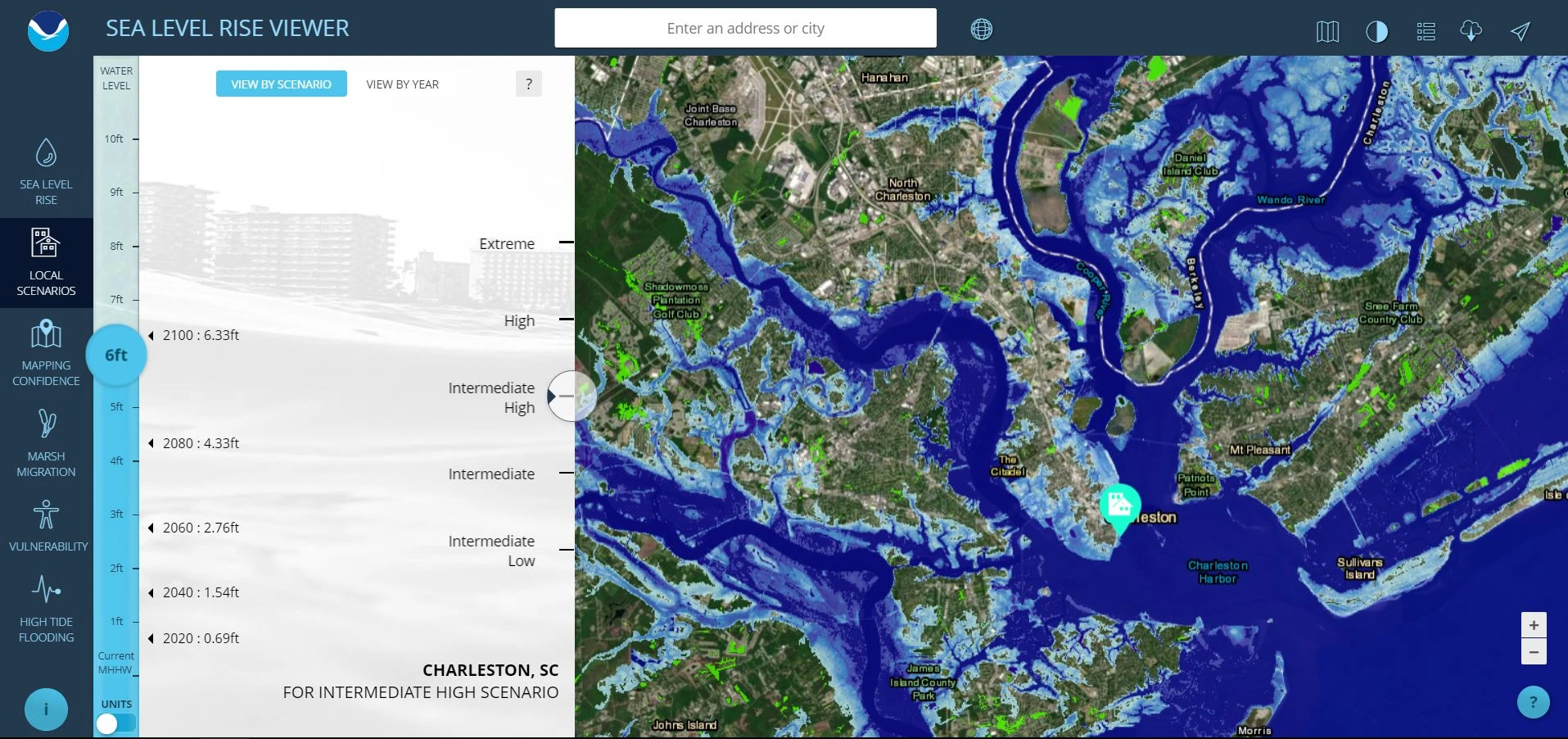
A new study published in the journal Nature reveals that approximately 90% of existing research on sea level rise has underestimated baseline coastal water heights by an average of 1 foot (30 centimeters), potentially putting an additional 77 million to 132 million people at risk from rising seas. The study, co-authored by Philip Minderhoud of Wageningen University, highlights a significant methodological blind spot in measuring sea and land altitudes, particularly affecting regions in the Global South, the Pacific, and Southeast Asia. Adjusting these measurements could mean that if sea levels rise by just over 3 feet (1 meter), up to 37% more land could be inundated.
Researchers Launch Evo2 DNA Model for Genomic Analysis
Researchers have unveiled the Evo2 DNA language model, an open-source AI capable of analyzing over 9.3 trillion nucleotides from more than 128,000 genomes, as reported in a paper published in _Nature_ on March 4, 2026. Developed through collaboration among the Arc Institute, NVIDIA, and several leading universities, Evo2 can identify genes and regulatory sequences, marking a significant advancement in genomic design and the potential for synthetic biology. While the model shows promise in creating AI-generated genomes, experts caution that substantial challenges remain before achieving fully synthetic life.
Tropical Insects Face Limits Amid Rising Temperatures
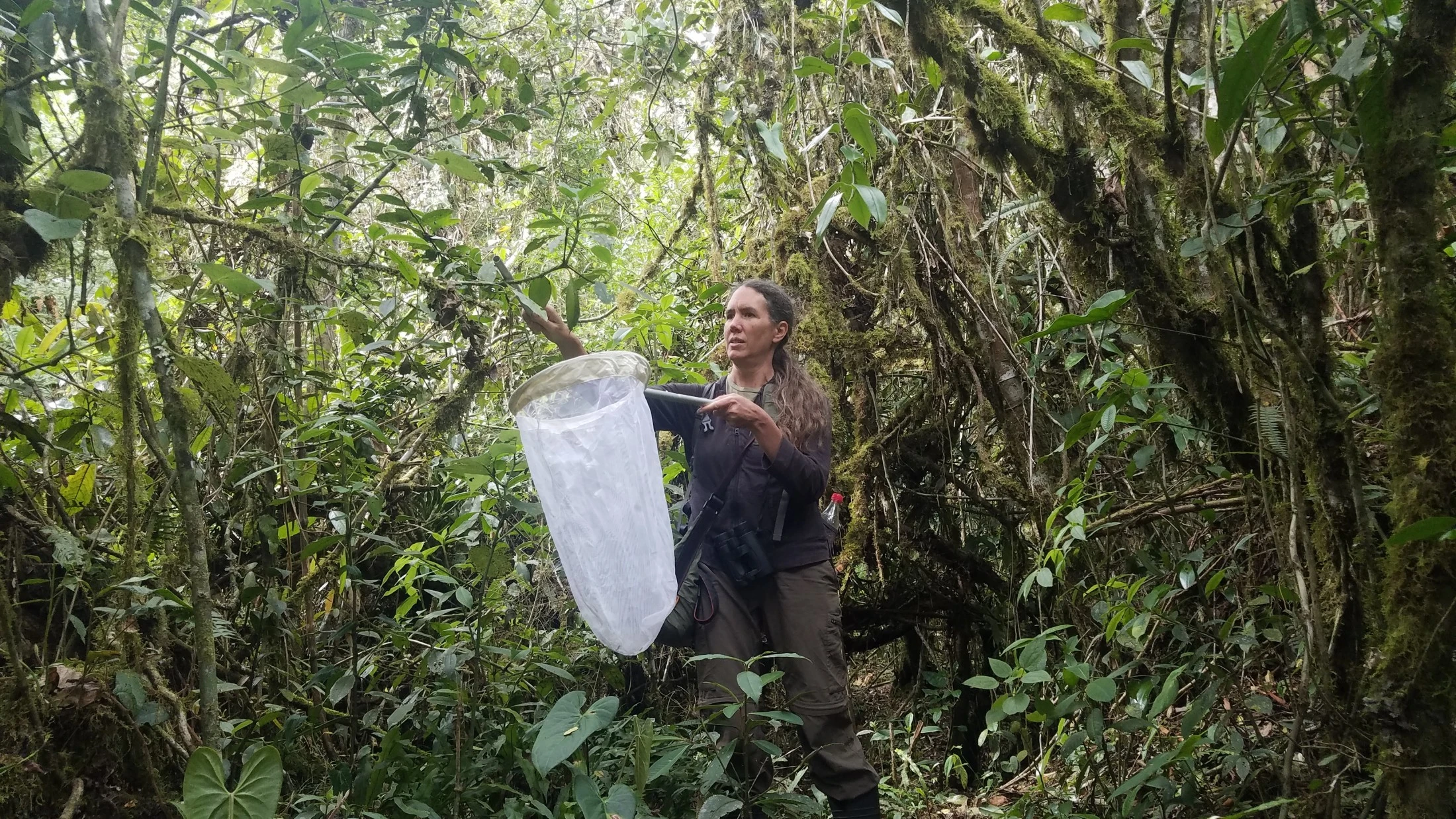
A study published in Nature highlights that many heat-stressed tropical insects in Peru and Kenya are reaching their physiological limits due to rising temperatures, raising concerns about biodiversity loss. Over 70% of all insect species are found in the tropics, where they play a crucial role in ecosystem functioning, yet data on their thermal tolerances remains limited. The research indicates that as global temperatures continue to rise, the ability of these insect communities to adapt may be severely constrained.
TerraPower gains NRC approval for Natrium nuclear plant
TerraPower has received approval from the U.S. Nuclear Regulatory Commission (NRC) to begin construction on its first nuclear power plant, the Natrium plant, in Wyoming. This marks the first construction permit issued for a commercial-scale advanced nuclear reactor in the United States, with plans for completion by 2030, pending further regulatory approvals. The Natrium design features a 345 MW sodium-cooled fast reactor and a unique molten salt-based energy storage system, allowing for increased output during peak demand.
New gene therapy significantly reduces seizures in children
A clinical trial has shown that zorevunersen, a new gene therapy for Dravet syndrome, significantly reduces seizures in children aged two to 18, with participants experiencing between 59% and 91% fewer seizures over 20 months. Conducted by researchers from University College London and Great Ormond Street Hospital, the trial involved 81 patients and aimed to evaluate the safety and tolerability of the drug, which targets the underlying genetic cause of the condition. The findings, published in The New England Journal of Medicine, indicate potential improvements in quality of life and cognitive function for affected children.