NASA Discovers Massive New Crater on Moon
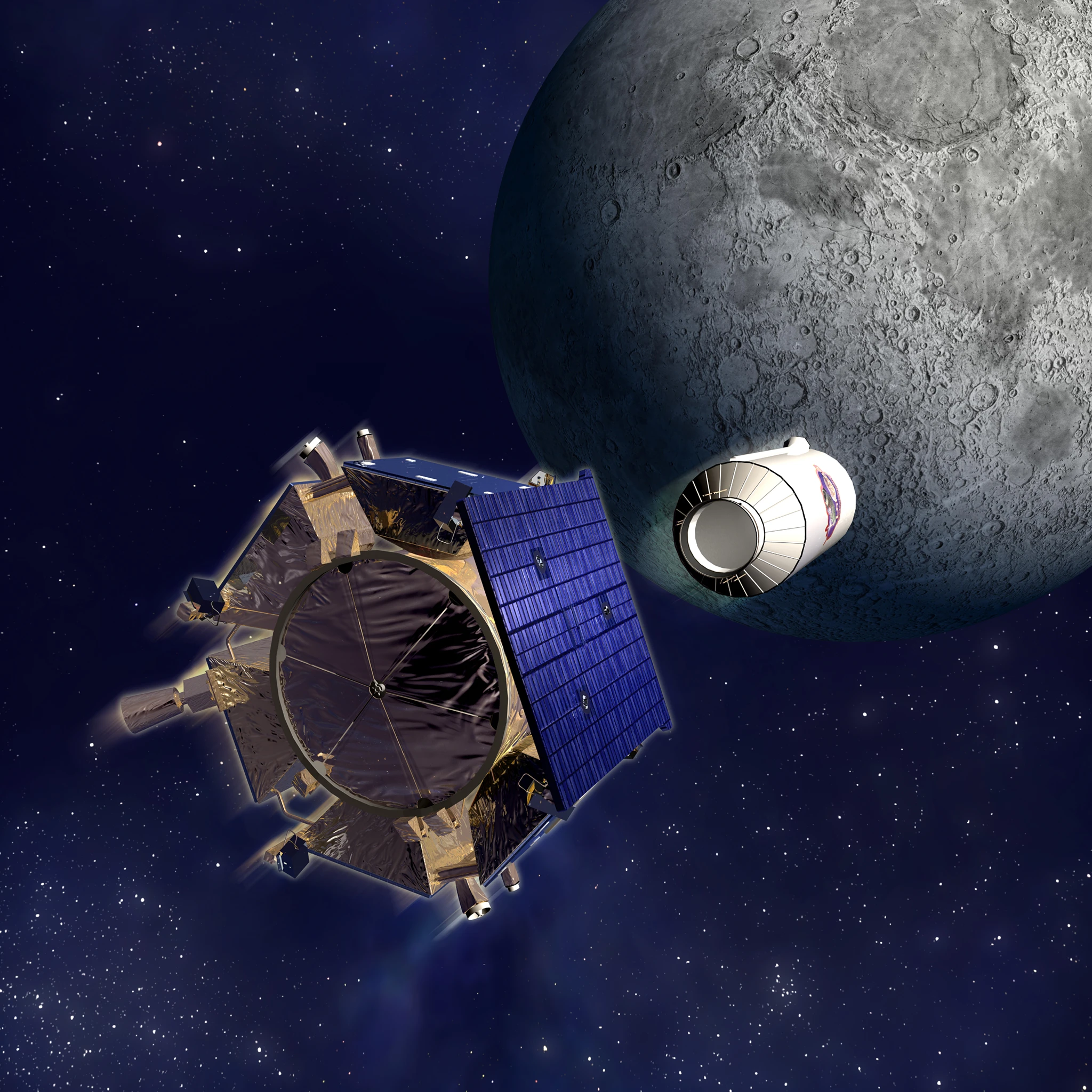
NASA reported the formation of a massive new crater on the moon, measuring approximately the size of two American football fields, an event expected to occur only once every century. This rare occurrence was observed by a NASA orbiter in spring 2024.
Katalyst Space to Rescue NASA's Swift Satellite by 2026
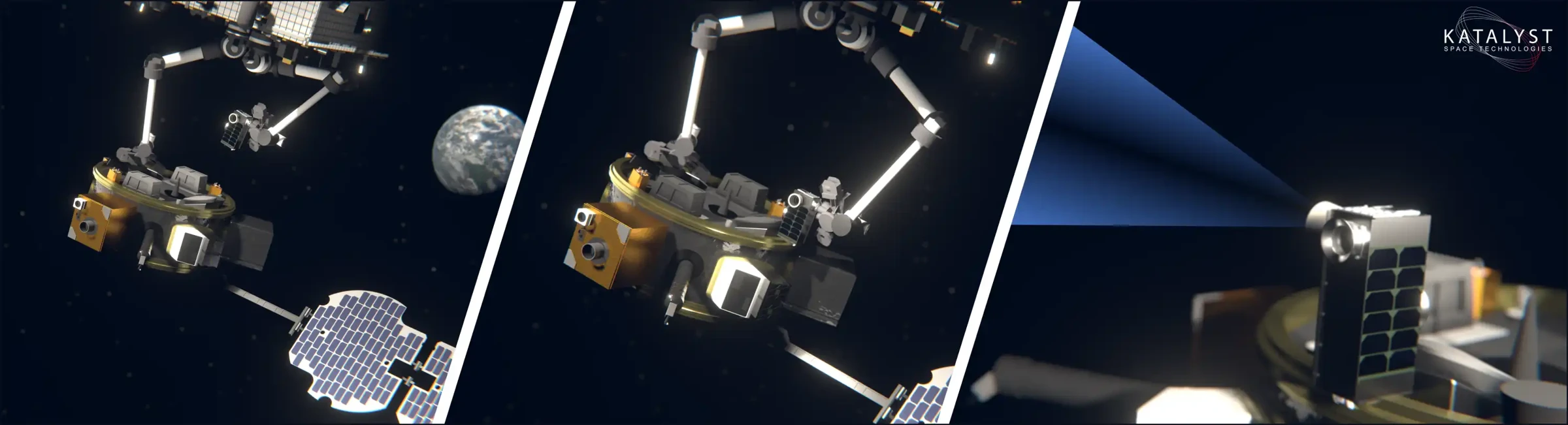
Katalyst Space Technologies is preparing a rescue mission for NASA's Swift satellite, which is falling out of orbit and at risk of disintegration by the end of 2026. The company has been awarded a $30 million contract to launch a robotic spacecraft named Link by June 1, 2026, to stabilize Swift's orbit and extend its operational life. This mission marks a significant step in commercial satellite servicing, as it will be Katalyst's first attempt to dock with another satellite in space.
Study reveals strategies to reverse groundwater crises
Scott Jasechko, a researcher at the University of California, Santa Barbara, has published a study in Science analyzing 67 global cases of groundwater recovery, revealing that effective strategies can reverse groundwater crises. The research indicates that in 81% of the cases, the introduction of alternative water sources, such as infrastructure projects or policy changes, played a crucial role in reducing groundwater pumping and promoting recovery. Examples include China's South-to-North Water Diversion Project and local initiatives like El Dorado, Arkansas, which implemented fees for groundwater use to fund alternative water supplies.
NASA's Juno Reveals Powerful Lightning on Jupiter
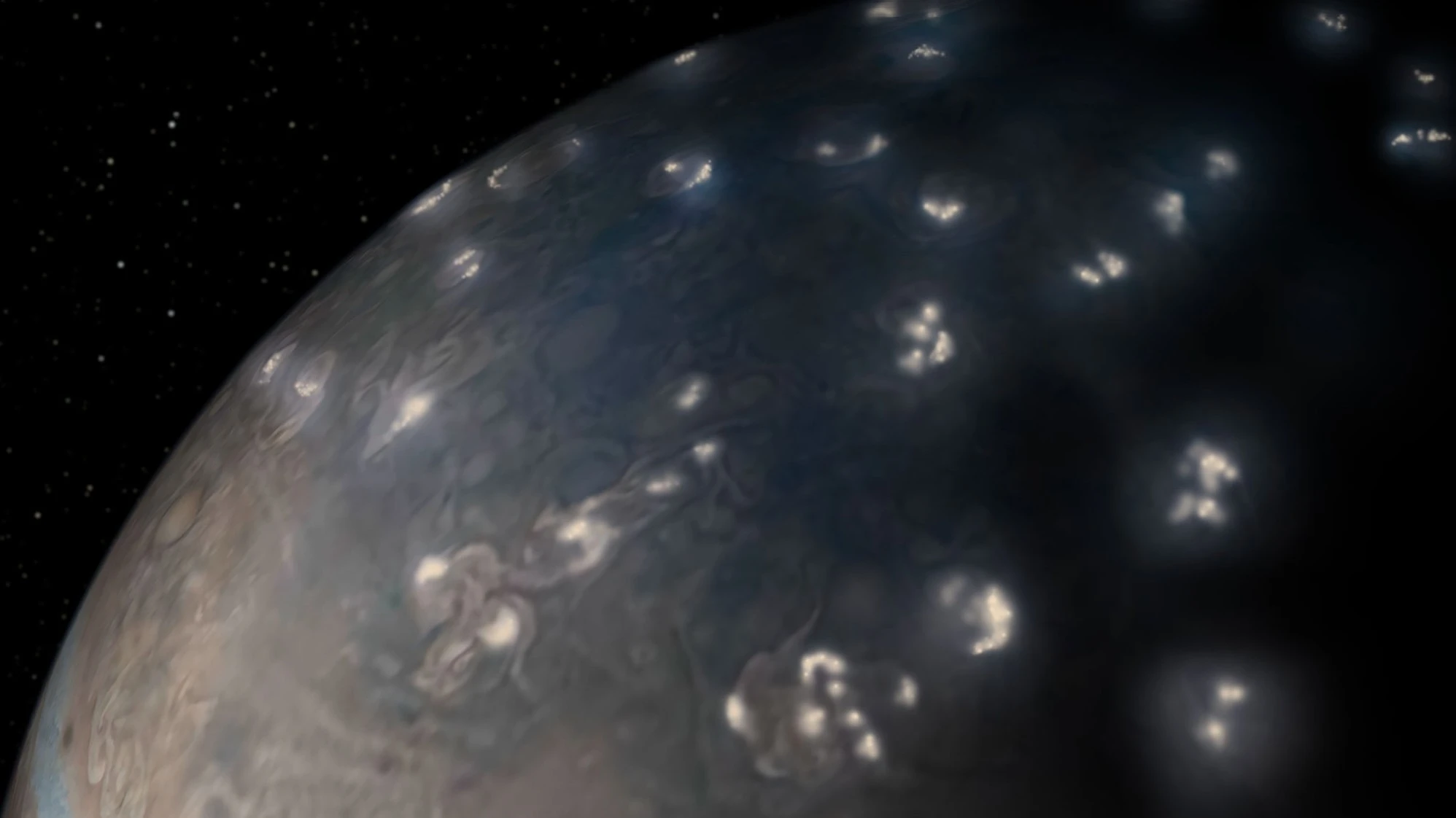
NASA's Juno spacecraft continues to provide valuable scientific data from Jupiter, revealing that the planet's storms generate lightning flashes at least 100 times more powerful than those on Earth, according to findings published on March 20 in _AGU Advances_. Despite Juno's operational success, its future remains uncertain as NASA faces budget constraints, with a fiscal year 2026 budget allocating $2.54 billion for the planetary science division, which is $220 million less than last year. Louise Prockter, director of NASA's planetary science division, indicated that tough decisions are necessary regarding the continuation of Juno and other missions.