DESI Completes Largest 3D Universe Map Exceeding Goals
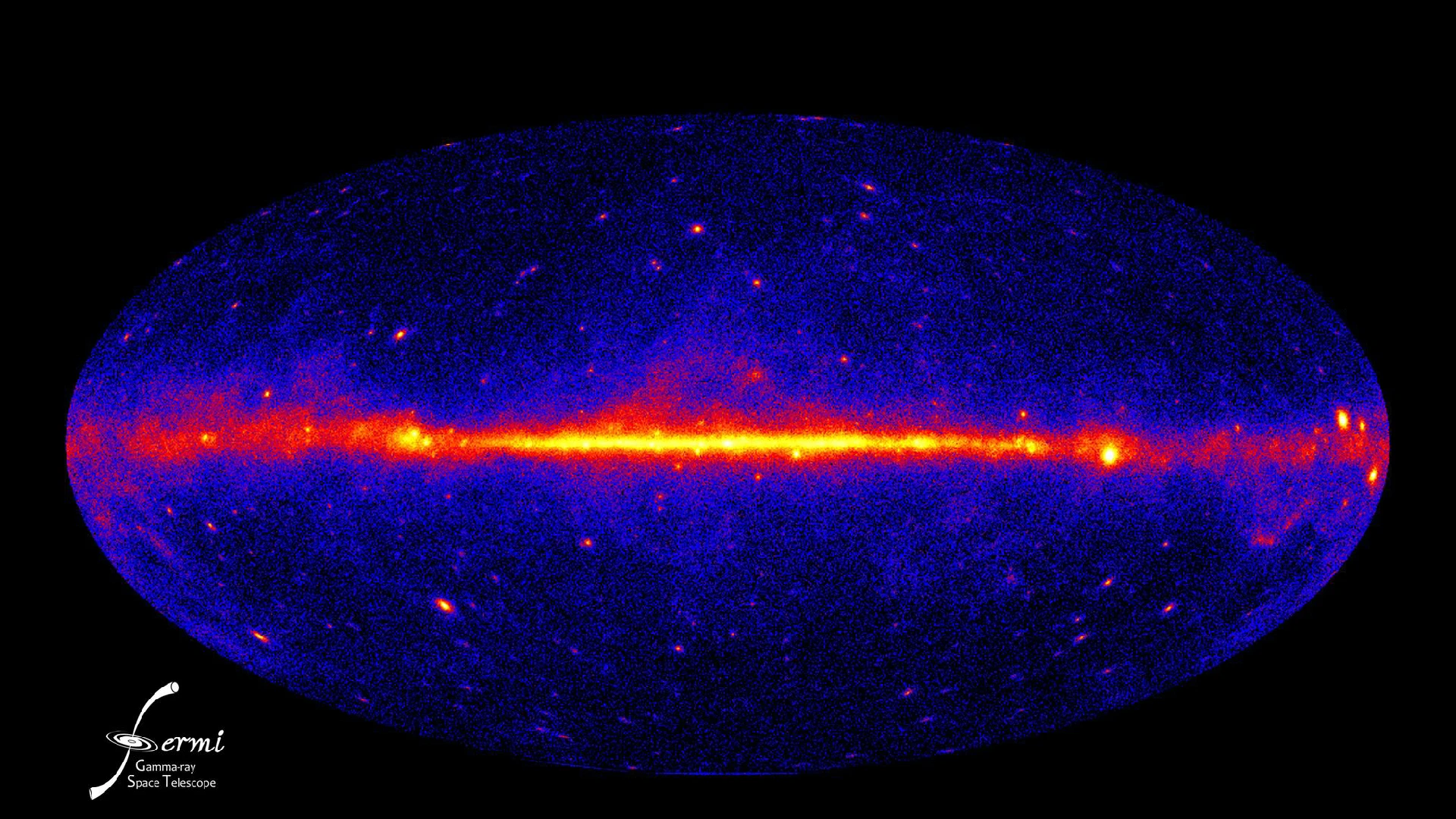
The Dark Energy Spectroscopic Instrument (DESI) has completed the largest high-resolution 3D map of the universe, capturing data on over 47 million galaxies and quasars, exceeding its initial goal of 34 million. This five-year survey, managed by the Department of Energy’s Lawrence Berkeley National Laboratory and involving over 900 researchers, aims to explore the nature of dark energy, which constitutes about 70% of the universe. Early analyses suggest that dark energy may vary over time, and the comprehensive data set will be crucial for testing this hypothesis.
Neurobiology of Aging retracts key amyloid-β study
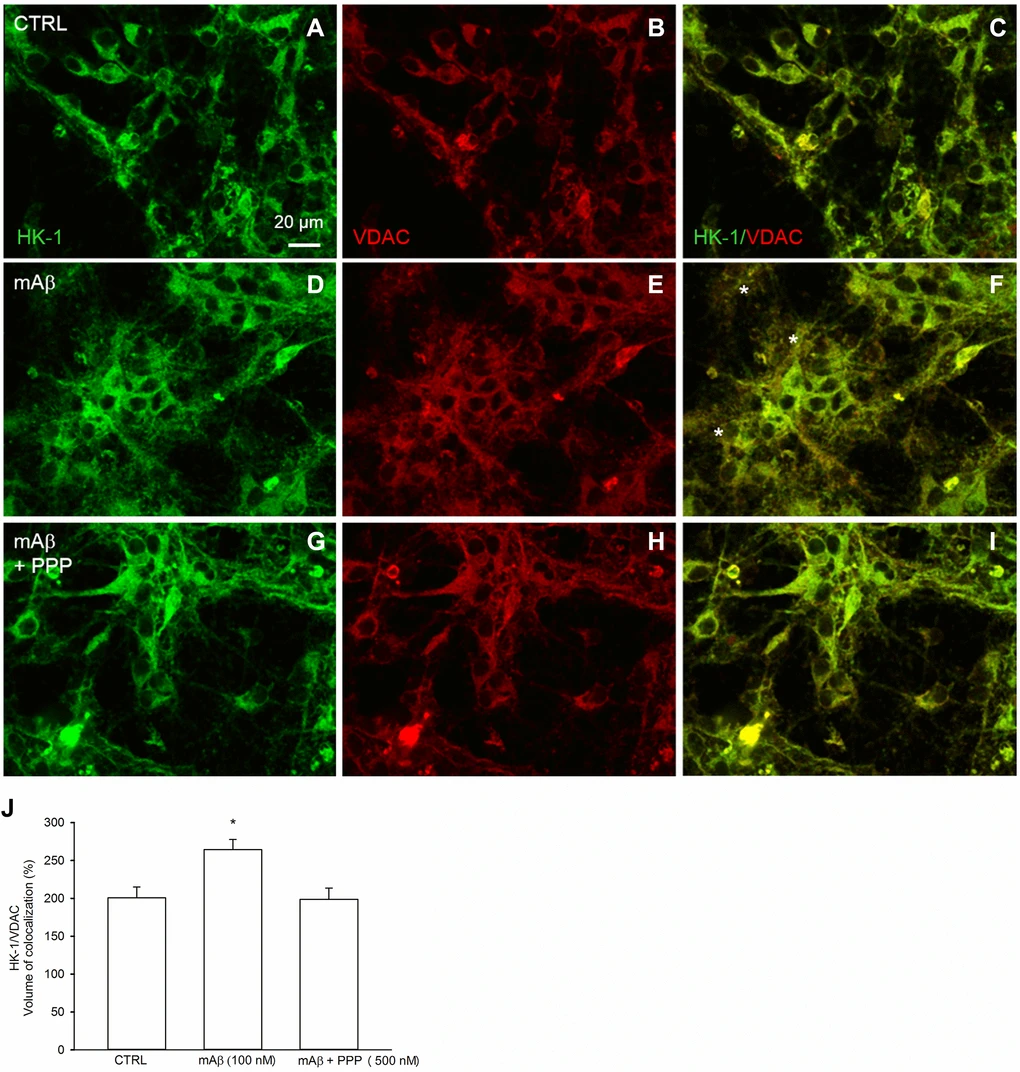
The journal Neurobiology of Aging has retracted a 2011 paper that claimed amyloid-β was responsible for memory loss in Alzheimer's disease, highlighting a growing trend of retractions related to this protein. Over recent years, multiple studies asserting amyloid-β as the central driver of Alzheimer's have been withdrawn, and some researchers have faced fraud allegations, while drugs targeting this protein have failed to demonstrate significant clinical efficacy.
Peking University AI Solves Decade-Old Algebra Conjecture
A team from Peking University has developed an artificial intelligence system that solved a decade-old algebra conjecture proposed by the late American mathematician Dan Anderson. The AI processed decades of mathematical literature and verified its findings autonomously, completing the task in 80 hours of runtime without human intervention. This development illustrates the potential for AI to automate substantial portions of mathematical research, although researchers caution that human oversight remains important to ensure the rigor of mathematical proofs.
Archaeologists Uncover Ancient Cave Beneath Pembroke Castle
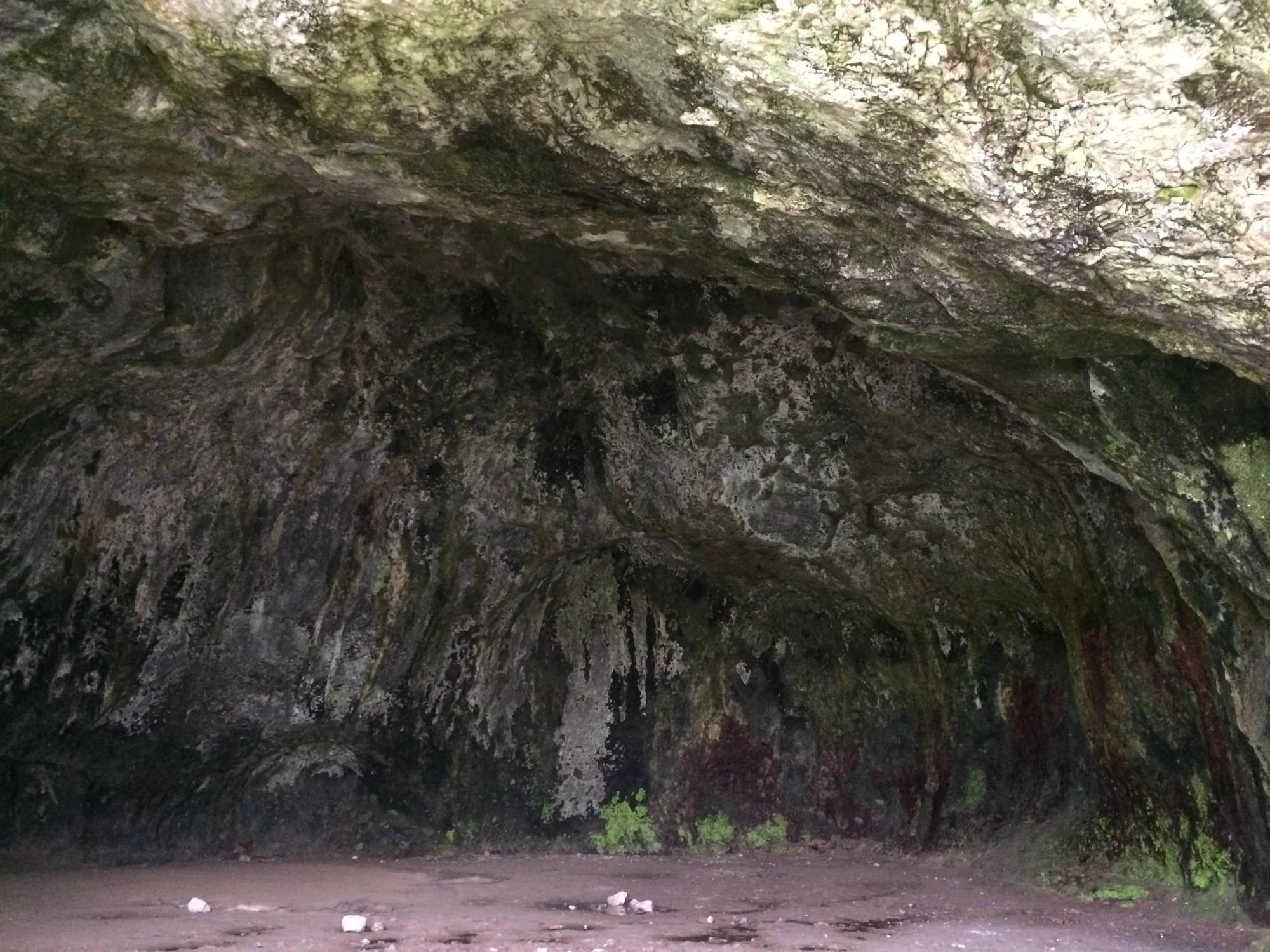
Archaeologists from the University of Aberdeen have discovered a significant cave, Wogan Cavern, beneath Pembroke Castle in Pembrokeshire, which contains rare evidence of early humans and animals, including well-preserved bones of a hippopotamus dating back 120,000 years. Following initial excavations between 2021 and 2024, a larger five-year exploration is set to begin, aiming to uncover a continuous record of human activity spanning over 100,000 years, potentially including traces of Neanderthals and early Homo sapiens.
Study reveals accelerated human evolution in last 10,000 years
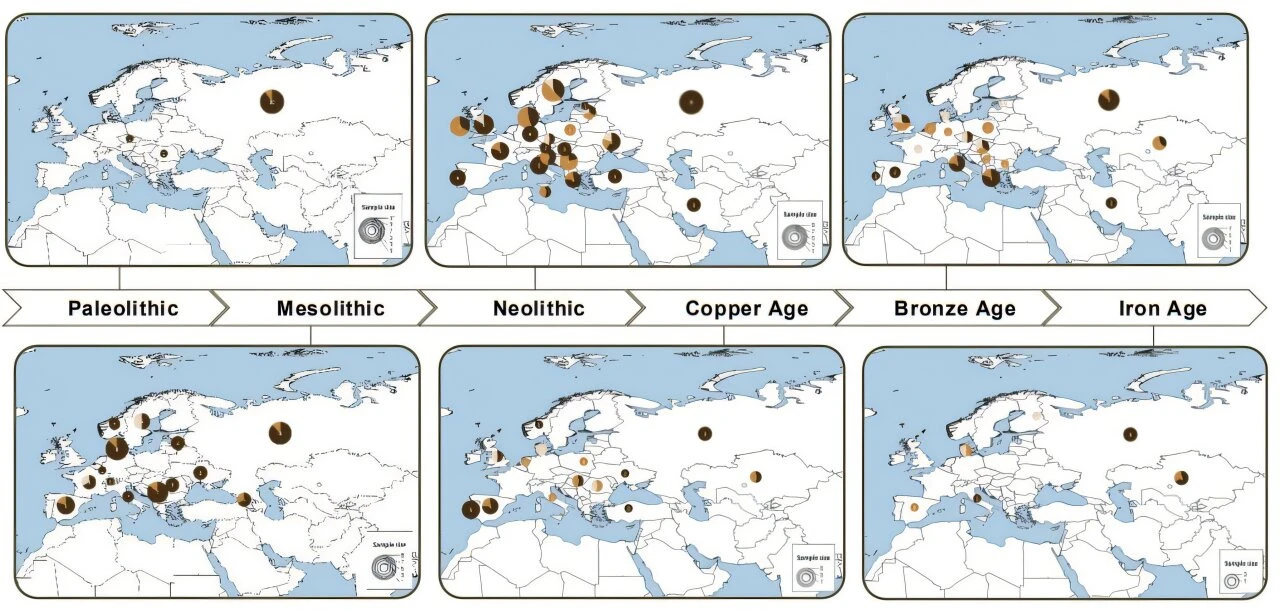
A study led by researchers at Harvard University reveals that human evolution has accelerated over the past 10,000 years, driven by natural selection on hundreds of gene variants in ancient populations from western Eurasia. Analyzing DNA from 15,836 individuals, the researchers identified 479 variants that showed strong signs of directional selection, particularly following the transition from hunting and gathering to farming. This research, published in Nature, suggests that the genetic adaptations linked to complex traits, such as susceptibility to diseases, have been more significant than previously understood.