Fermilab Develops AI Tools for Particle Accelerators
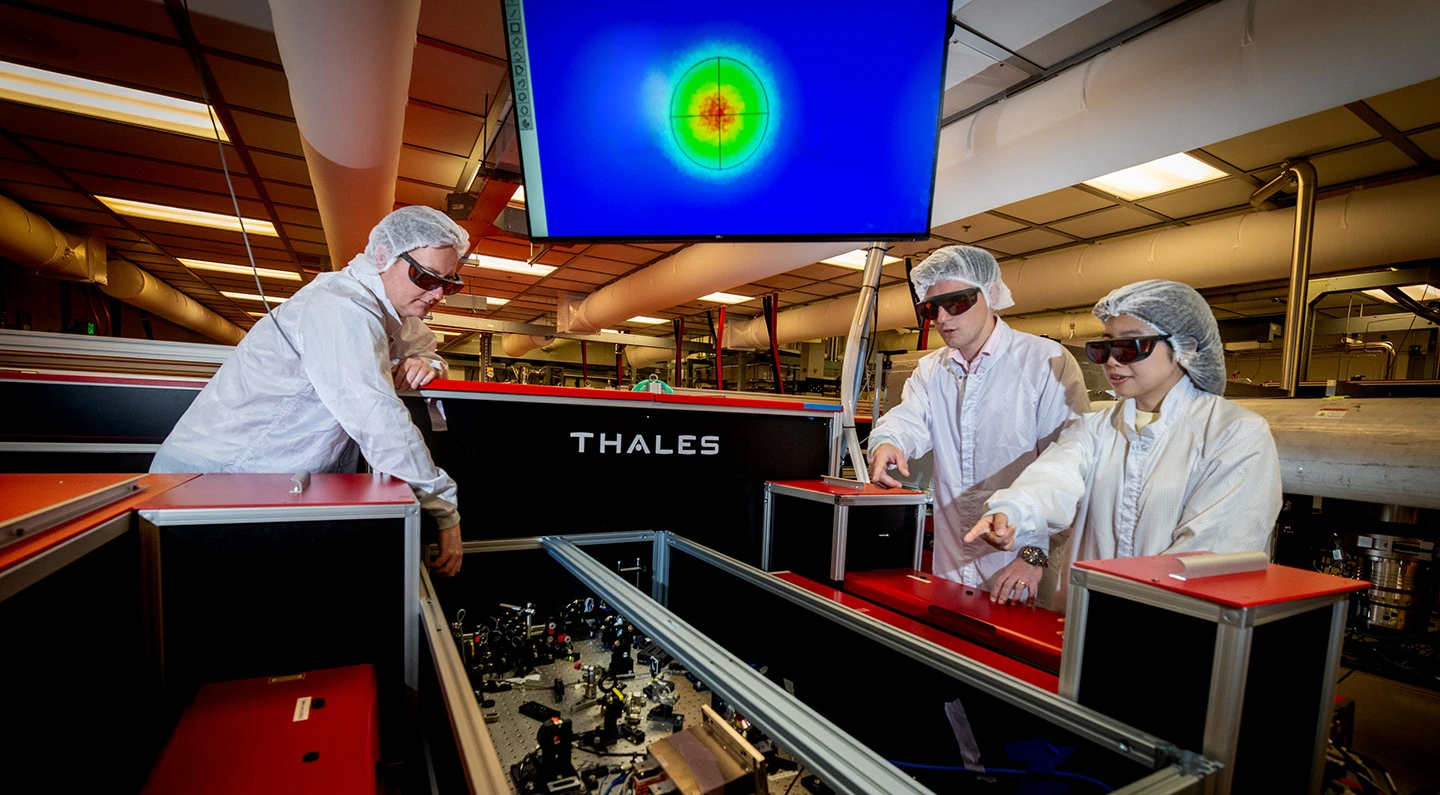
Fermilab, in collaboration with six other national laboratories, has announced the development of AI tools aimed at enhancing the efficiency and innovation of particle accelerators as part of the Department of Energy's Genesis Mission. This initiative coincides with the ICARUS experiment, which has achieved a significant milestone by producing its first neutrino science results, contributing to the understanding of a newly identified 'neutrino force' that reconciles atomic physics measurements with standard model predictions.
Tirzepatide leads in weight loss but risks muscle loss
A study published this week indicates that Eli Lilly's GLP-1 drug tirzepatide, marketed as Zepbound and Mounjaro, results in greater weight loss compared to Novo Nordisk's semaglutide, sold as Wegovy and Ozempic, but at a higher cost to lean body mass. The analysis of approximately 1,800 patients on tirzepatide and 6,200 on semaglutide found that those on tirzepatide lost an average of 1.1% more lean body mass after three months and 2% more after 12 months. Researchers emphasize the importance of exercise during treatment with both drugs to mitigate muscle loss.
Pulsar Helium Advances Topaz Project Amid Rising Demand
Pulsar Helium (PSRHF) is advancing its Topaz Project in Minnesota, which boasts helium-4 concentrations of up to 14.5% and helium-3 levels between 11.2 and 11.9 parts per billion, amid growing demand from quantum computing and other advanced technologies. The company, incorporated in 2022 and headquartered in Portugal, faces challenges including significant dilution risk and a looming debt maturity wall in late 2026, but could potentially generate substantial revenue by 2028–2029 if operational milestones are achieved.
New Measurement of Gravitational Constant Fails to Resolve Discrepancies
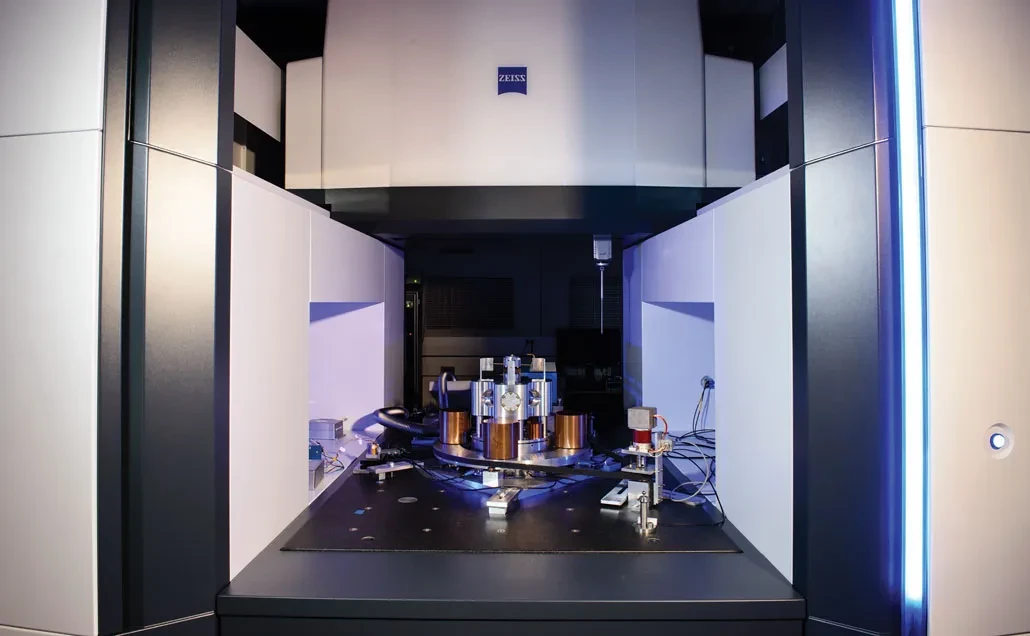
Stephan Schlamminger, a physicist at the National Institute of Standards and Technology (NIST), has unveiled the results of a decade-long effort to measure the universal gravitational constant, known as 'big G.' Despite this extensive research, the new value does not resolve ongoing discrepancies in previous measurements, which have varied by about one part in 10,000, leaving the scientific community questioning whether these differences stem from experimental errors or a fundamental misunderstanding of gravity.