Pfizer and Valneva Advance Lyme Disease Vaccine Trials
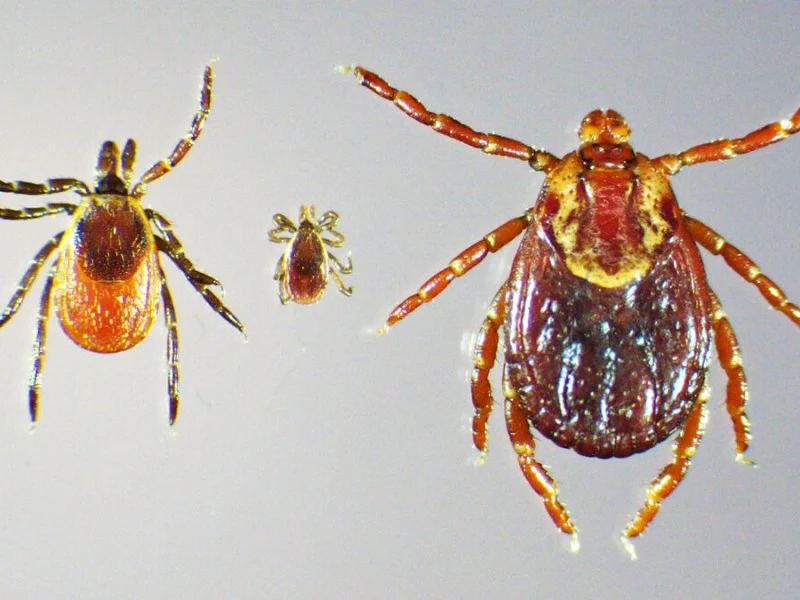
Pfizer and Valneva have reported promising results from a large Phase 3 trial of their Lyme disease vaccine candidate, marking the furthest progress for a Lyme vaccine since the last one was withdrawn in 2002. With hundreds of Lyme disease cases already reported in Maine this year following a record number of infections in 2025, researchers emphasize that while a vaccine could provide additional protection, it should complement existing prevention methods such as repellents and tick checks. Dr. Maria Gomes-Solecki from the University of Tennessee Health Science Center is also exploring alternative strategies, including an mRNA-based vaccine and a method that targets ticks through vaccinated mice.
EU Urged to Prioritize Early Detection of Cardiovascular Disease
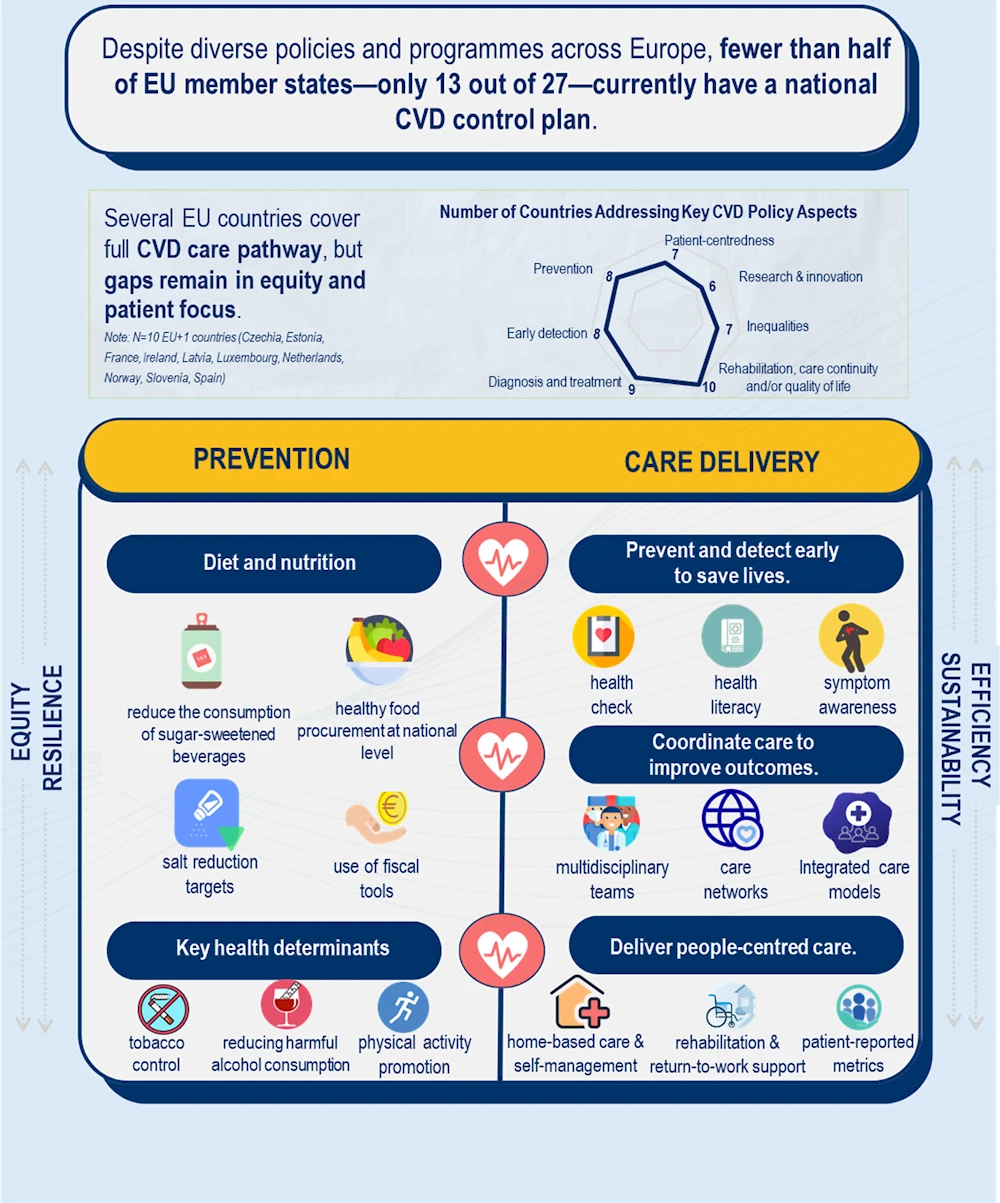
The European Union is urged to shift its health policy from late-stage treatment to early detection and prevention of cardiovascular disease (CVD) to alleviate the burden on national health systems. The EU's Safe Hearts Plan and a recent European Parliament report emphasize the need for funding and commitments in the upcoming Multiannual Financial Framework to support preventive measures, including vaccination against respiratory infections, which are significant drivers of CVD. Current vaccination rates for influenza and Covid-19 remain low across member states, highlighting the necessity for updated targets and initiatives to enhance cardiovascular health.
Cocaine Exposure Alters Atlantic Salmon Behavior and Dispersal
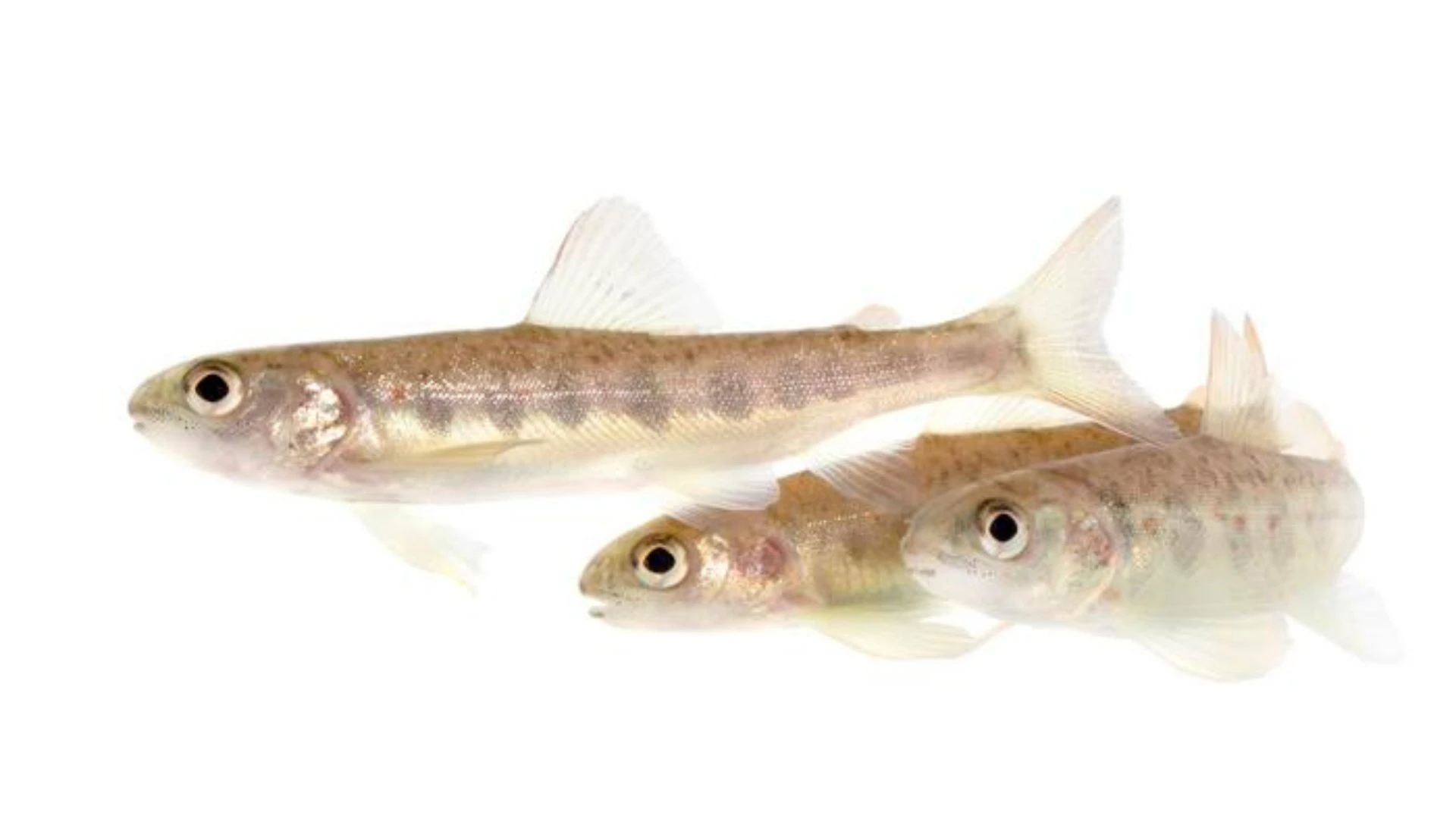
Researchers at the Swedish University of Agricultural Sciences have found that juvenile Atlantic salmon exposed to cocaine and its metabolite, benzoylecgonine, swim significantly farther and disperse more widely than unexposed fish. In a study published in Current Biology, salmon receiving benzoylecgonine swam up to 1.9 times farther, averaging nearly 14 kilometers more per week, and dispersed 60% farther from their release site. The findings raise concerns about the potential ecological impacts of drug pollution on fish behavior and survival.