New Organelle Discovered in Cattle Gut Microbes
Researchers have identified a new organelle called a hydrogenobody in gut microbes of cattle, which may significantly influence methane production from these animals. The study, published in Science, reveals that hydrogenobodies in rumen ciliates produce hydrogen, stimulating other microbes to generate methane, a potent greenhouse gas. Cattle are responsible for approximately 30% of methane emissions from agriculture, with a single bovine capable of emitting up to 220 pounds of methane annually.
Danish study links semaglutide to reduced alcohol cravings
A Danish study led by researchers from the Mental Health Centre Copenhagen and Frederiksberg Hospital found that weekly injections of semaglutide, marketed as Wegovy for weight loss, significantly reduced alcohol cravings and heavy drinking among 108 obese patients with alcohol use disorder. Participants receiving 2.4mg of semaglutide over 26 weeks reported an average of five heavy drinking days in the past month, down from 17 at the trial's start, compared to nine days for those on a placebo. Overall alcohol consumption decreased from approximately 2,200g to 650g for the semaglutide group, while the placebo group saw a reduction to 1,175g.
Columbia and Harvard team reduces amino acids to 19
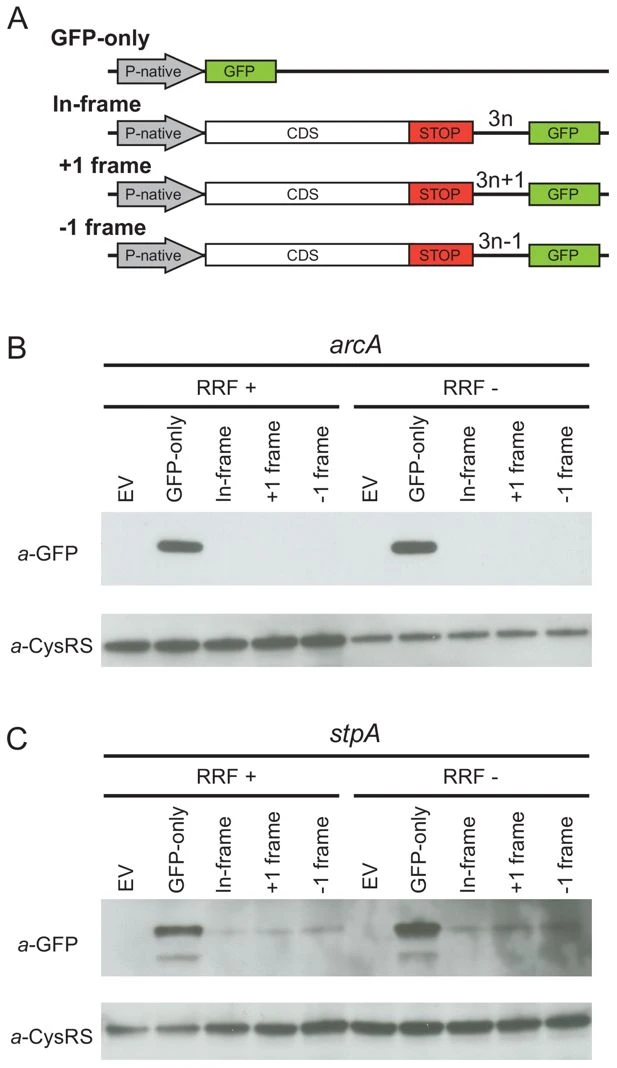
A team from Columbia and Harvard has successfully modified the genetic code by engineering a portion of the ribosome to function without isoleucine, reducing the total number of required amino acids from 20 to 19. Utilizing AI tools, the researchers conducted experiments on E. coli, replacing isoleucine in 36 essential genes, with 17 genes showing tolerance to the absence of this amino acid, although growth rates were often slower compared to unedited cells.
AI Model Surpasses Doctors in Diagnosing Medical Conditions
A new study published in Science indicates that OpenAI's o1-preview model outperformed human doctors in diagnosing medical conditions, achieving nearly 80% accuracy in identifying correct diagnoses from complex cases, including real-world data from 76 emergency room patients in Boston. While 1 in 5 doctors and nurses globally used AI for second opinions in 2025, experts emphasize the necessity of human oversight in medical decision-making, arguing that AI should assist rather than replace clinicians.