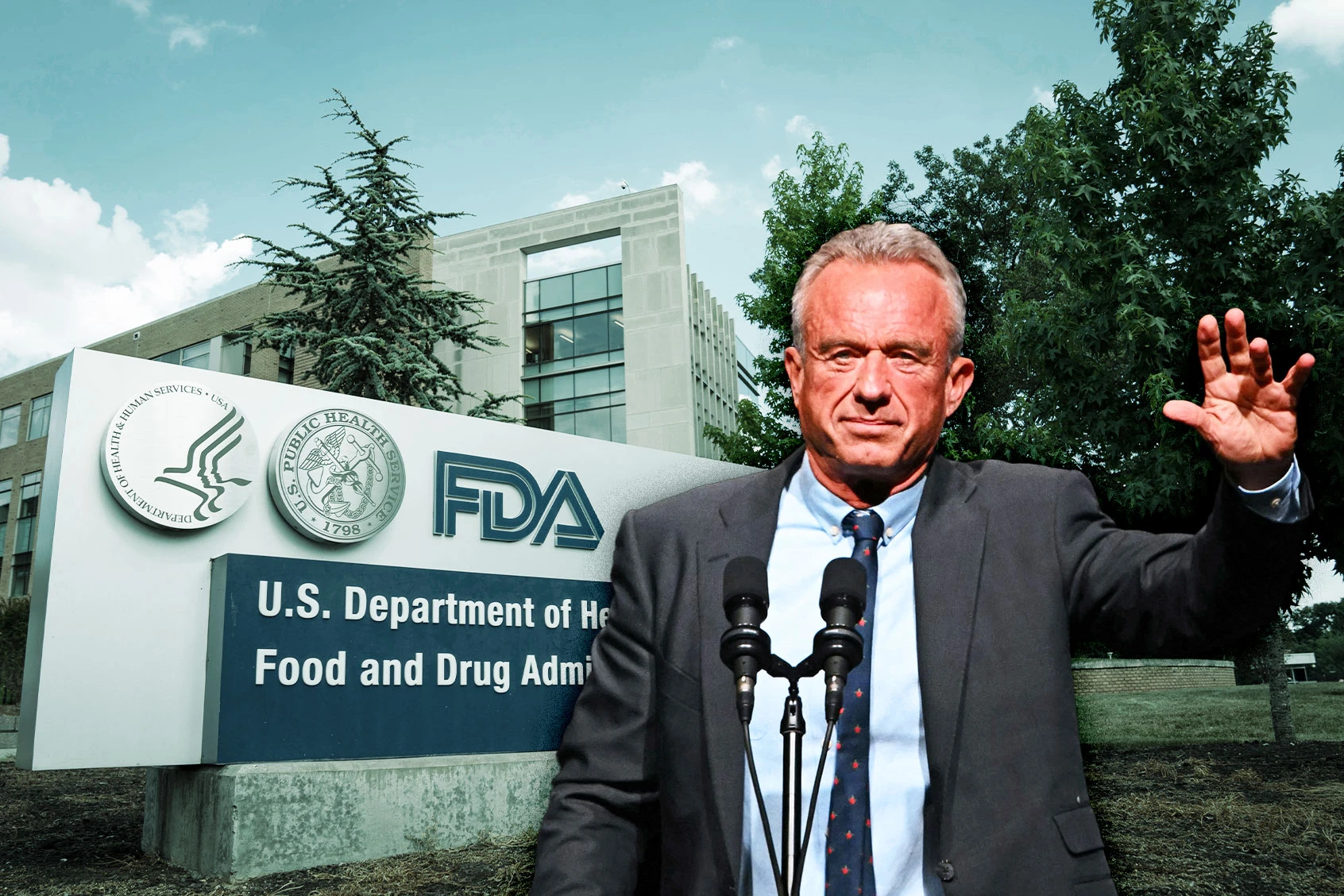
FDA Grants Early Access to Daraxonrasib for Pancreatic Cancer
The U.S. Food and Drug Administration has authorized early access to Revolution Medicines' experimental pancreatic cancer drug, daraxonrasib, for patients with previously treated metastatic pancreatic ductal adenocarcinoma. The FDA issued a "safe to proceed" letter on April 30, just two days after receiving the request from Revolution, reflecting its commitment to facilitating access to therapies for serious conditions. Daraxonrasib, a RAS inhibitor, is part of an expanded access treatment protocol that allows eligible patients to receive the drug before its official approval.
Atlas V and Ariane 6 Launch 61 Satellites for Amazon
United Launch Alliance's Atlas V rocket successfully launched 29 satellites into low-Earth orbit for Amazon Leo on April 27, while Europe's Ariane 6 rocket deployed 32 satellites for the same broadband network on May 1. These launches contribute to Amazon's goal of establishing a constellation of 3,200 satellites, although only 239 are currently in orbit. The Ariane 6 mission marked its second flight with four boosters, enhancing its competitiveness against SpaceX's Starlink, which has over 10,000 satellites in space.
New Tool Reveals Latitude Changes Over 320 Million Years
A team of Earth scientists led by Douwe van Hinsbergen, a professor at Utrecht University, has launched an online tool called Paleolatitude, allowing users to explore latitude changes of any location over the past 320 million years. This tool, developed over a decade, is based on the Utrecht Paleogeography Model and reveals how the North American continent was once connected to Africa, South America, and Europe as part of the supercontinent Pangaea. The model aids researchers in tracing the movements of rocks and has applications in studying ancient climates and biodiversity.
FDA Considers Expanding Access to Peptides in Supplements
The U.S. Food and Drug Administration (FDA) is considering expanding access to peptides, potentially allowing their inclusion in dietary supplements, despite warnings from experts about their unproven health benefits. Health and Human Services Secretary Robert F. Kennedy Jr. is advocating for this shift, which includes a July advisory committee meeting to discuss authorizing compounding pharmacies to produce certain injectable peptides, previously halted due to safety concerns. The FDA's approach signals a move towards less stringent oversight, raising concerns about consumer safety in an increasingly unregulated market.