Fiber Optic Cables Can Eavesdrop on Conversations
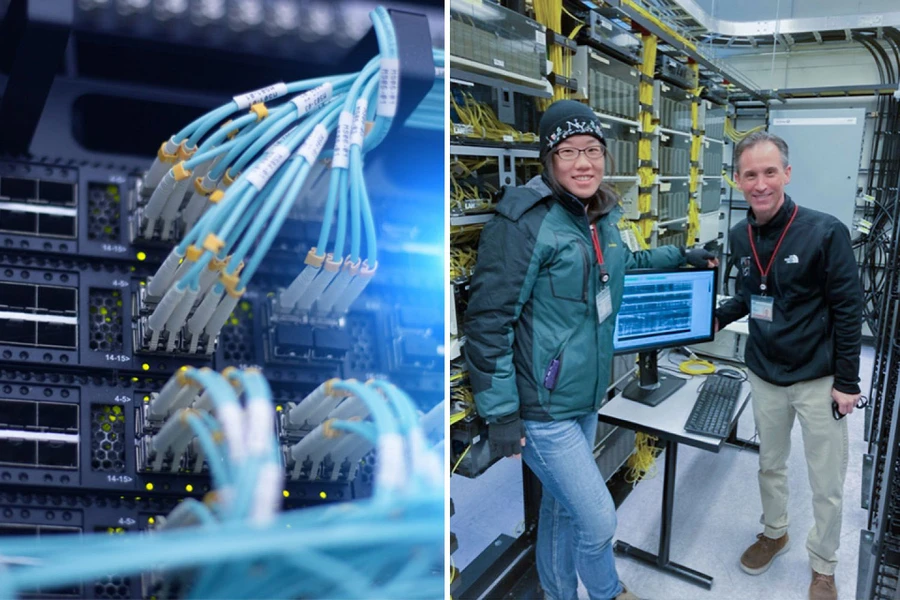
Researchers, including Jack Lee Smith from the University of Edinburgh, have revealed that fiber optic cables, typically used for earthquake detection, can also capture faint vibrations from nearby conversations, raising privacy concerns. Utilizing a technique called distributed acoustic sensing (DAS), the team demonstrated that human speech could be detected and transcribed in real-time using AI software, although this method is effective only under specific conditions, such as coiled cables exposed at the surface and within a distance of 5 meters from the speaker. The findings highlight potential security implications, particularly regarding the monitoring of sensitive communications.
Delft Researchers Develop Movable Qubits with Quantum Dots
Researchers at Delft University of Technology and the startup QuTech have developed a method for manufacturing movable qubits using quantum dots, which can host a qubit as a single electron's spin. Their study demonstrates that these spin qubits can be shifted between quantum dots without losing quantum information, potentially allowing for greater flexibility in error correction schemes compared to traditional electronic devices that are fixed in configuration during manufacturing.
Climate Change Extends Pollen Seasons in Northern Hemisphere
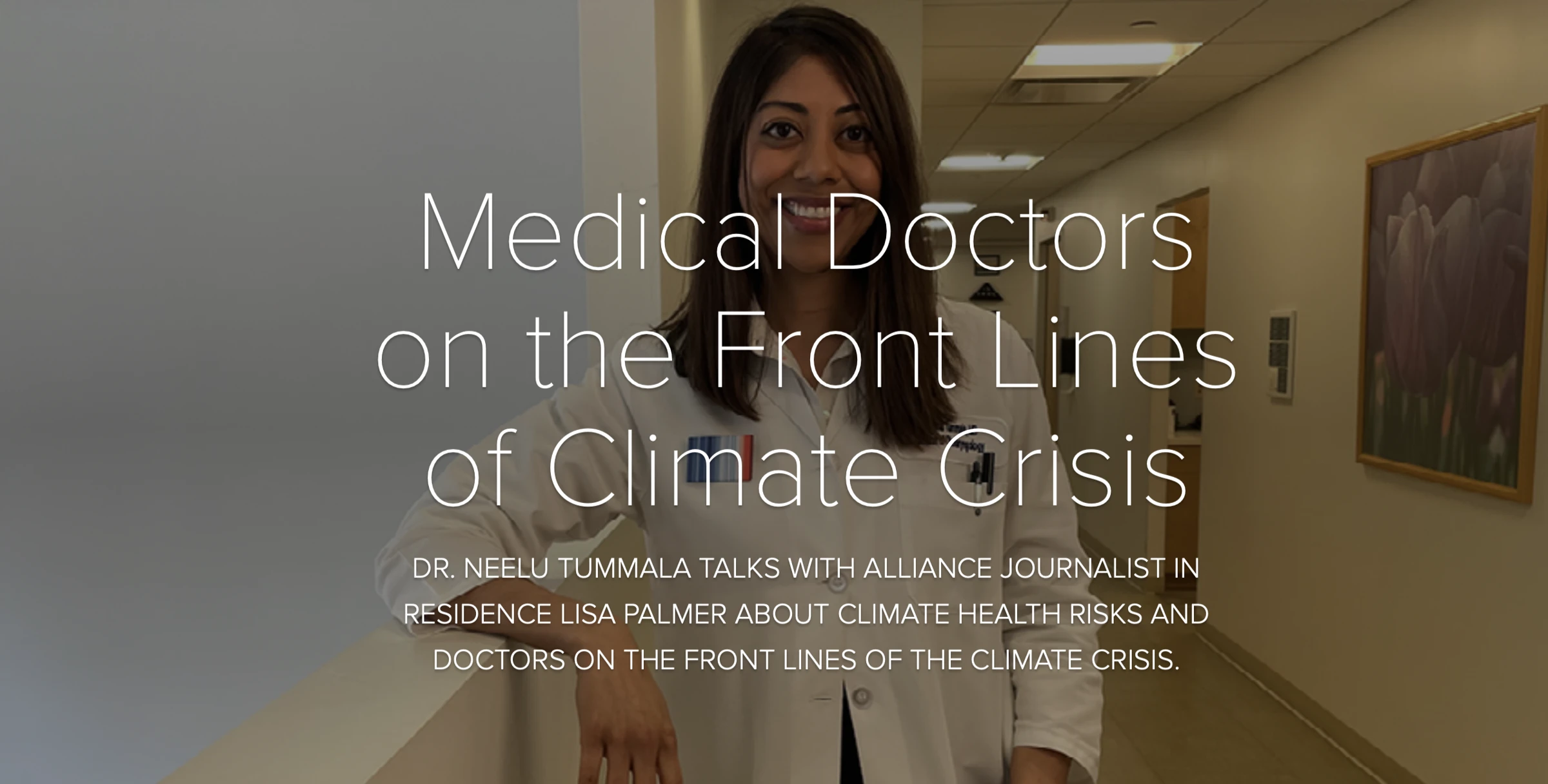
Climate change is leading to longer and more severe pollen seasons across the Northern Hemisphere, according to Dr. Neelima Tummala of NYU Langone Health. Approximately 25% of U.S. adults and 20% of children suffer from seasonal allergies, with rising temperatures and carbon dioxide levels exacerbating symptoms. This year, meteorologists predict high tree pollen levels in the Ohio River Valley and parts of the Pacific Northwest, while the Northern Plains and Great Lakes may experience early grass pollen spikes, reflecting a broader trend of increasing pollen counts linked to climate change.
NASA tests supersonic rotor blades for Mars helicopters
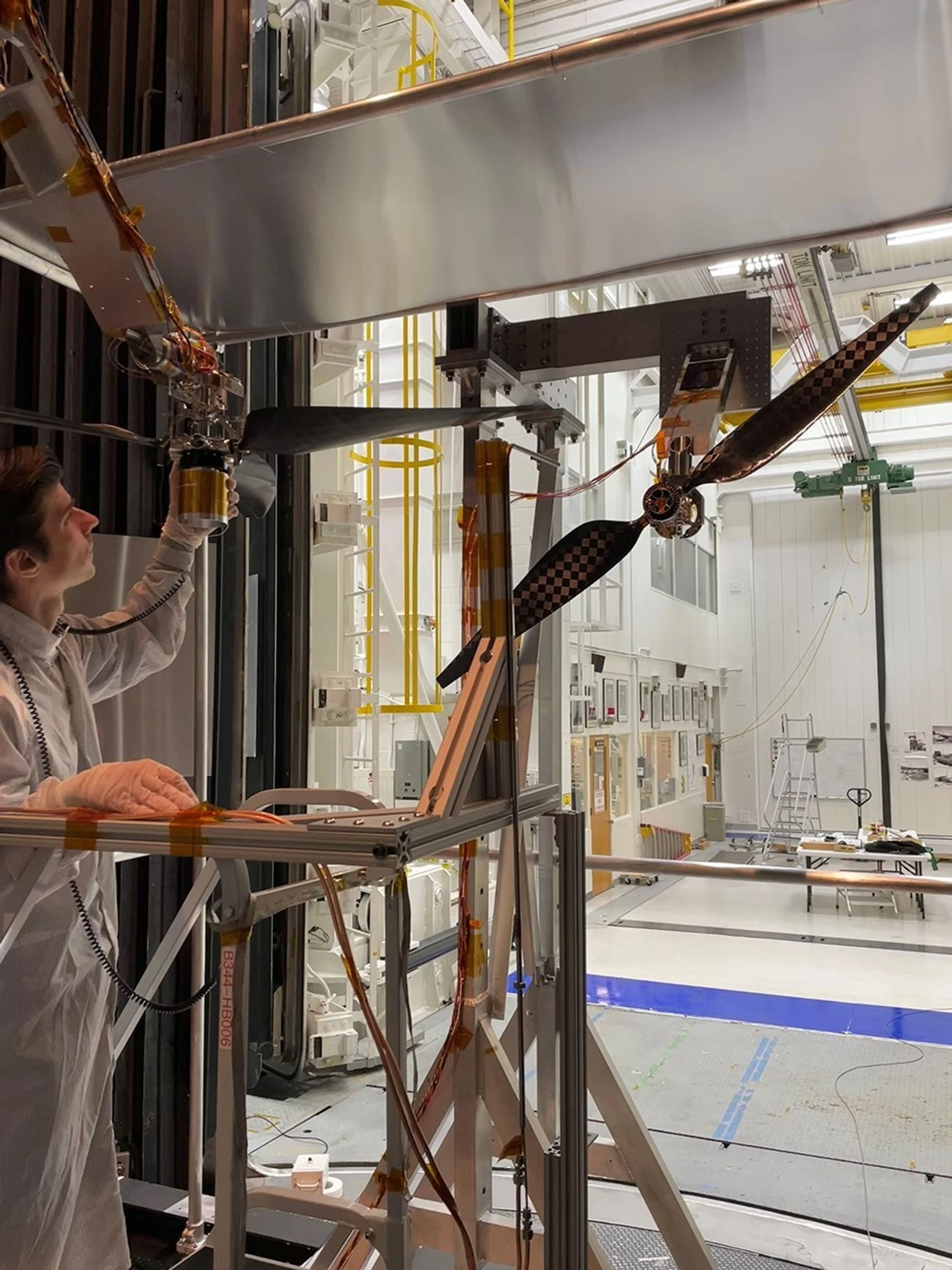
Engineers at NASA's Jet Propulsion Laboratory have successfully tested rotor blades for next-generation Mars helicopters, demonstrating their ability to exceed the speed of sound at Mach 1.08 during controlled experiments. This breakthrough, part of the SkyFall project, allows for the design of larger, more capable rotorcraft that can carry heavier payloads in Mars' thin atmosphere, which is only 1% as dense as Earth's. The tests, conducted in a chamber simulating Martian conditions, involved 137 runs and revealed a 30% increase in lift capability, paving the way for future missions to explore the Red Planet.
Physicist Revisits Penrose's Black Hole Thermodynamics Study
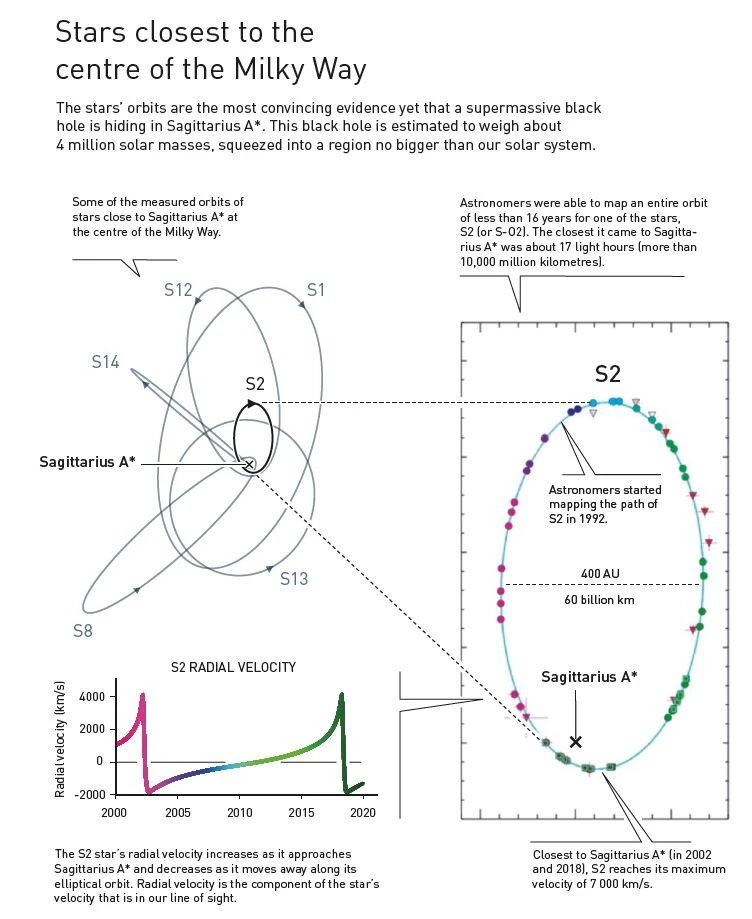
Carla Rodrigues Almeida, a physicist at the University of São Paulo, has published a study in EPJ H that revisits Roger Penrose's 1969 discovery linking thermodynamics and black holes, particularly focusing on his concept of the 'ergosphere.' Almeida's analysis explores the historical context and collaborative efforts between Western and Soviet physicists that led to the understanding of Hawking radiation, ultimately demonstrating that black holes can adhere to the laws of thermodynamics.