Audit reveals surge in fabricated citations in research
An audit of 2.5 million biomedical science papers conducted by Maxim Topaz, PhD, MA, RN, of Columbia University, revealed a significant rise in fabricated citations, with the rate increasing from one in 2,828 papers in 2023 to one in 277 papers in early 2026. The study identified 4,046 fabricated references across 2,810 papers, highlighting a more than 12-fold increase in fabrication rates from 4.0 per 10,000 papers in 2023 to 56.9 per 10,000 papers in early 2026, likely linked to the growing use of artificial intelligence tools in academic writing.
Antarctic ice core reveals carbon dioxide fluctuations
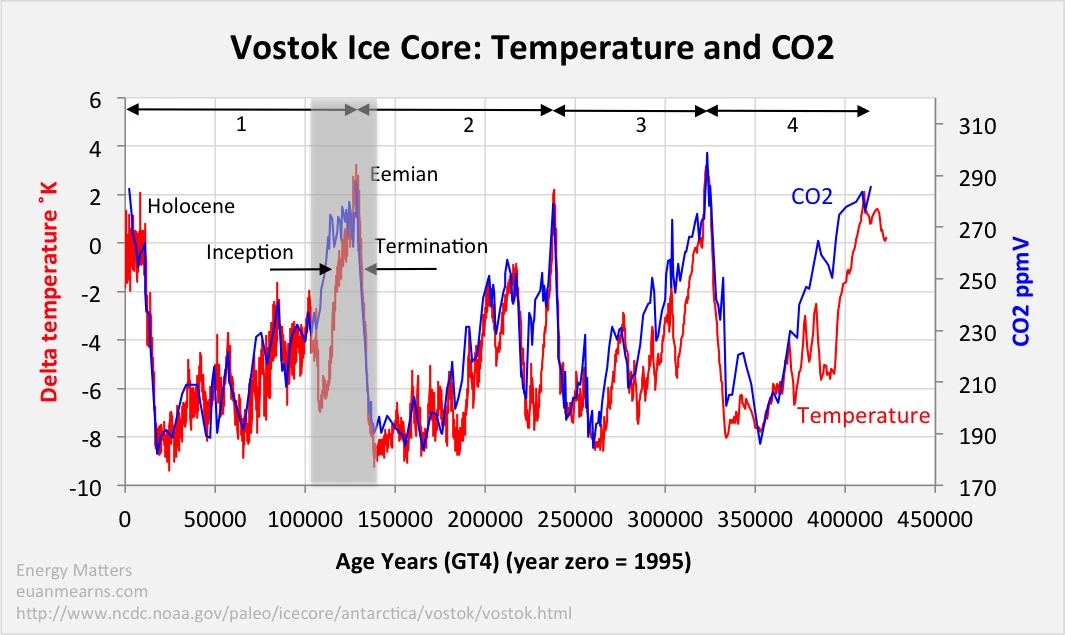
Researchers from the European project Beyond EPICA have drilled a 1.2 million-year-old Antarctic ice core, revealing significant fluctuations in carbon dioxide levels that may explain the transition from 40,000-year to 100,000-year ice age cycles. The core, presented at the European Geosciences Union assembly, shows a spike of 50 parts per million in carbon dioxide about 950,000 years ago, coinciding with the onset of the first true 100,000-year cycle. This continuous record enhances understanding of the Mid-Pleistocene Transition, a critical period in Earth's climatic history.
Quantum Device Maps Earth's Magnetic Field from Space
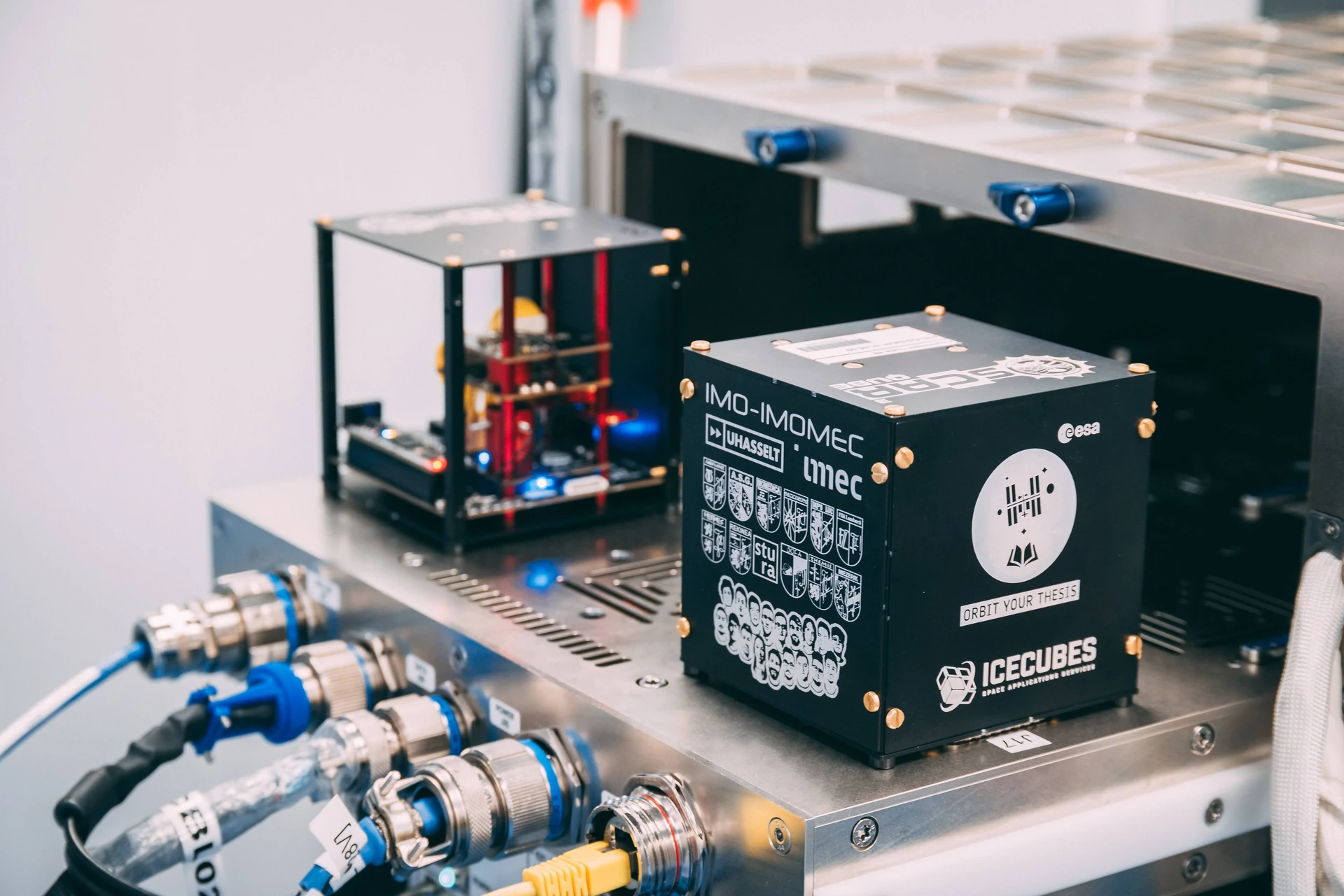
A grapefruit-sized quantum device, the OSCAR-QUBE, successfully mapped Earth's magnetic field from the International Space Station, demonstrating the capabilities of diamond-based quantum magnetometers. Weighing 420 grams and consuming 5 watts of power, the device achieved high-resolution magnetic-field mapping with enhanced sensitivity, addressing limitations of traditional magnetometers. This advancement paves the way for future compact quantum sensors in scientific and commercial space applications.
Psilocybin Shows Promise in Treating Cocaine Addiction
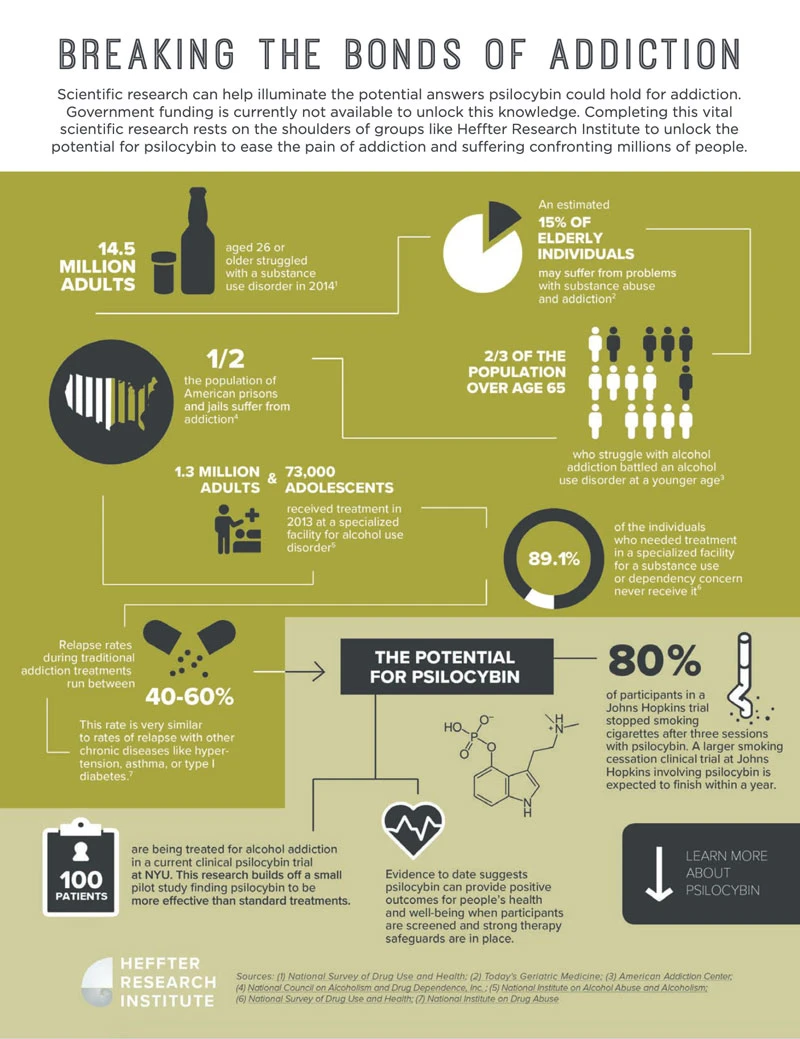
A study conducted by the University of Alabama at Birmingham has found that a single dose of psilocybin, the active compound in magic mushrooms, significantly aids in treating cocaine addiction. In a trial involving 40 participants, 30% of those who received psilocybin were completely abstinent from cocaine 180 days post-treatment, compared to none in the placebo group. Notably, over 80% of participants were Black, and 65% earned less than $20,000 annually, highlighting the study's focus on underrepresented demographics in addiction research.