Turkana Rift Zone shows significant crust thinning
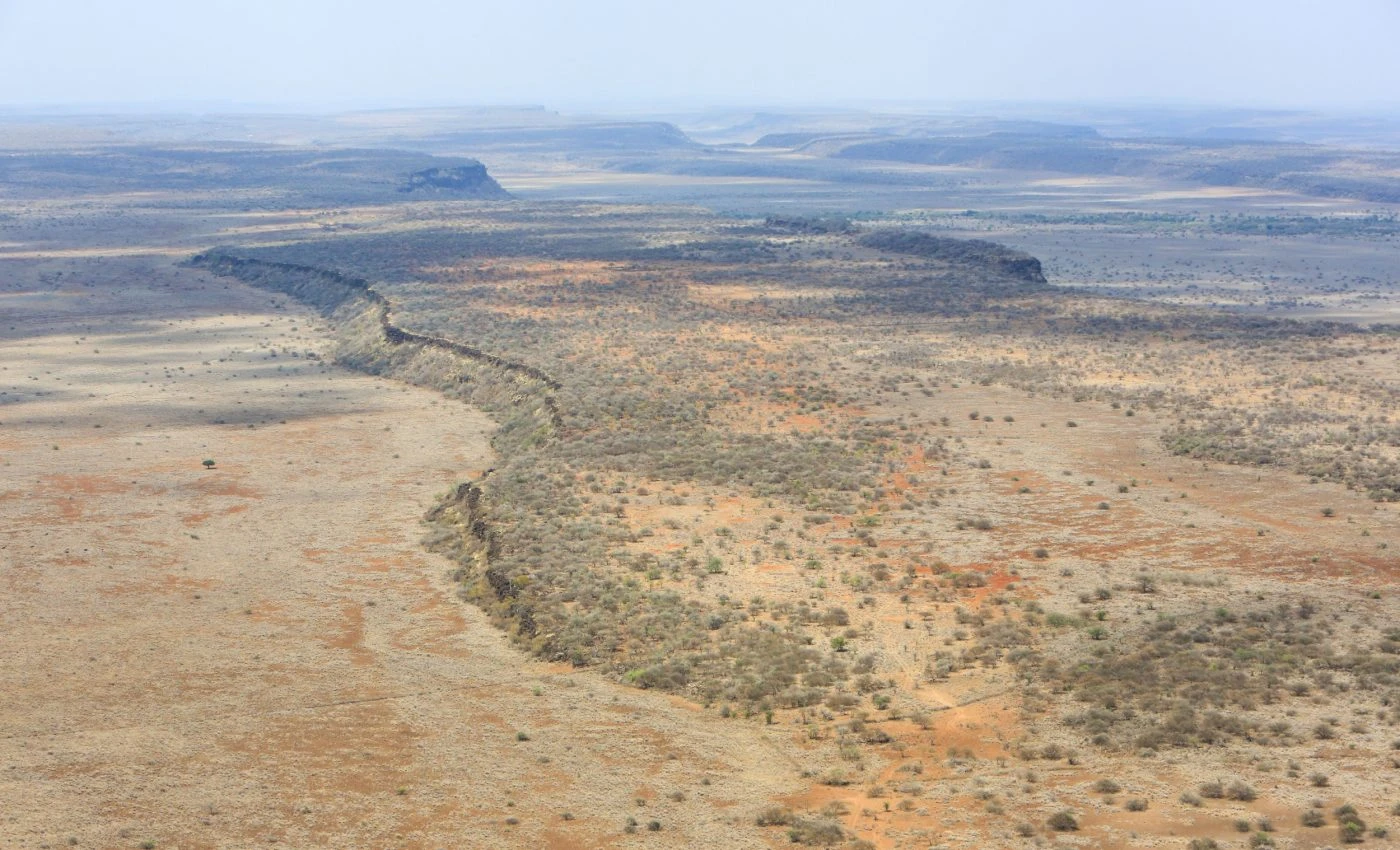
Researchers have reported that the crust beneath the Turkana Rift Zone in Kenya and Ethiopia is thinning significantly, indicating a critical transition towards the breakup of the African continent. The study, led by Christian Rowan from Columbia University's Lamont-Doherty Earth Observatory, found that the crust in the rift is as thin as 13 kilometers, compared to typical thicknesses of around 30 kilometers, suggesting that the region is advancing rapidly in the rifting process. This geological activity, characterized by a phenomenon known as 'necking,' could eventually lead to oceanization, where new oceanic crust forms as the rift continues to evolve.
Astronomers Discover Ultra-Faint Galaxy from Early Universe
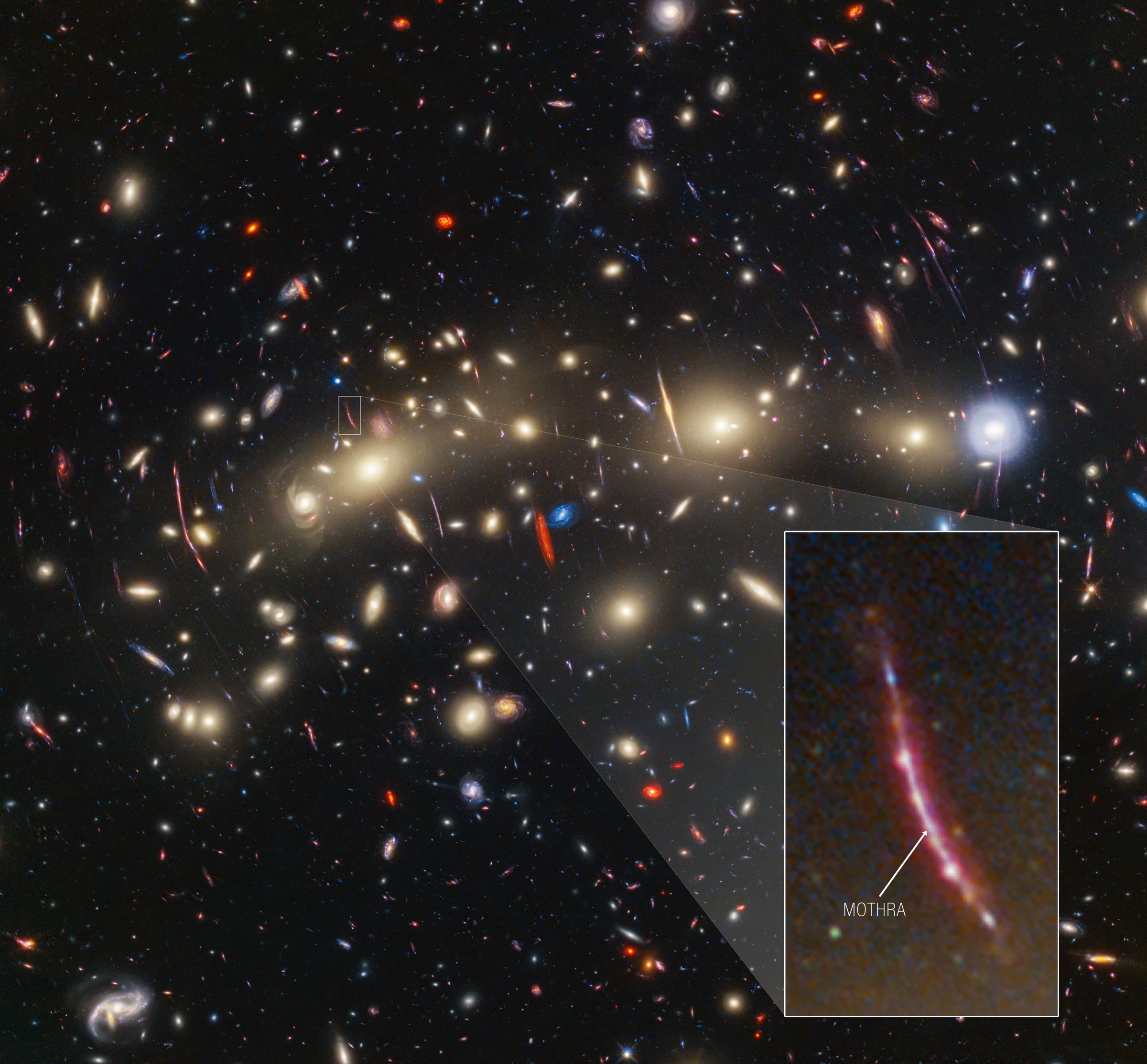
Astronomers using the James Webb Space Telescope have identified LAP1-B, an ultra-faint galaxy located 13 billion light-years away, which formed just 800 million years after the Big Bang. This galaxy, magnified by the gravitational lensing effect of the MACS J046 galaxy cluster, exhibits a remarkably low oxygen abundance, measured at only 0.4% of the solar value, and is characterized as the most chemically primitive star-forming galaxy observed to date. The findings suggest that LAP1-B's early stellar population likely includes some of the universe's first-generation stars, providing insights into the conditions of the early universe.
Fluffy Ice on Europa and Enceladus Risks Spacecraft Landings
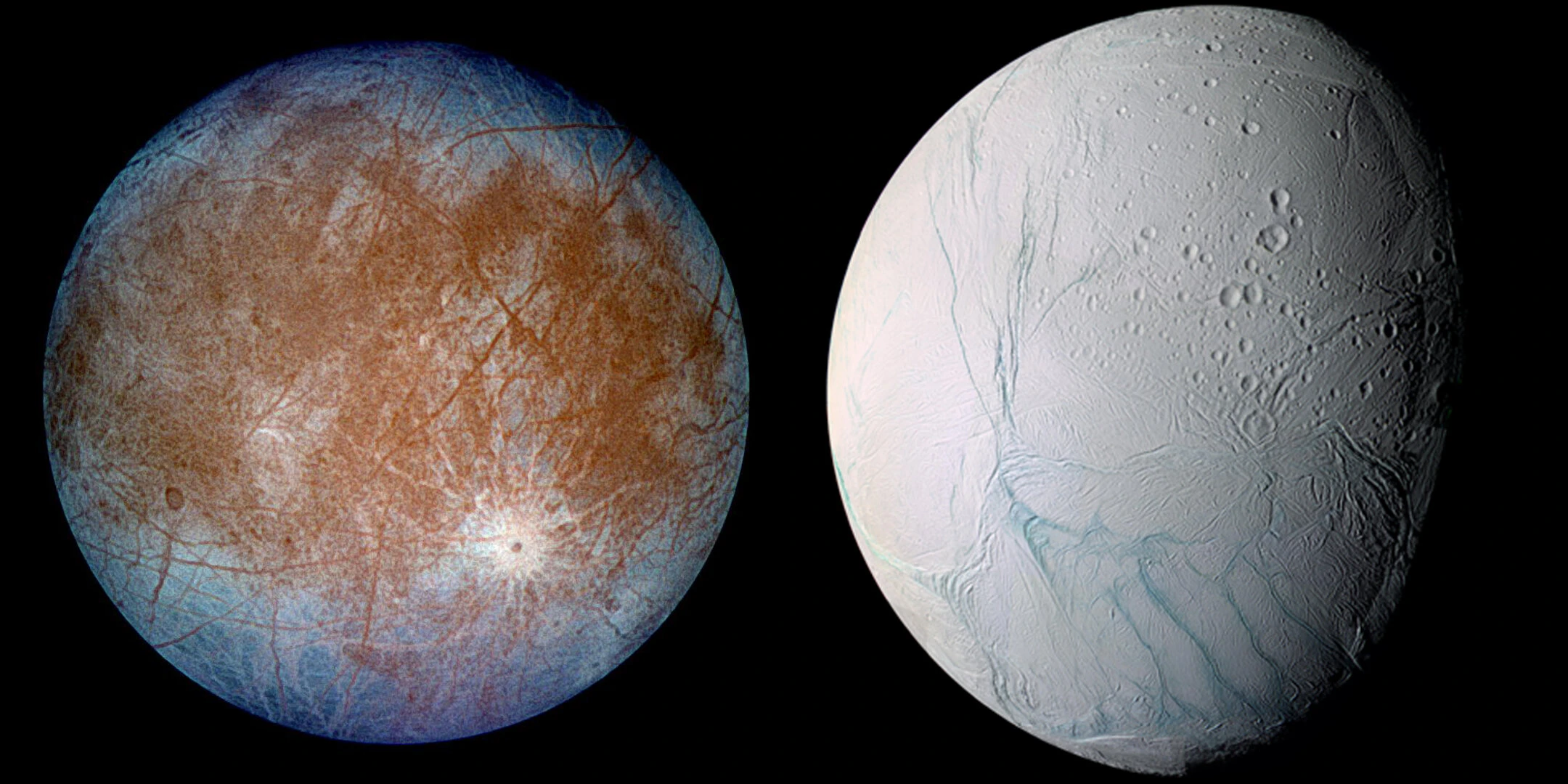
Researchers have concluded that fluffy ice formed from water eruptions on the ocean moons Europa and Enceladus could pose significant risks to spacecraft landings. A vacuum chamber experiment presented at the European Geosciences Union General Assembly demonstrated that water freezes into brittle, layered sheets up to 20 centimeters thick, which could translate to several meters on Europa and as much as 20 meters on Enceladus. This type of highly porous ice could lead to engineering challenges for future lander missions, necessitating a reevaluation of landing mechanisms.
Ancient Homo erectus proteins reveal human evolutionary links
A team of researchers led by paleogeneticist Qiaomei Fu from the Chinese Academy of Sciences has identified proteins from six 400,000-year-old Homo erectus teeth found in China, marking the first informative molecular data recovered from this ancient species. The study, published in Nature, reveals that one protein variant, AMBN-M273V, is shared with Denisovans and modern humans, suggesting a genetic link that contributes to the understanding of human evolutionary history and interbreeding among ancient hominins.