Uterus Transplant Success: 27 Live Births Reported
Uterus transplant surgeon Liza Johannesson, part of the team that conducted the first successful uterus transplant in Sweden, reported on the outcomes of 44 women who underwent the procedure at Baylor University Medical Center from 2016 to 2026. As of April 2026, 31 of these women became pregnant, resulting in 27 live births, with 23 delivering one child and four having two children each. All newborns scored at least 7 out of 10 on the Apgar scale, although 11 required neonatal intensive care due to premature birth.
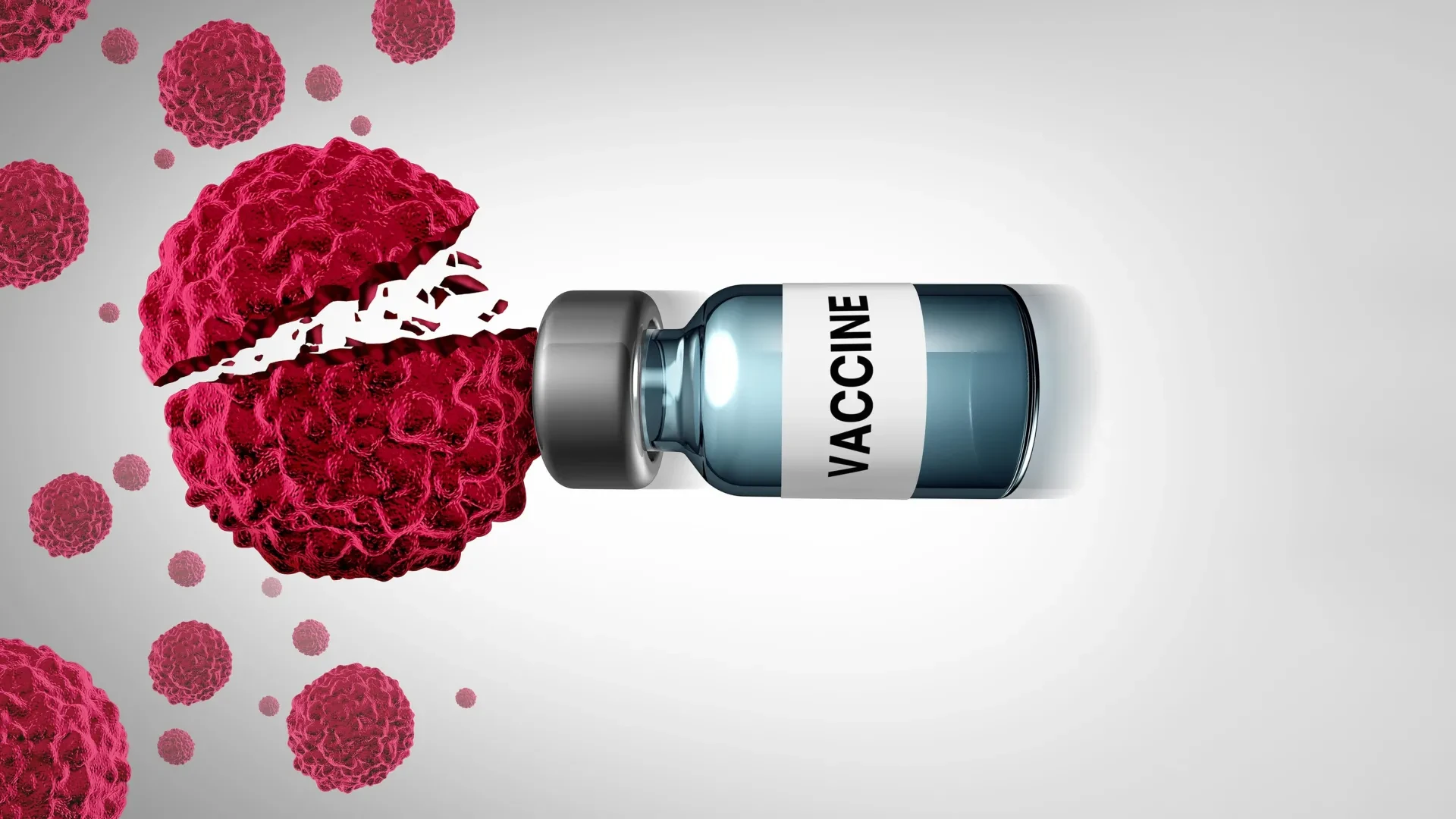
Bulgarian study links mRNA vaccines to improved cancer survival
A large-scale Bulgarian study has found that cancer patients who received mRNA COVID-19 vaccines have significantly higher long-term survival rates compared to unvaccinated individuals, with a cohort of nearly 1,800 patients tracked over five years. The research, published in the European Journal of Cancer, indicates that vaccinated patients, particularly those undergoing modern immunotherapy, show a notable survival advantage, even after adjusting for age, sex, and cancer type. The next phase of the study will explore the vaccines' effects on other chronic conditions, including diabetes and cardiovascular diseases.
Arts Engagement Linked to Slower Biological Aging
A study by researchers at University College London indicates that engaging in arts activities, such as attending exhibitions or participating in creative endeavors, may slow biological aging, with effects comparable to regular exercise. Analyzing data from 3,556 UK adults, the research found that those who engaged in arts activities at least weekly exhibited a 4% slower aging rate compared to infrequent participants, as measured by changes in DNA. The findings, published in the journal _Innovation in Aging_, suggest that both the frequency and diversity of arts engagement contribute to a younger biological age.