House Panel Advances Chip Security Act to Curb AI Smuggling
A House panel advanced the Chip Security Act, which mandates the Commerce Department to enforce stricter regulations on chipmakers to prevent the smuggling of AI technology to China. This legislation follows the recent indictment of a Super Micro Computer Inc. co-founder for allegedly diverting Nvidia processors to Chinese buyers, reflecting bipartisan concerns in Congress about the potential for China to acquire advanced chips in violation of U.S. export controls.
Google's TurboQuant Sparks Selloff in Memory Chip Stocks
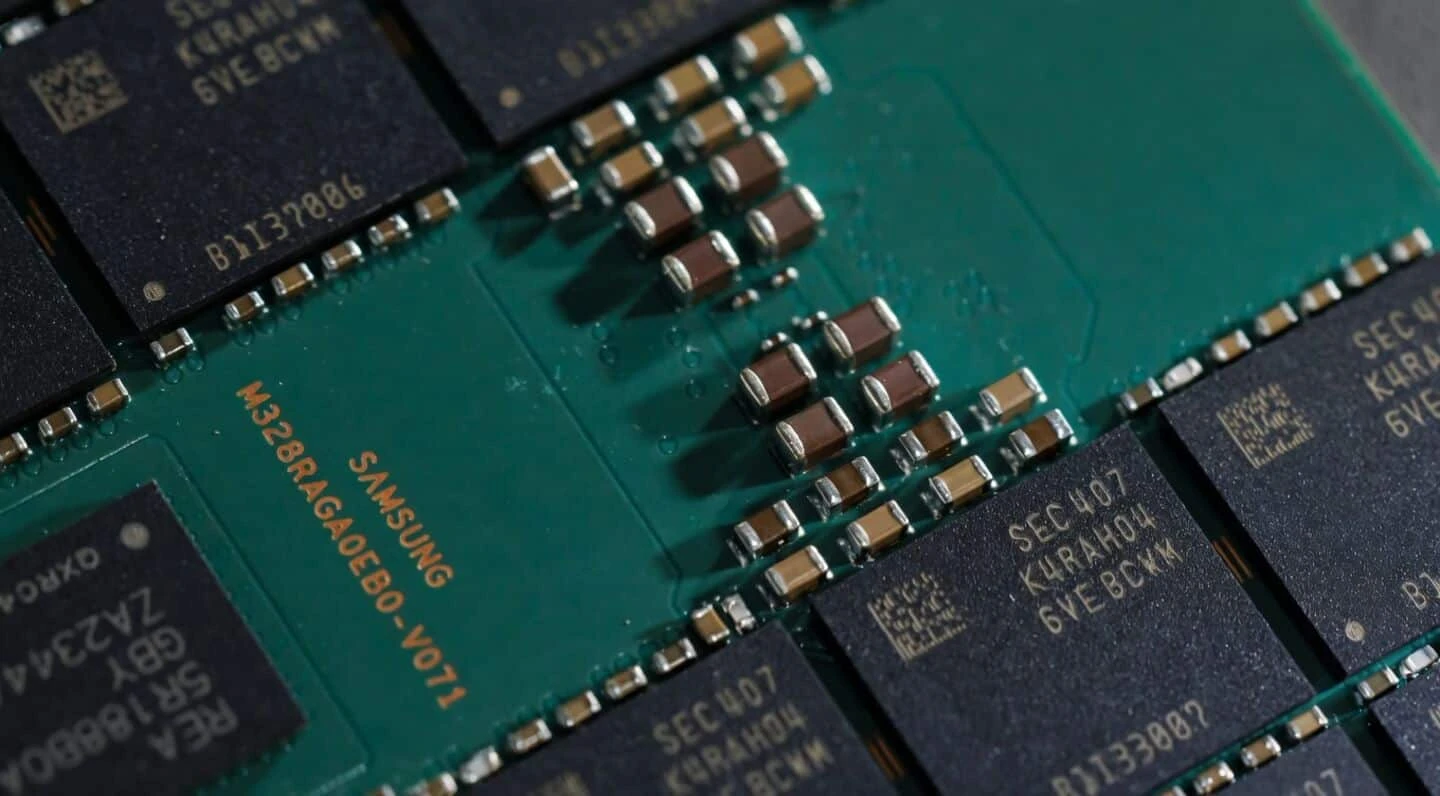
Google's recent announcement of TurboQuant, a new compression method that could reduce memory requirements for large language models by six times, has triggered a significant selloff in memory chip stocks. Shares of South Korea's SK Hynix and Samsung fell 6% and nearly 5%, respectively, while Japanese firm Kioxia dropped nearly 6%. In the U.S., Micron Technology, Western Digital, and Sandisk all saw declines of at least 7%.
US Military Launches Major Offensive Against Iran Using AI
The U.S. military, utilizing the Maven Smart System and the AI model Claude from Anthropic, has launched an extensive offensive against Iran, striking 1,000 targets within the first 24 hours, nearly double the scale of the 2003 Iraq campaign. The initial strikes included a controversial missile attack that resulted in over 165 casualties at an elementary school, attributed to outdated intelligence. The Pentagon is investigating the role of AI in these operations, as the integration of such technologies into military strategy has evolved over decades.
Apple Enforces Age Verification for UK Users
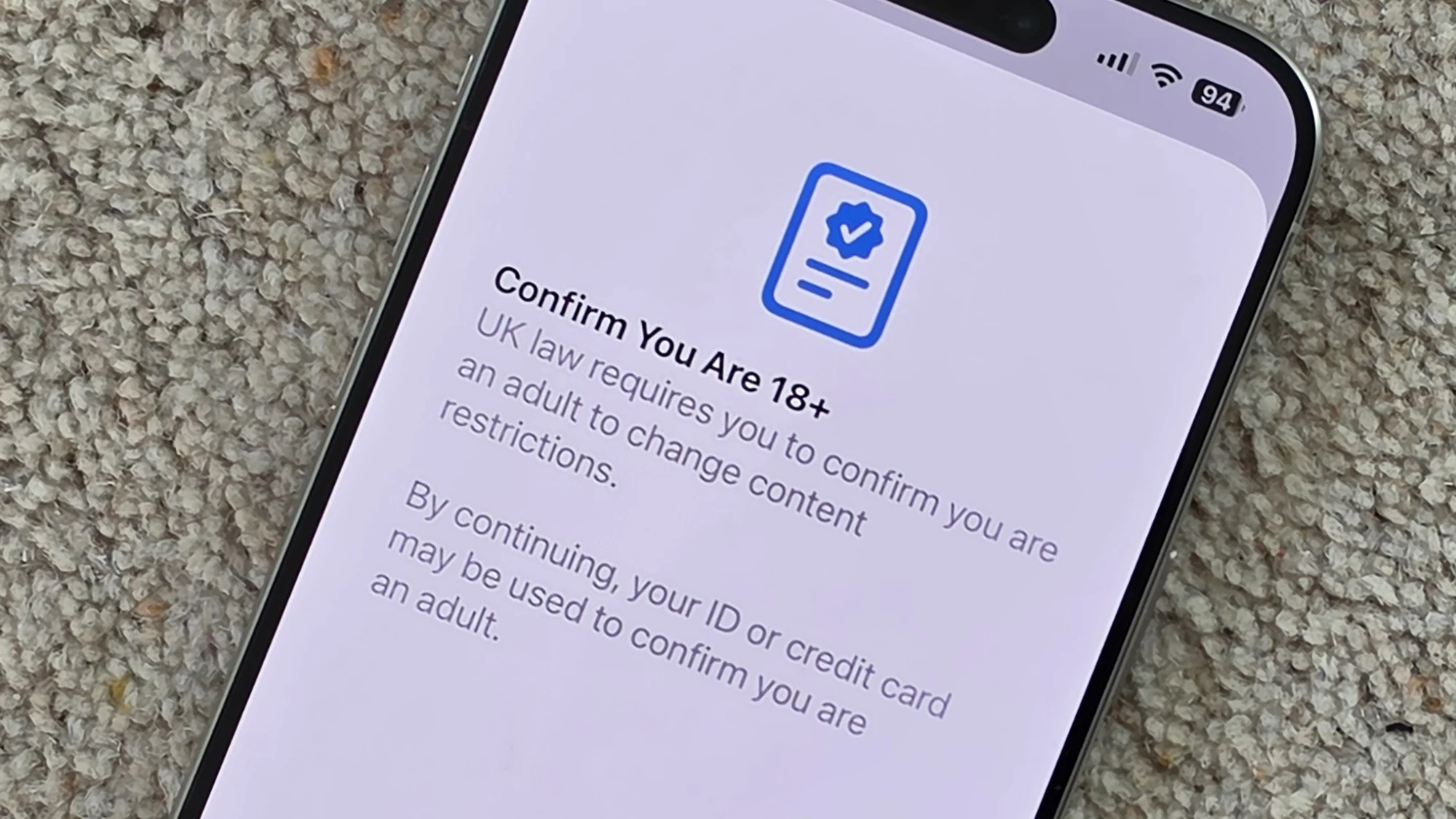
Apple has begun implementing mandatory age verification for iPhone and iPad users in the UK, requiring individuals to confirm they are 18 or older by presenting a credit card or scanning a government-issued ID. This update, part of the iOS 26.4 rollout, restricts access to app downloads, web browsing, and communication features for users who do not complete the verification process. While the move has been praised by Ofcom as a significant step for child safety, it has drawn criticism from privacy advocates concerned about data handling and the implications of such checks.