Russia conducts largest drone strike on Ukraine
Russia launched 948 drones at Ukraine in a 24-hour period, marking the largest aerial attack since the war began, according to Ukraine's Air Force. The strikes resulted in at least eight fatalities and numerous injuries, with significant damage reported to a UNESCO World Heritage site in Lviv and a maternity hospital in Ivano-Frankivsk. Ukrainian President Volodymyr Zelensky stated that the scale of the attacks indicates Russia's lack of intention to end the conflict.
Iran Targets US-UK Base with Ballistic Missiles
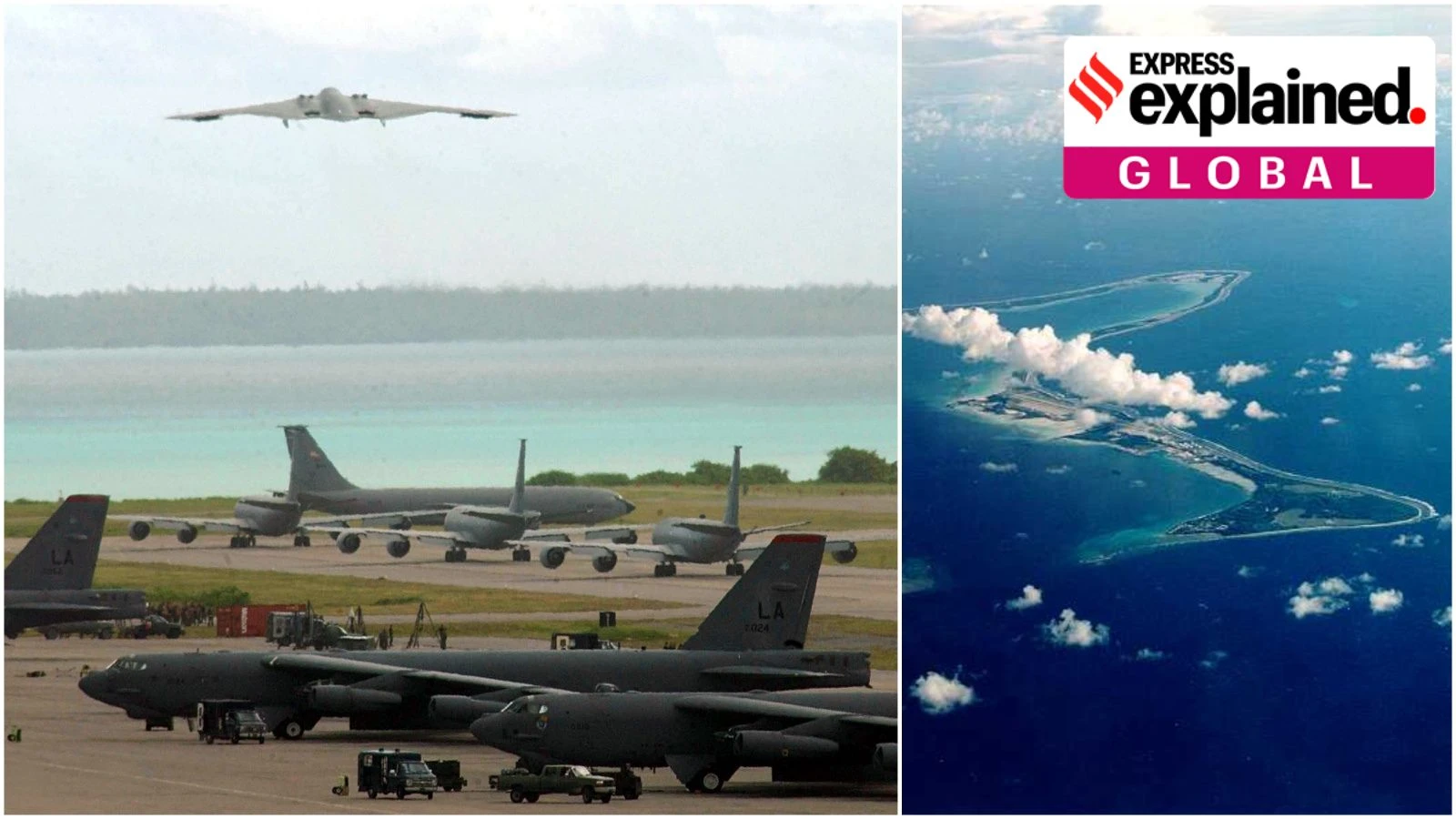
Iran launched two intermediate-range ballistic missiles targeting the US-UK base at Diego Garcia on March 21, marking the regime's furthest missile strike attempt to date. One missile malfunctioned, while the other was intercepted by a US defense system, highlighting Iran's expanding missile capabilities that could threaten parts of Europe and Asia. This escalation follows the UK's decision to allow the US to use the base for operations against Iran, indicating a significant shift in Iran's strategic reach.
Trump Deploys 3,000 Troops to Gulf Amid Iran Tensions
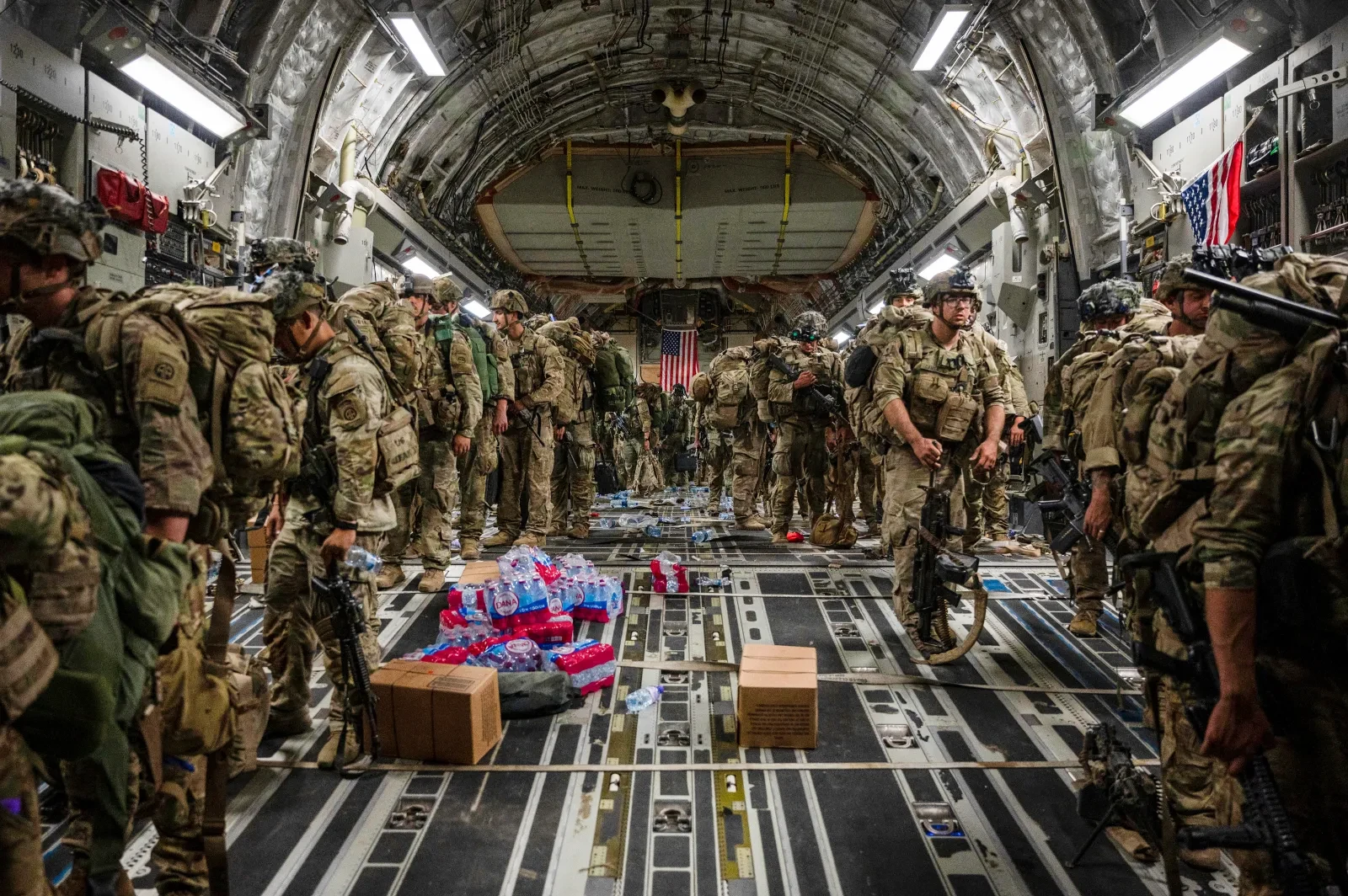
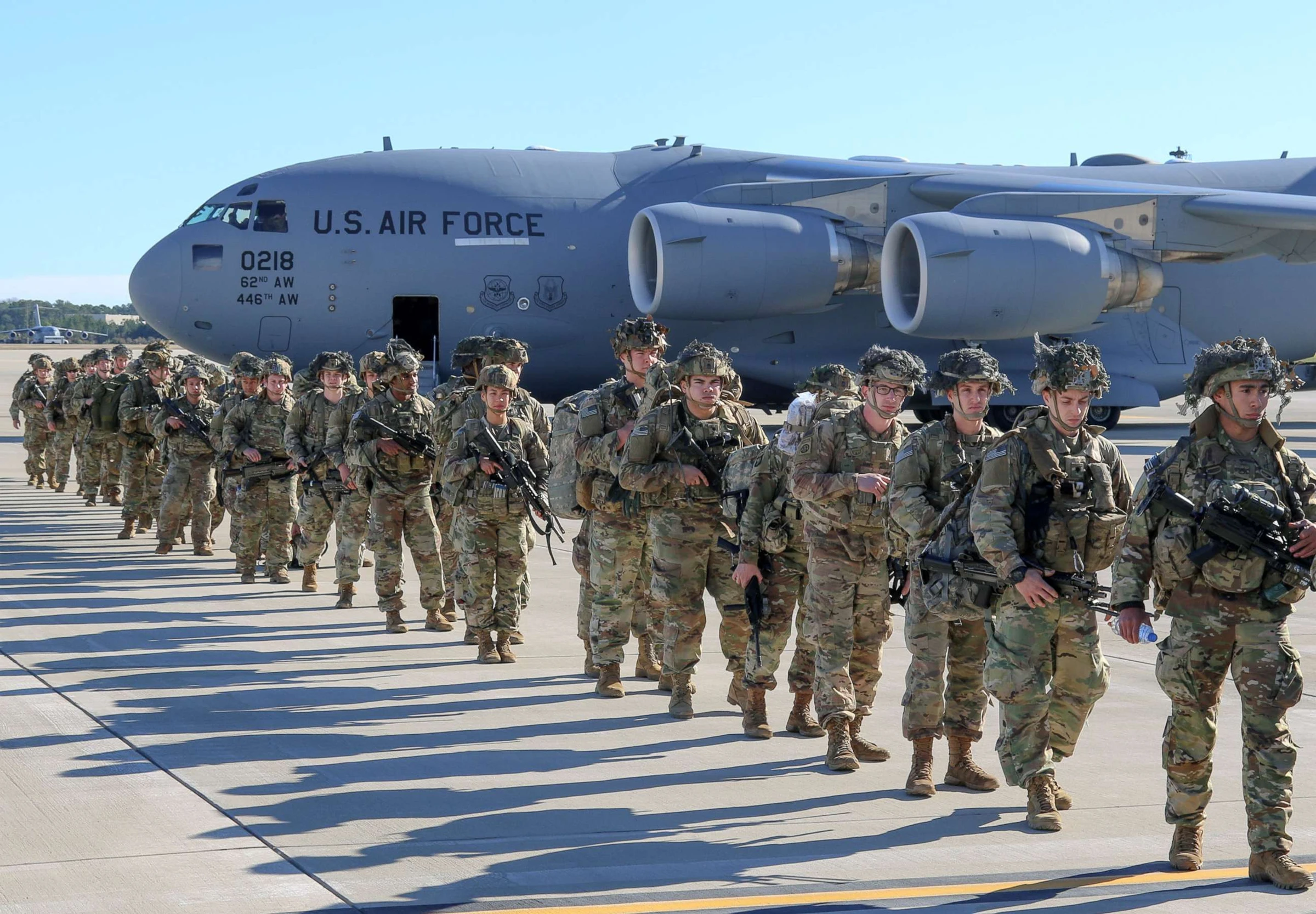
Donald Trump has ordered the deployment of approximately 3,000 US troops, including 2,000 soldiers from the 82nd Airborne Division, to the Gulf region amid ongoing tensions with Iran. The troops, based at Fort Bragg in North Carolina, are expected to arrive in the coming days, with potential roles including support operations or leading a ground attack, possibly targeting Kharg Island, a key oil-exporting hub for Iran. This military build-up coincides with Trump's claims of being in 'very good talks' with Iran to end the conflict, despite recent Iranian attacks on Israel and Gulf Arab states.
Pentagon to Deploy 3,000 Troops to Middle East
The Pentagon is preparing to deploy approximately 3,000 troops from the Army’s 82nd Airborne Division to the Middle East, adding to the existing 50,000 U.S. troops in the region amid ongoing military operations against Iran. This troop increase follows a month of U.S. airstrikes that have reportedly destroyed over 9,000 military targets in Iran, raising concerns about a potential escalation of U.S. involvement in the conflict. Defense officials noted that while no decisions have been made for troops to enter Iran, the buildup suggests a heightened military presence in response to the ongoing U.S.-Israel war against the Iranian regime.
US Proposes 15-Point Ceasefire Plan to Iran
The US has reportedly proposed a 15-point ceasefire plan to Iran, communicated through intermediaries from Pakistan, as military preparations continue with the deployment of at least 1,000 additional troops to the region. This comes amid ongoing hostilities, with air strikes targeting Iran and Iranian missiles hitting various locations, including Israel. Iranian military spokesperson Lieutenant Colonel Ebrahim Zolfaghari dismissed the ceasefire proposal, questioning the legitimacy of US negotiations.
Israel and US Launch Strikes Against Iran Amid Unrest
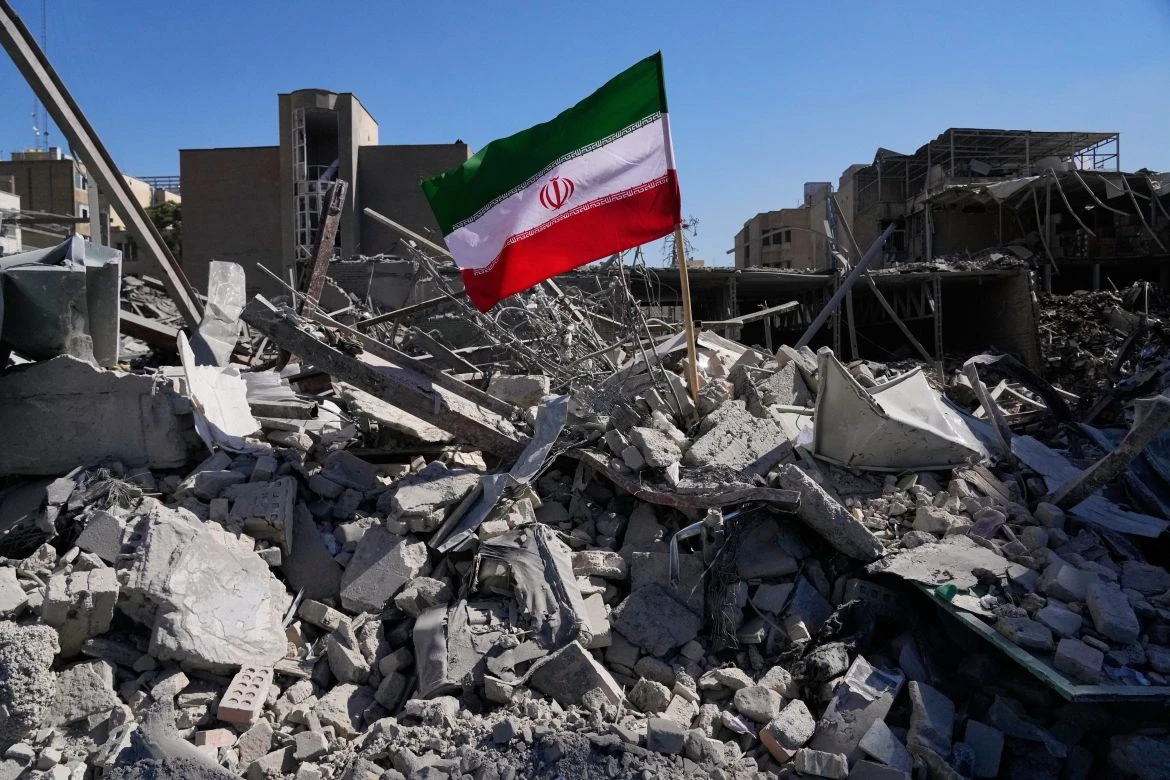
On February 28, 2026, Israel and the United States initiated a series of military strikes against Iran, targeting its nuclear and ballistic missile programs with the stated aim of inducing regime change. In retaliation, Iran launched counter-strikes against U.S. military bases and allied locations in the region, resulting in both military and civilian casualties, although the exact numbers remain unclear. The conflict follows a period of significant unrest within Iran, marked by protests against the regime, and comes after failed negotiations aimed at curtailing Iran's nuclear ambitions.
Israel to Establish Security Zone in Southern Lebanon
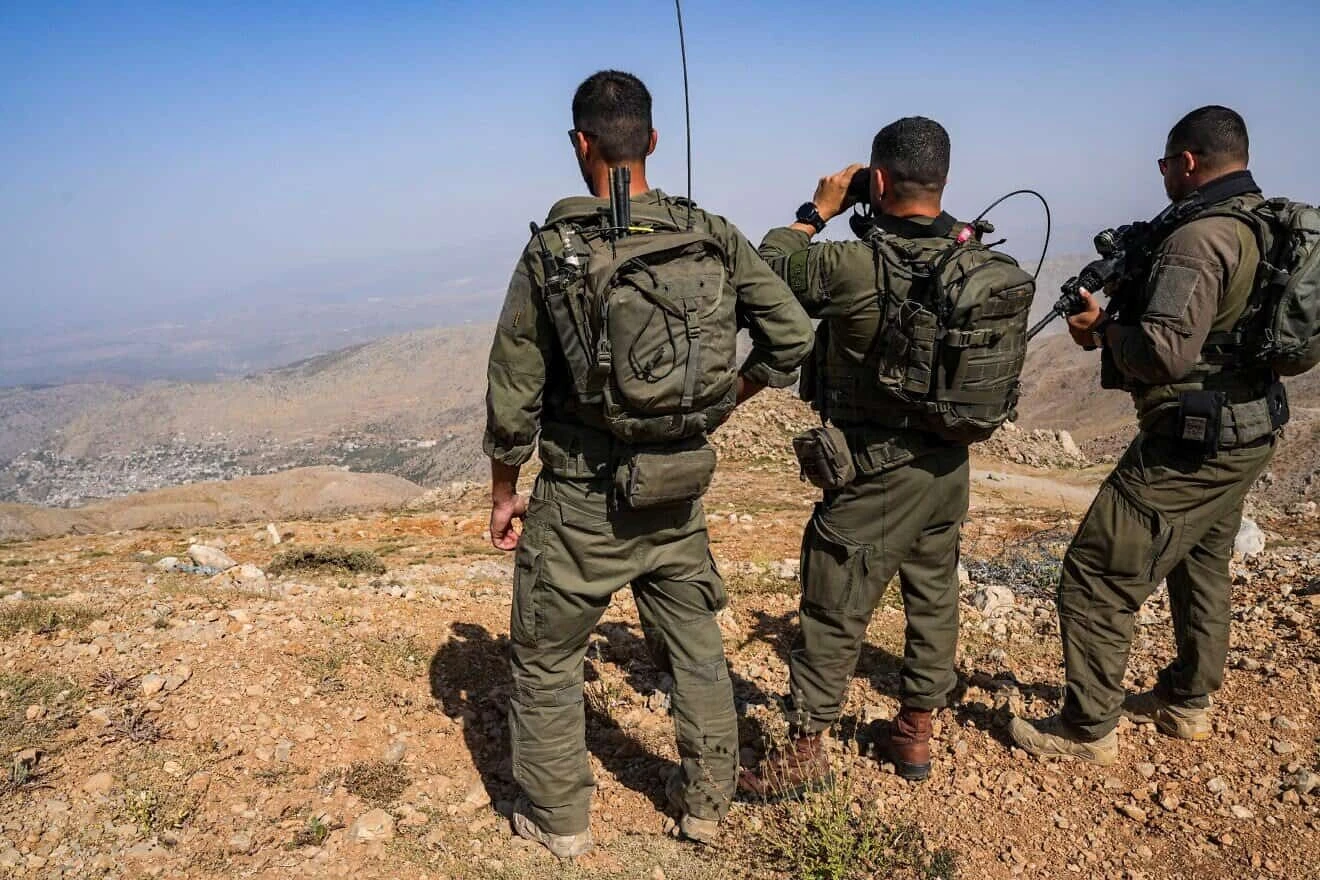
Israeli Defence Minister Israel Katz announced that Israeli troops will take control of a significant area in southern Lebanon, establishing a security zone extending to the Litani River, approximately 30km from the Lebanon-Israel border. This move follows increased hostilities after Hezbollah fired rockets into northern Israel, leading to over 1,072 fatalities in Lebanon, including at least 121 children, and displacing more than a million people. Katz stated that displaced residents will not be allowed to return until security in northern Israel is assured, emphasizing the goal of protecting Israeli communities from Hezbollah attacks.
Larry Fink warns of recession risks from high oil prices
Larry Fink, chief executive of BlackRock, warned that sustained oil prices at $150 a barrel could trigger a global recession, emphasizing that if Iran remains a threat, the world may face years of oil prices above $100. He outlined two scenarios: one where regional conflict resolution leads to lower prices, and another where persistent geopolitical tensions keep prices high, resulting in significant economic implications. Mark Zandi, chief economist at Moody's Analytics, noted that even an average oil price of $125 per barrel could push the U.S. into a downturn.
Pakistan Offers Mediation in US Iran Conflict
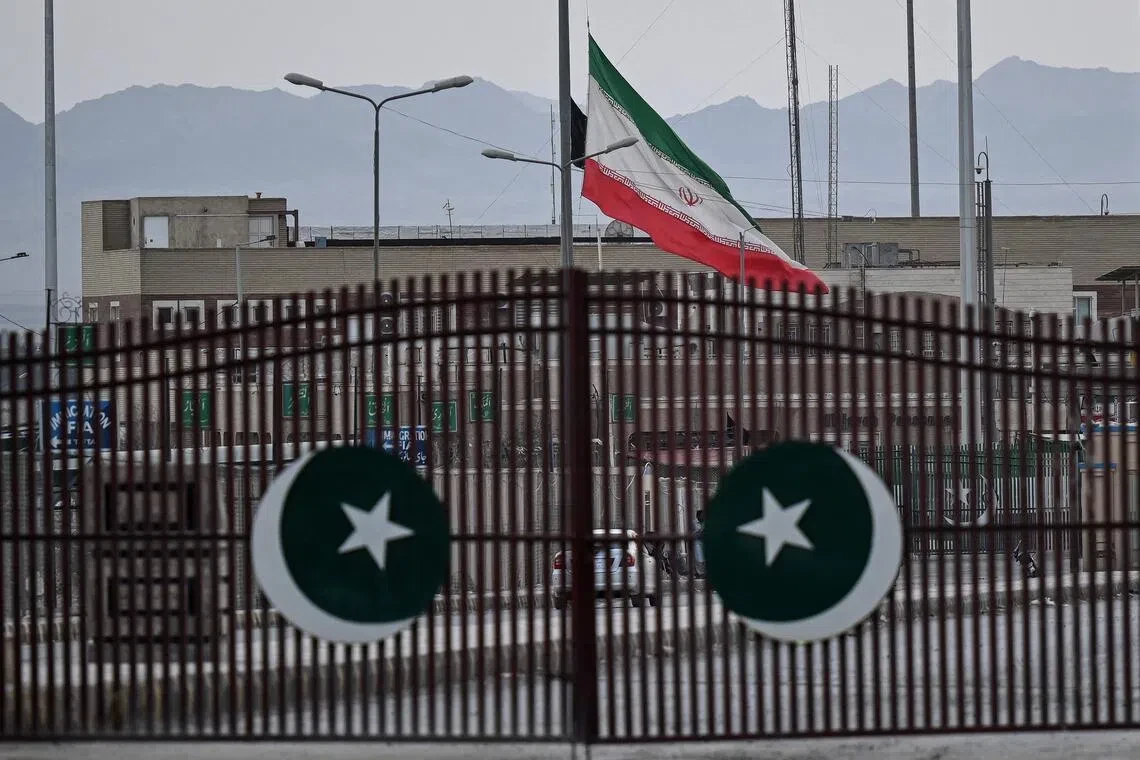
Pakistan is positioning itself as a mediator in the ongoing conflict between the U.S. and Iran, with potential in-person talks scheduled in Islamabad, according to diplomatic sources. U.S. President Donald Trump announced that he had sent a peace plan to Iran and described recent discussions as 'very good and productive,' despite Iran's skepticism regarding immediate ceasefire prospects. Meanwhile, Iran has indicated it will permit 'non-hostile' vessels to navigate the Strait of Hormuz, a critical route for global oil supplies, as the conflict continues to impact oil prices.
Eurozone PMI Declines to 10-Month Low in March
The S&P Global flash Eurozone Composite Purchasing Managers’ Index (PMI) fell to 50.5 in March, down from 51.9 in February, marking a 10-month low as rising energy prices linked to the ongoing Middle East conflict exacerbated supply chain disruptions and pushed input costs to their highest levels in over three years. This decline in business activity, particularly in the services sector, coincided with a drop in new orders for the first time in eight months, raising concerns about a potential economic downturn as GDP growth is projected to slow to just below 0.1% in the first quarter.
Lithuania Confirms Ukrainian Drone Targeted Russian Infrastructure
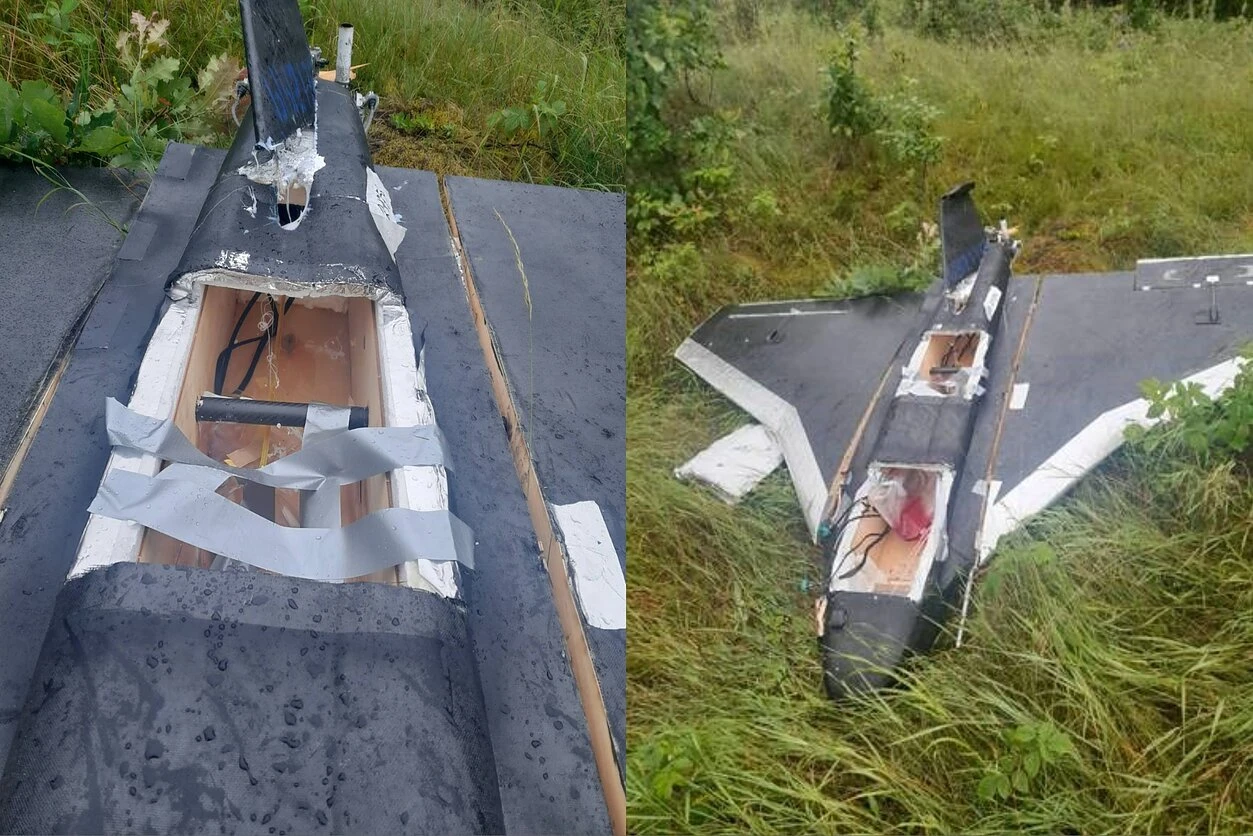
Lithuania's Prime Minister Inga Ruginienė confirmed that a military drone that crashed in the Varėna district originated from Ukraine and was targeting Russian energy infrastructure. The drone, which went off course, flew below 300 meters, evading detection by both Lithuanian and Belarusian radar systems, highlighting a significant vulnerability in Lithuania's air defense capabilities. An investigation is underway to determine the specifics of the drone involved.
European Agencies Probe Antisemitic Attacks Linked to Hezbollah
European security agencies are investigating a series of antisemitic attacks across the continent, claimed by a newly emerged group named Harakat Ashab al-Yamin al-Islamiyya, which has been linked to Hezbollah. The group has taken responsibility for multiple incidents, including attacks on synagogues and Jewish community centers in cities such as Liège, Rotterdam, and Amsterdam, with the latest occurring at the World Trade Center Amsterdam. While investigators have traced the circulation of attack videos to Telegram channels associated with Hezbollah, they caution that this does not confirm direct involvement by the organization, which maintains a significant presence in Germany and France.
NATO Chief Faces Criticism Over Iran Strategy Endorsement
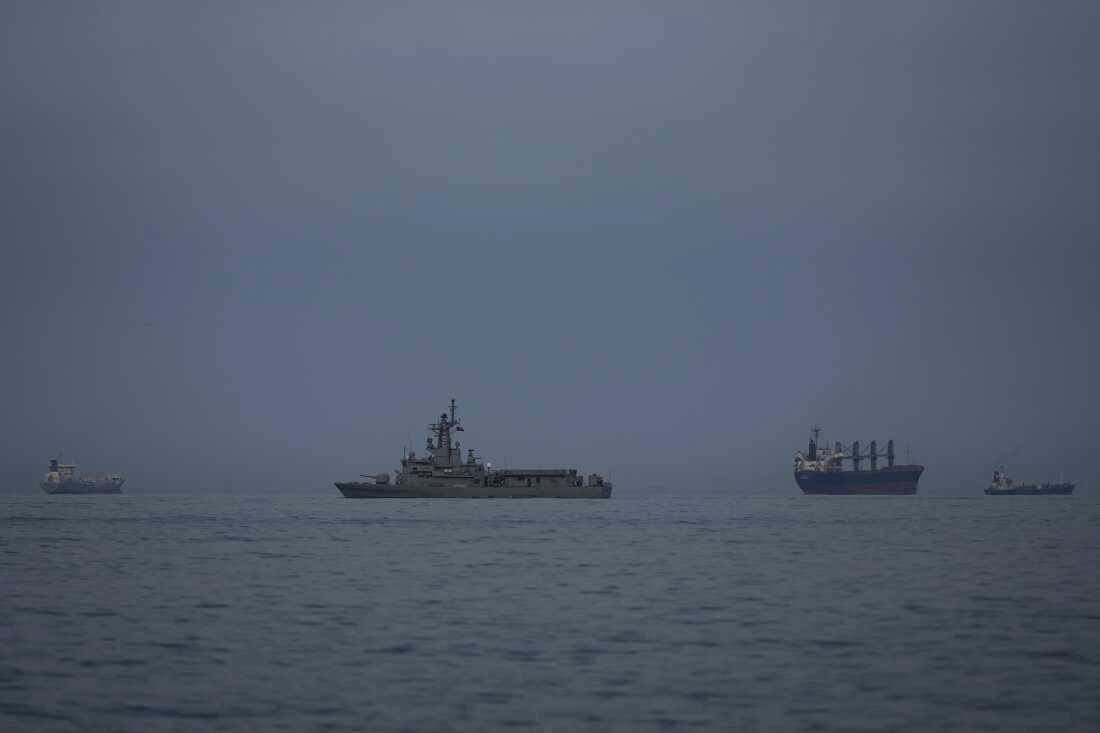
NATO chief Jens Stoltenberg faced criticism from European leaders after endorsing President Trump's military strategy in Iran and advocating for European nations to contribute to the U.S. naval presence in the Strait of Hormuz. This comes as Iran has effectively blockaded the strait, leading to hundreds of oil tankers idling and causing a surge in global oil prices. Experts warn that restoring traffic in the strait will be challenging without a comprehensive deal with Iran or a prolonged military presence.