Gulf Conflict Disrupts Global Energy Markets and Supply
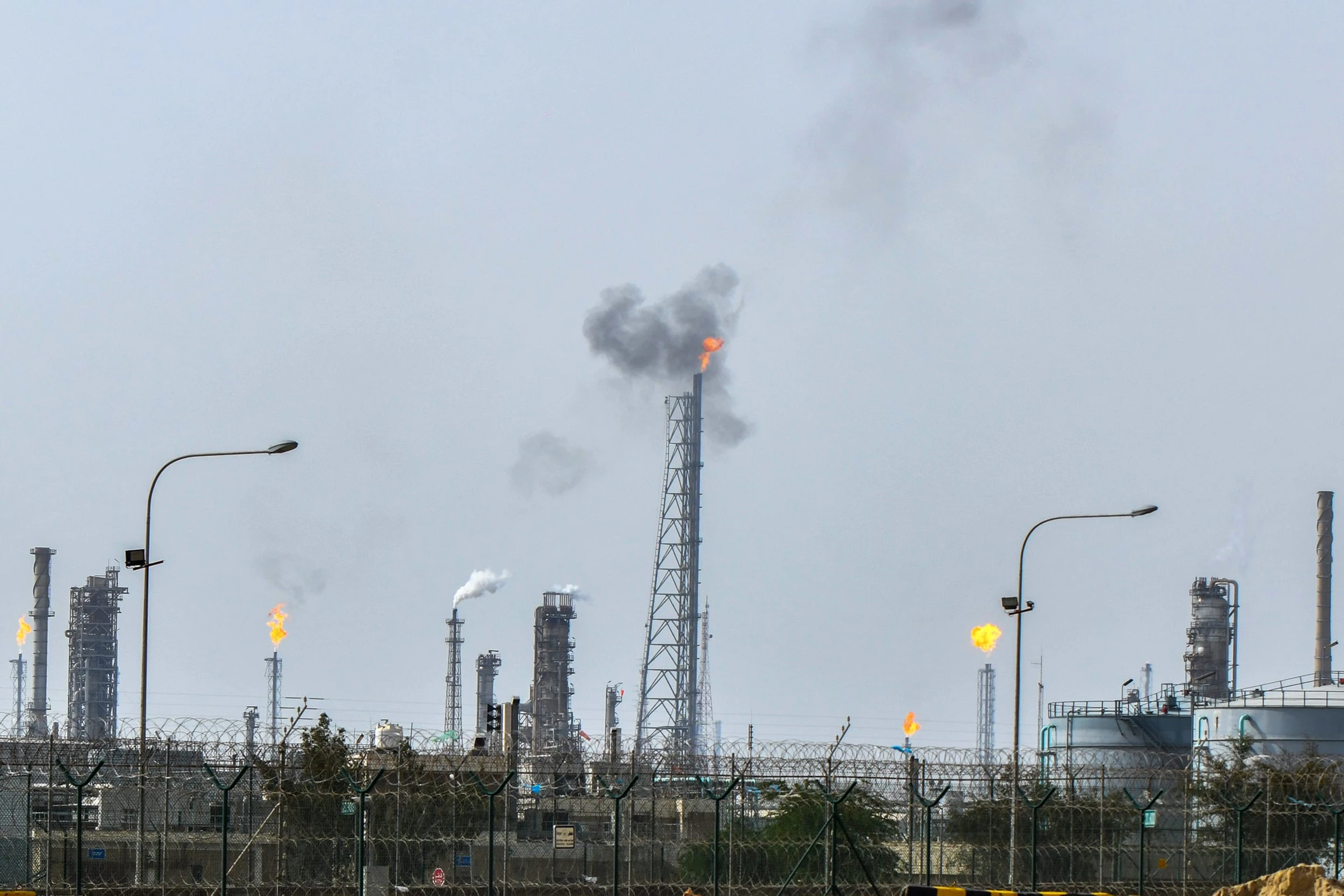
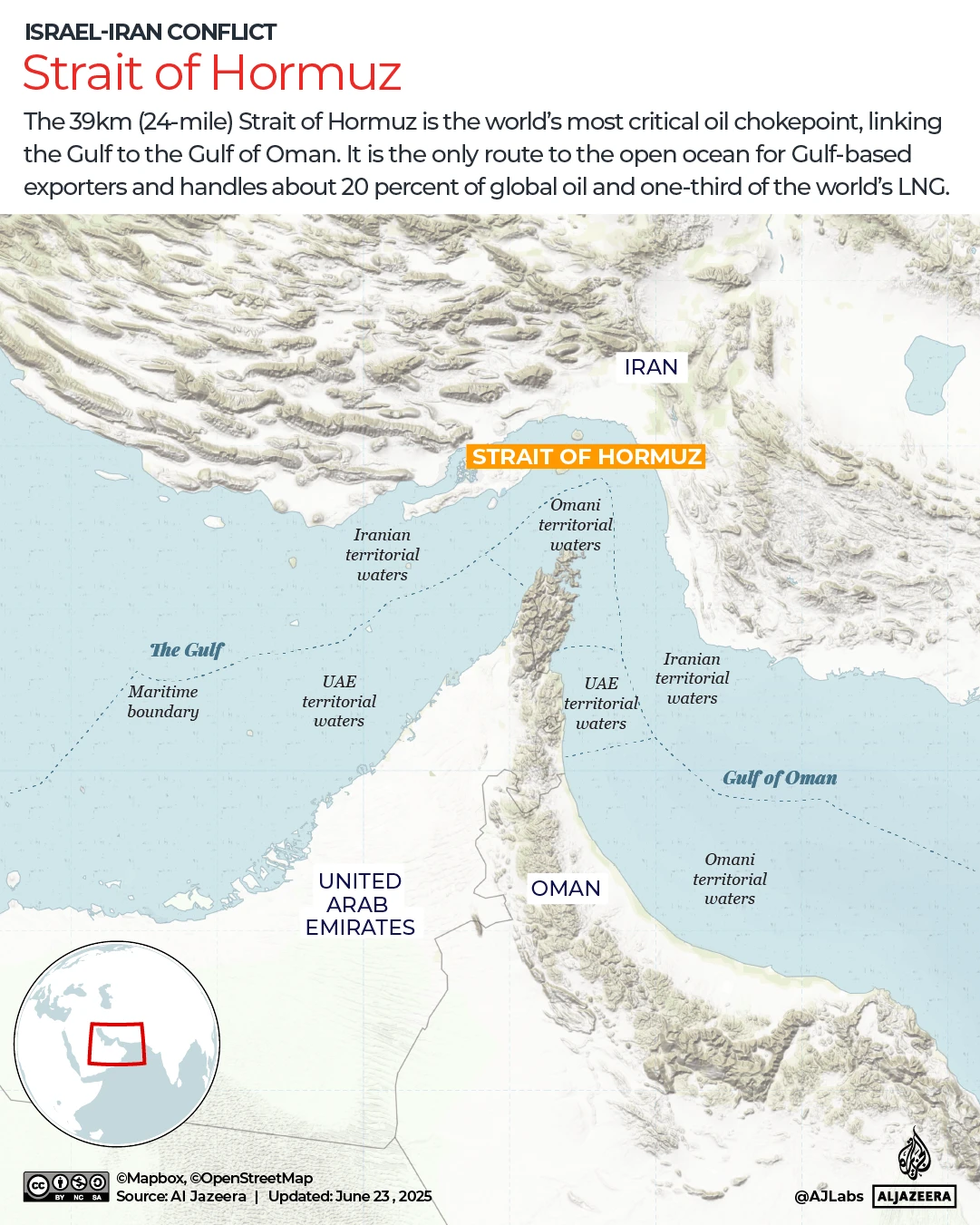
The ongoing conflict in the Gulf, marked by US-Israeli strikes on Iran and Tehran's retaliatory actions, has severely disrupted global energy markets, particularly through the Strait of Hormuz, which previously facilitated 20% of the world's oil supply. With commercial tanker traffic nearly halted due to threats of Iranian attacks, Europe faces an impending energy crisis as it enters a critical period for replenishing gas storage, currently below 30% capacity, necessitating nearly 60 billion cubic meters of liquefied natural gas imports to meet EU regulations by December.
UN Security Council Considers Military Action in Strait of Hormuz
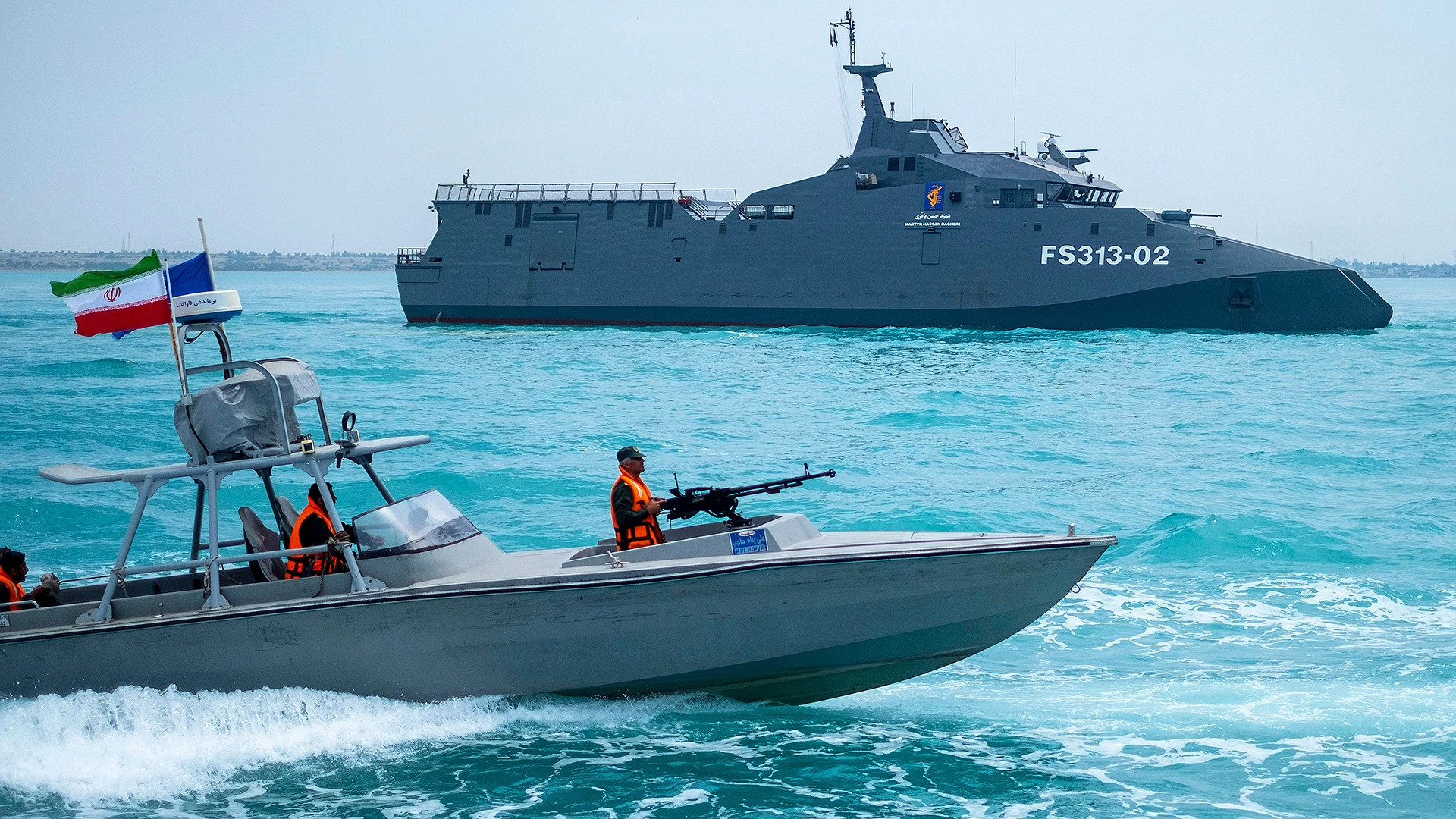
The UN Security Council is currently deliberating a draft resolution that would authorize member states to use all necessary means, including military force, to ensure navigation through the Strait of Hormuz. This consideration follows a joint statement from 22 nations condemning recent Iranian attacks on commercial vessels and infrastructure in the Gulf, which they assert threaten international peace and security.
Iran Blocks Strait of Hormuz Disrupting Global Energy Supply
Iran has effectively blocked the Strait of Hormuz for over three weeks, disrupting global energy flows and significantly impacting food production due to halted fertiliser shipments. The blockade, which affects approximately 20% of global daily petroleum consumption, has led to a diplomatic pivot from U.S. President Trump, who announced a five-day pause on military strikes in favor of negotiations, despite Iran denying any direct talks. The ongoing conflict has resulted in over 9,000 U.S. airstrikes and approximately 1,443 civilian deaths, complicating efforts for a ceasefire.
US Continues Military Strikes Against Iran Amid Market Rebound
The United States has decided to continue military strikes against Iran, with a pause specifically limited to energy sites, according to reports. This decision has led to a significant rebound in stock markets in the UAE, while oil prices have fluctuated amid ongoing geopolitical tensions.
Ukraine Targets Russian Oil Port with Drone Strikes
Ukraine launched drone strikes on the Russian oil port of Primorsk, located near the Finnish border, resulting in significant fires at the facility, according to both Moscow and Kyiv. The General Staff of the Armed Forces of Ukraine reported that key fuel and energy infrastructure was targeted, with Primorsk handling approximately 60 million tonnes of oil annually. Russian officials stated that over 70 drones were intercepted in the region, which has not been a primary front in the ongoing conflict.
EU Trade Commissioner Announces Mercosur Deal Provisional Application
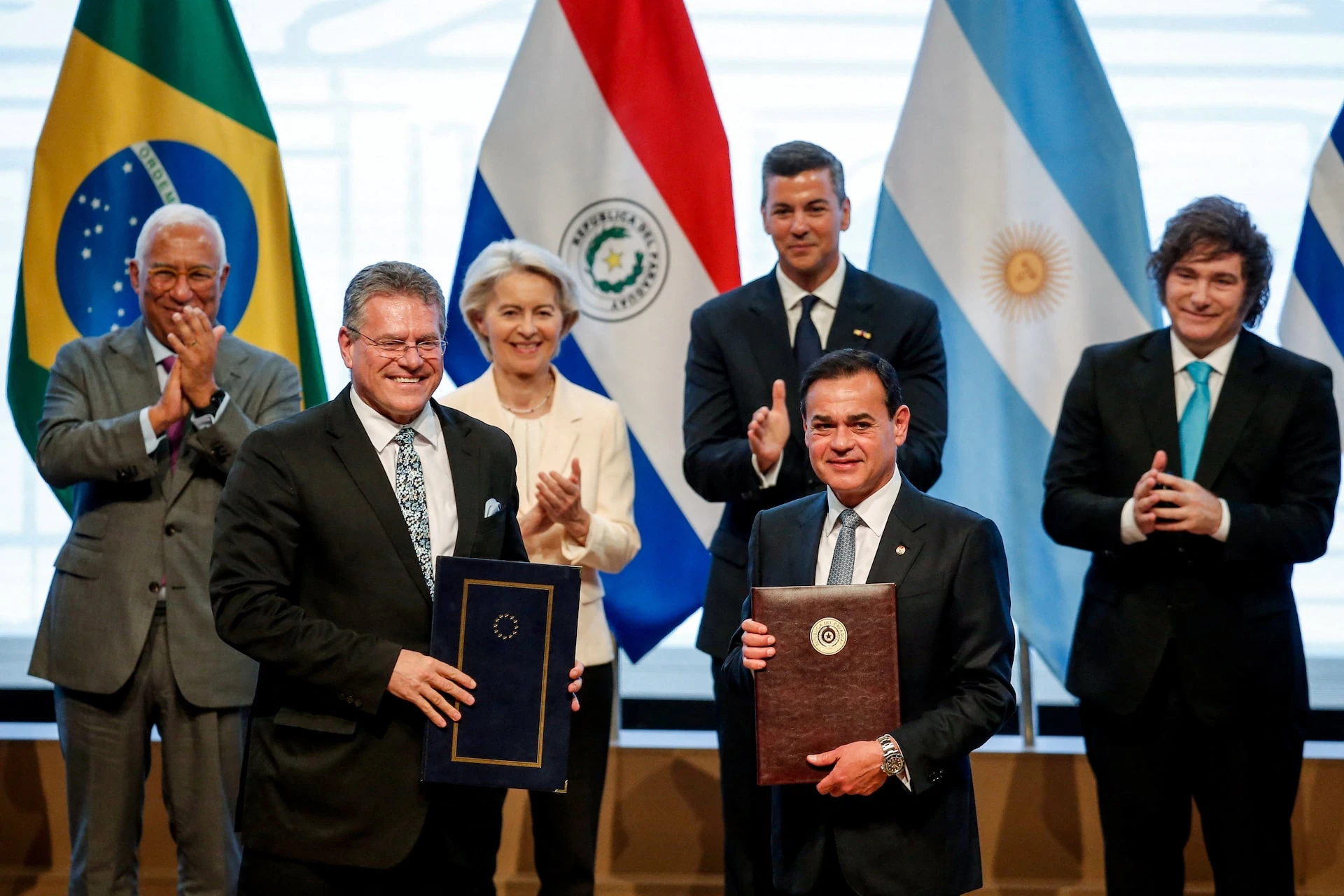
Maroš Šefčovič, the EU's Trade Commissioner, announced the provisional application of the Mercosur trade deal, effective May 1, which will liberalize trade between the EU and Argentina, Brazil, Paraguay, and Uruguay, creating a free-trade area of over 700 million people. This decision follows a judicial review initiated by the European Parliament, but was supported by member states like Germany and Spain seeking quicker market access amid rising geoeconomic tensions. The agreement aims to remove tariffs on certain products from day one, enhancing supply chain resilience.
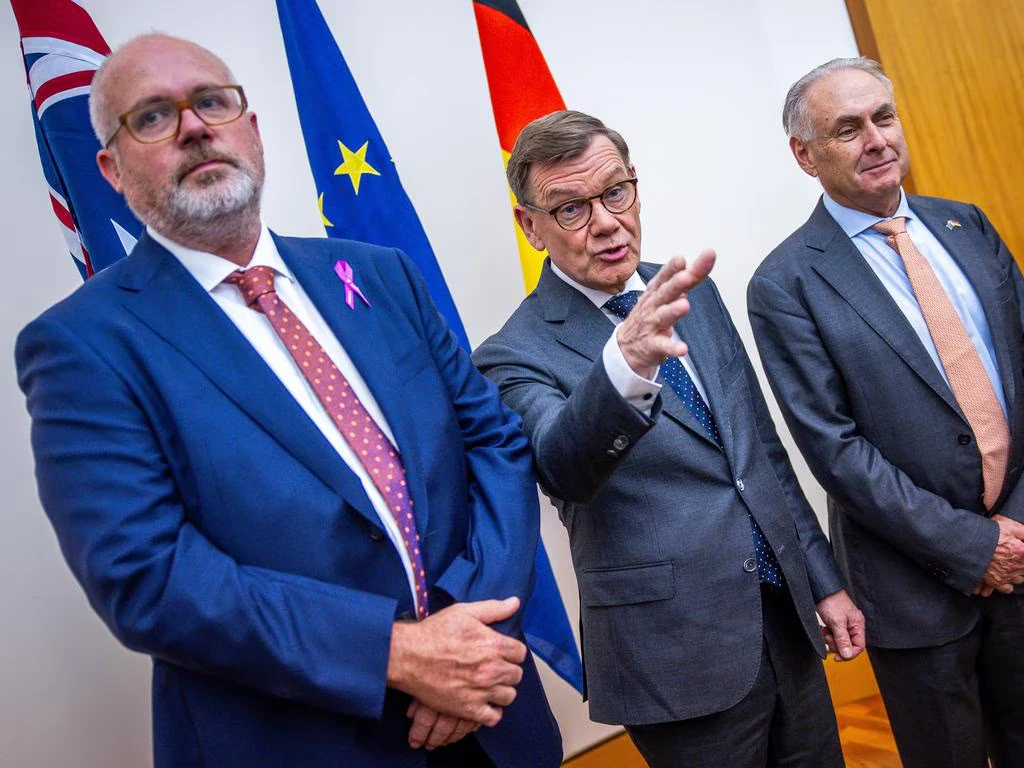
Australia and EU sign $10 billion trade agreement
Australia's Prime Minister Anthony Albanese and European Commission President Ursula von der Leyen signed a $10 billion free trade agreement aimed at enhancing bilateral trade and reducing reliance on the United States and China. The deal, which eliminates tariffs on Australian agricultural products and allows for greater access to European markets, is expected to boost trade by approximately 30% over the next decade. However, Australian meat exporters expressed disappointment, as the agreement permits only 30,600 tonnes of beef exports, falling short of their demand for at least 50,000 tonnes.