Lebanon and Israel to Hold First Talks in 40 Years
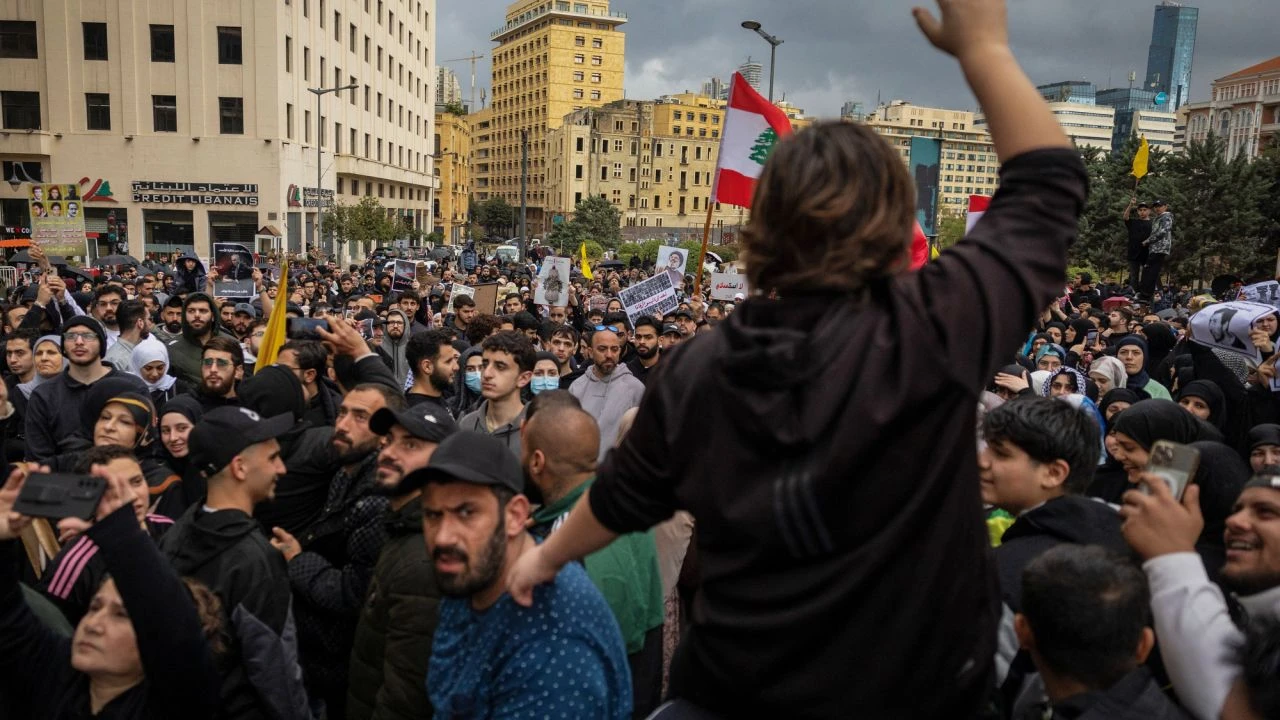
Lebanon and Israel's ambassadors to the US have agreed to meet in Washington next week to discuss ceasefire conditions and the initiation of direct negotiations, marking the first such talks in over forty years. The Lebanese presidency announced that these discussions would only proceed if a ceasefire is established, while Israeli Prime Minister Benjamin Netanyahu confirmed the talks following requests from the Lebanese government. Ongoing Israeli air strikes have resulted in a reported death toll of 357 in Lebanon, with the Israeli military claiming to have killed at least 180 Hezbollah fighters.
TotalEnergies Shuts Satorp Refinery Amid Safety Concerns
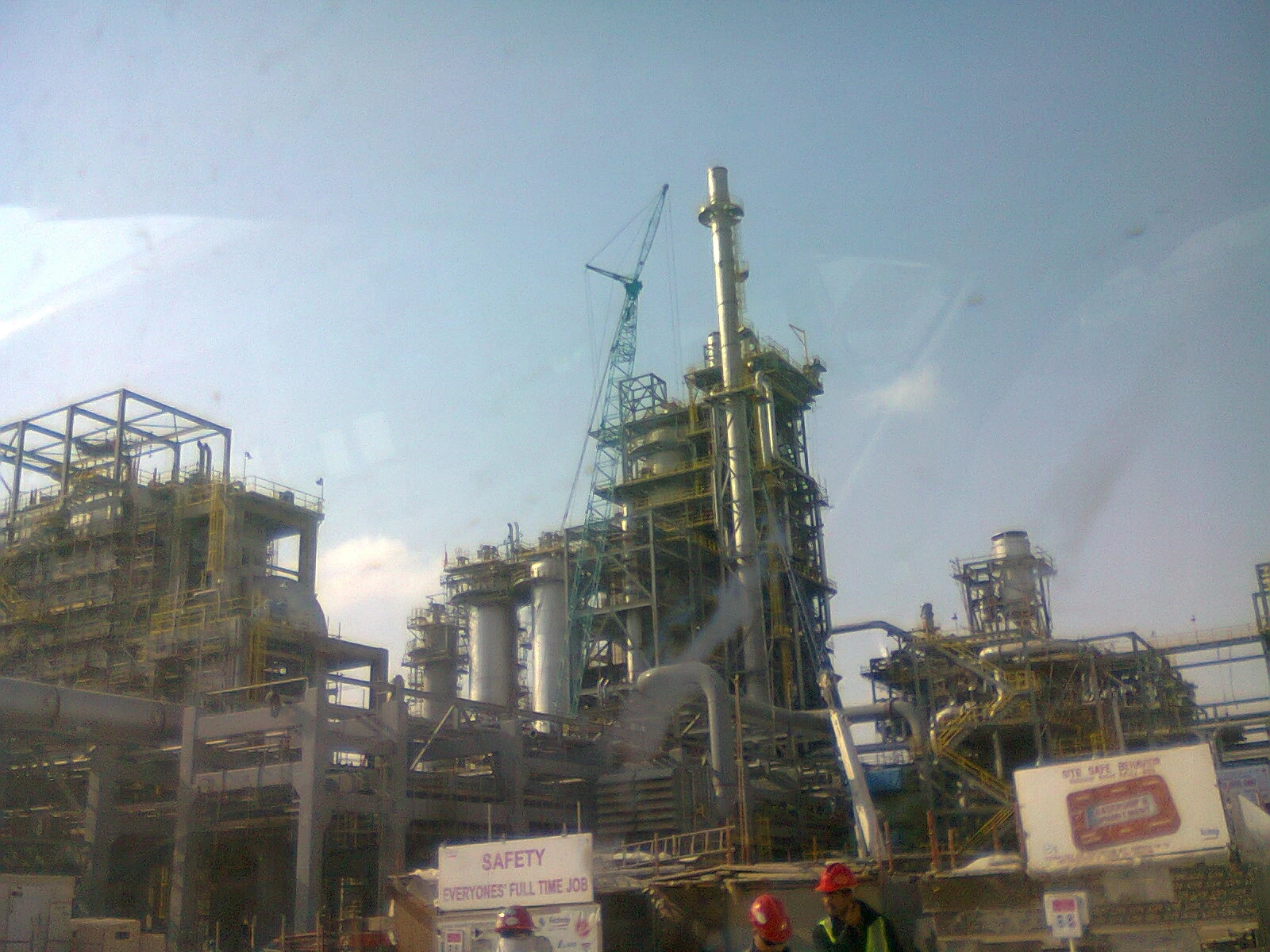
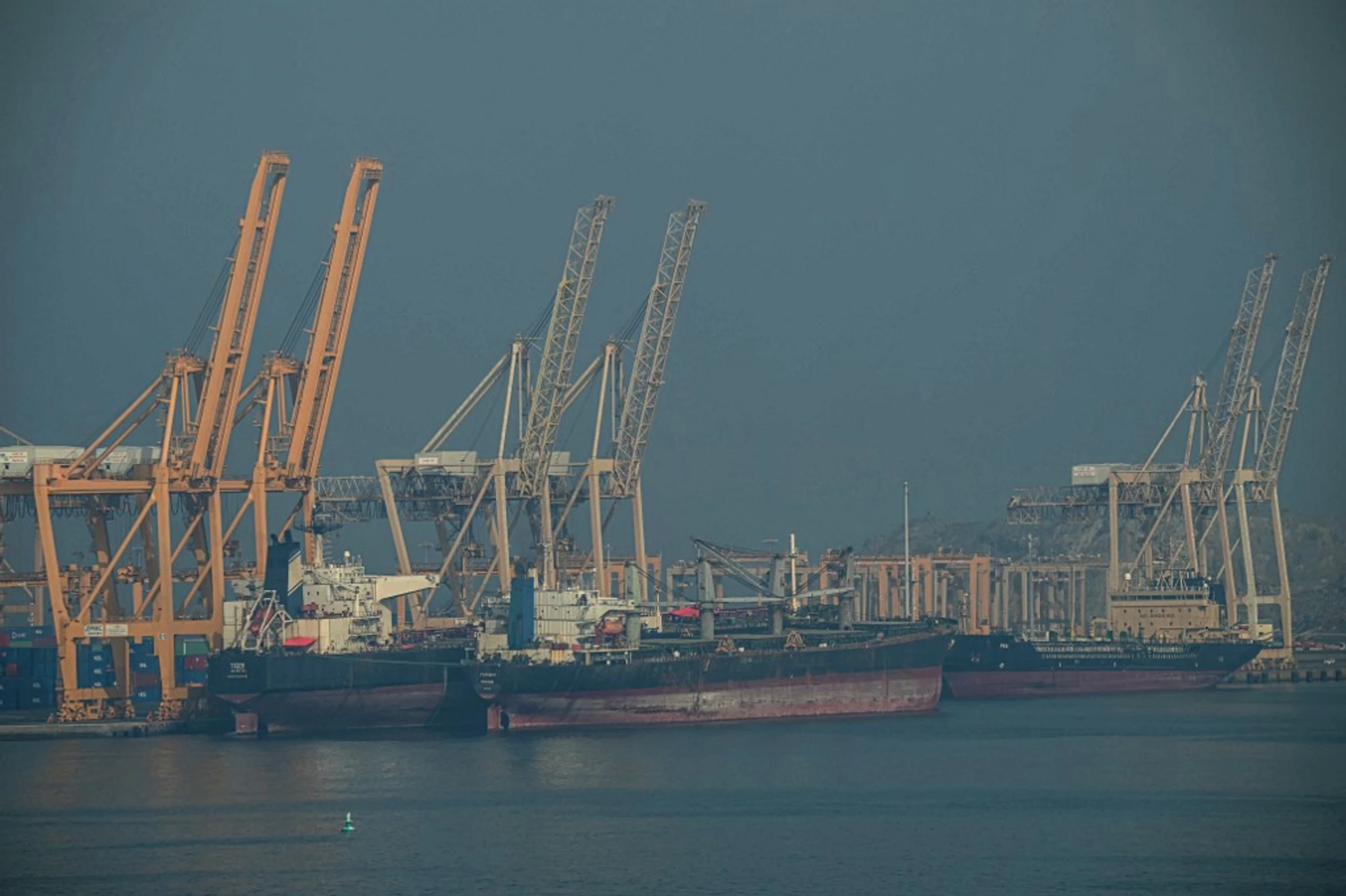
TotalEnergies has shut down the Satorp refinery in Jubail, Saudi Arabia, after strikes damaged one of its two processing trains on April 7-8, as a safety measure. The refinery, co-owned by Saudi Aramco (62.5%) and TotalEnergies (37.5%), has a crude oil refining capacity of 460,000 barrels per day. The Saudi Energy Ministry reported that broader attacks have reduced the country's oil production capacity by approximately 600,000 barrels per day, impacting exports and raising concerns over global energy supply security.
Saudi Oil Production Capacity Hit by Iranian Attacks
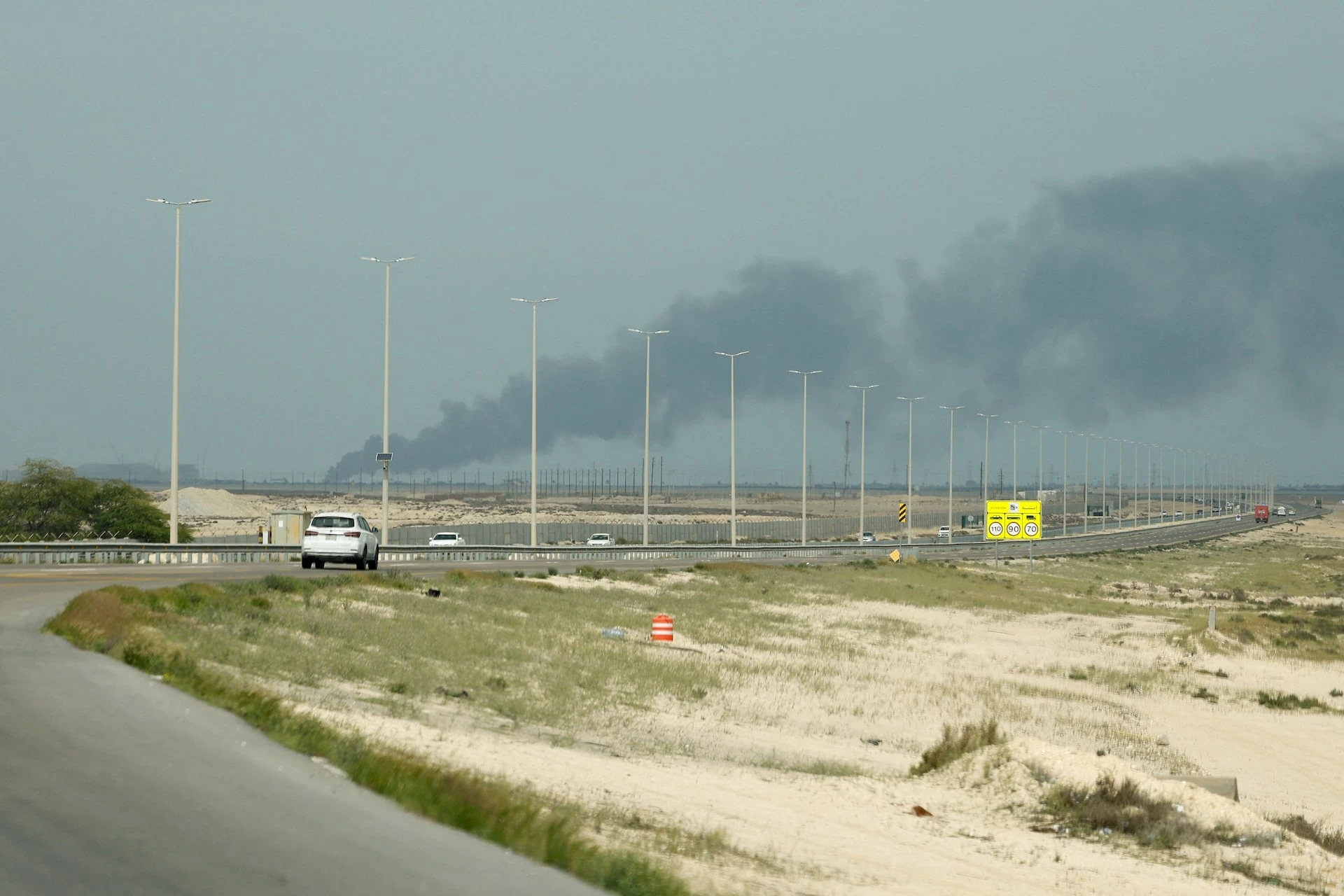
Saudi Arabia's oil production capacity has been severely impacted by recent Iranian attacks, with a strike on the East-West pipeline cutting throughput by 700,000 barrels per day. Additionally, assaults on the Manifa and Khurais production facilities have reduced output by another 600,000 barrels per day, compounding disruptions to global oil supplies amid the ongoing conflict with Iran. The situation is further complicated by Iran's effective closure of the Strait of Hormuz, which has restricted access for hundreds of ships, with Gulf oil producers shutting down approximately 13 million barrels per day of production.
Trump weighs reducing US military presence in Europe
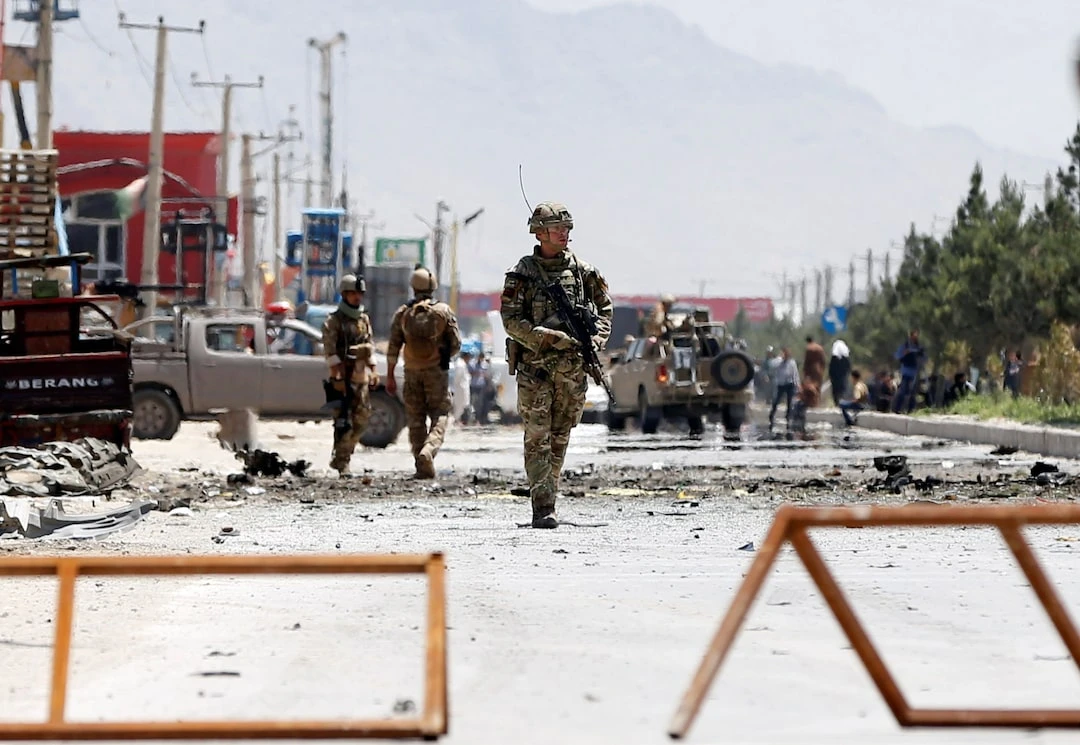
U.S. President Donald Trump is considering the removal of some of the approximately 68,064 active-duty military personnel stationed in Europe, as reported by a senior White House official. This discussion follows Trump's dissatisfaction with NATO allies' perceived inaction regarding security in the Strait of Hormuz and his unsuccessful attempts to acquire Greenland from Denmark. NATO Secretary-General Mark Rutte noted that while allies were initially slow to respond, they are now providing substantial support on basing and logistics.
Starmer Confirms Talks with Trump on Strait Security
British Prime Minister Keir Starmer confirmed discussions with former U.S. President Donald Trump regarding military options to secure the Strait of Hormuz, a critical waterway for global oil transport. Starmer stated that the UK is leading a coalition of approximately 30 countries to ensure safe navigation through the strait, which carries about 20-21% of the world's daily oil consumption. The talks follow escalating tensions in the region and aim to address the urgent need for coordinated action to restore shipping operations.
Israel Revises Iran Strategy Amid U.S. Coordination
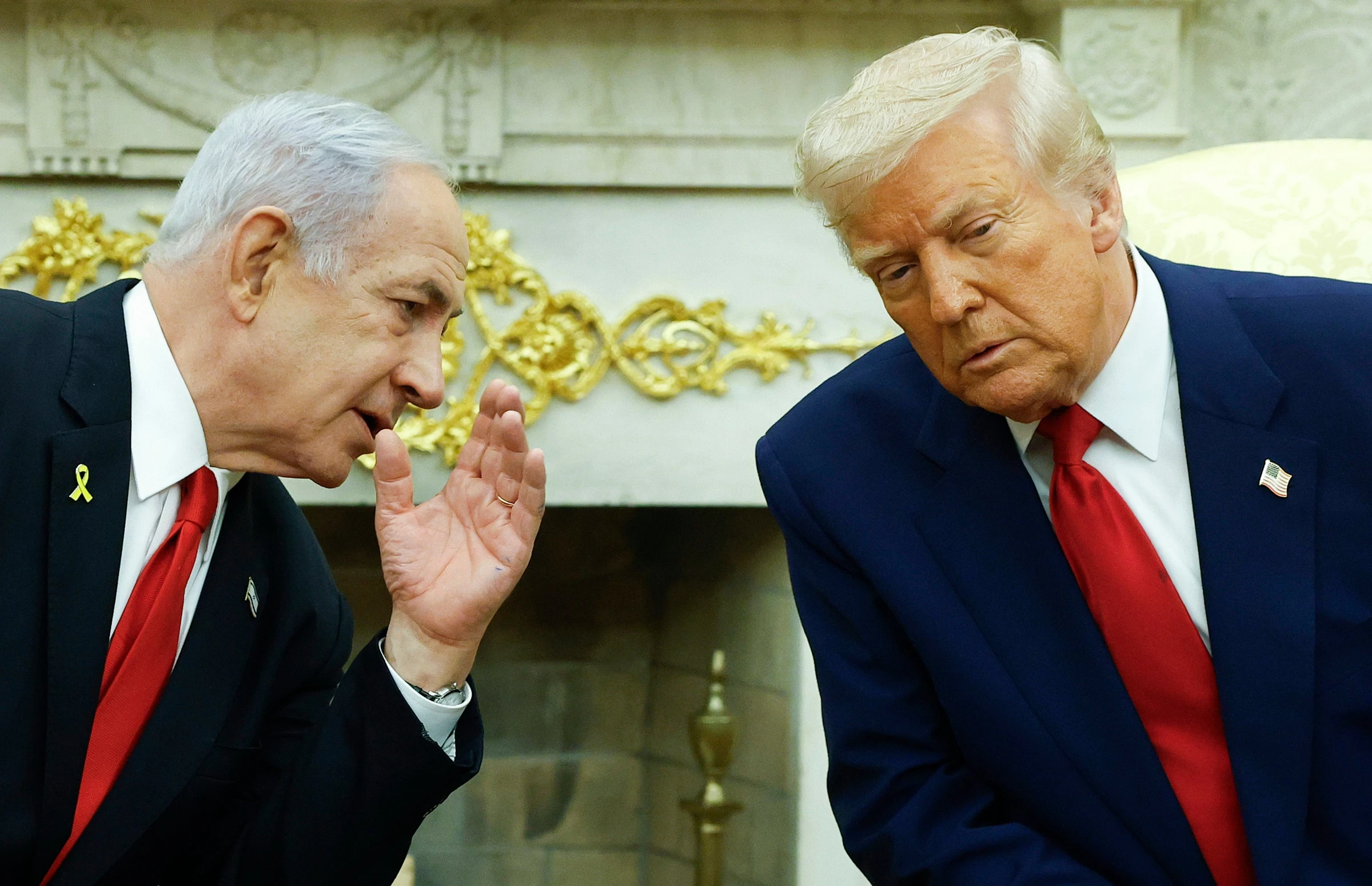
Israel is shifting its strategy regarding Iran, focusing on coordination with U.S. President Donald Trump while applying military pressure and seeking diplomatic solutions. Prime Minister Benjamin Netanyahu aims to address concerns over Iran's nuclear program without provoking further U.S. discontent, having agreed to scale back Israeli operations in Lebanon at Trump's request. This new approach follows a six-week conflict that has seen significant military engagement but failed to achieve Israel's initial goals of removing the Iranian threat.