Strait of Hormuz Closure Threatens Global Energy Security
The ongoing conflict between the U.S. and Iran has led to the effective closure of the Strait of Hormuz, a critical maritime passage through which approximately 20 million barrels of oil were shipped daily before the war. Fatih Birol, Executive Director of the International Energy Agency, reported a loss of 13 million barrels per day and warned that the situation poses the largest energy security threat in history, with significant disruptions to global commodities. In response, Gulf oil producers are increasingly seeking alternative export routes, while investments in renewable energy and nuclear power are expected to accelerate.
Britain and France Launch Multinational Naval Mission
Britain and France are leading efforts to establish a multinational naval mission to secure shipping routes through the Strait of Hormuz, following disruptions caused by ongoing conflicts in the region. At a meeting in London, military planners from 30 countries discussed operational plans, with UK Defense Minister John Healey and French Armed Forces Minister Catherine Vautrin expressing confidence in the initiative's potential to stabilize trade flows. More than a dozen nations have reportedly agreed to participate in the mission, which aims to address the severe economic impacts of the blockade on global trade.
Ukrainian Drone Strike Causes Fire at Russian Oil Refinery
A Ukrainian drone strike on April 20, 2026, targeted an oil refinery in Tuapse, Russia, resulting in a significant fire that has yet to be fully extinguished. Local authorities reported that air quality deteriorated, with levels of toxic substances such as benzol and xylene reaching two to three times the safe exposure limit, prompting recommendations for residents to stay indoors due to hazardous conditions, including the phenomenon of 'black rain.' As of April 23, nearly 300 firefighters were engaged in efforts to control the blaze, which has raised concerns about a major environmental disaster.
Russia Deploys Co-Orbital ASAT Weapons Threatening US Satellites
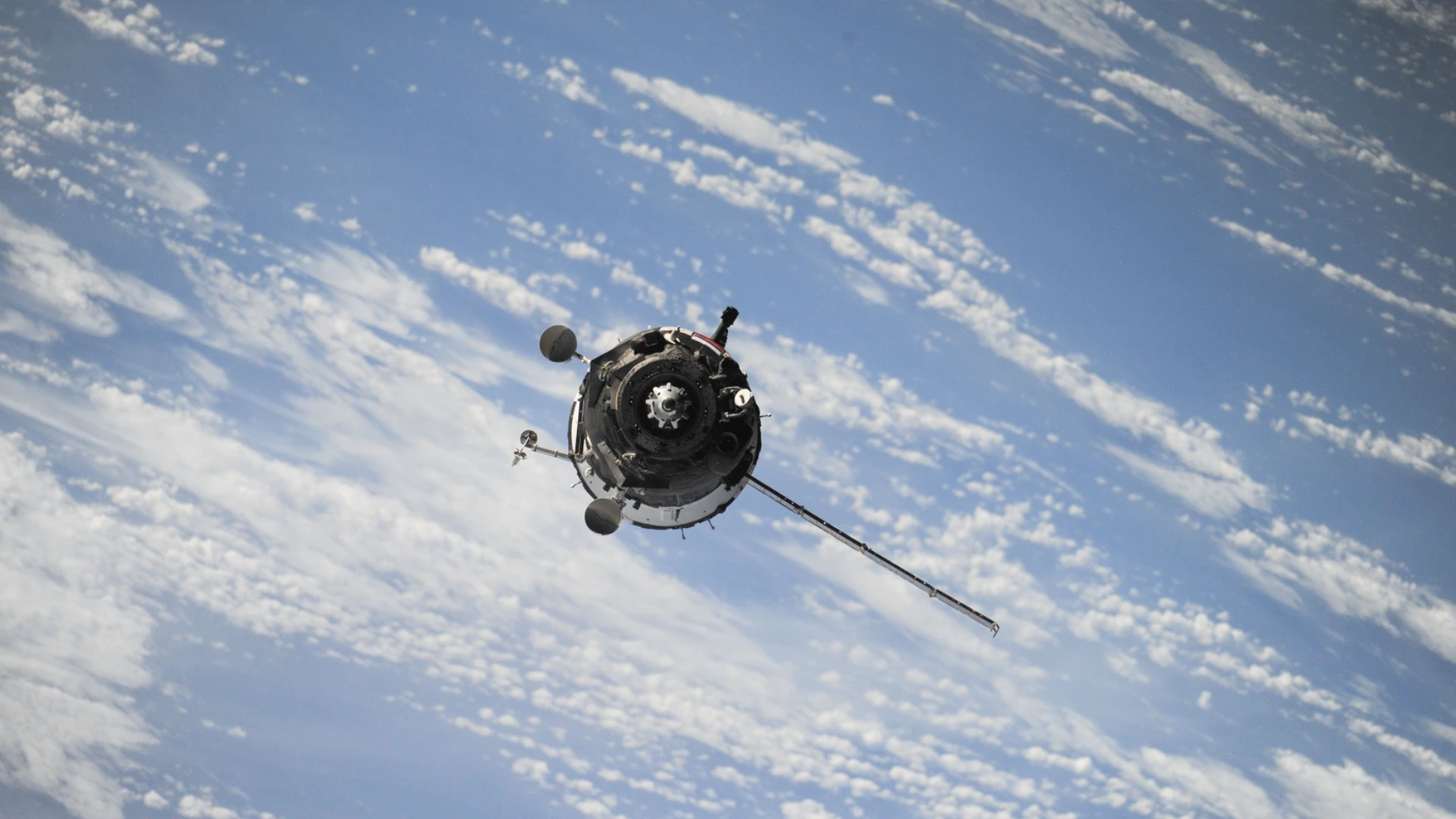
US Space Command announced that Russia has operationalized co-orbital anti-satellite (ASAT) weapons capable of targeting high-value US satellites, according to General Stephen Whiting. The Russian military program, identified as Nivelir, has deployed four satellites that can maneuver close to US spy satellites, with the latest launch occurring in May 2025. Whiting indicated that these developments represent a significant escalation in Russia's space capabilities, allowing for potential threats to US national security assets in low-Earth orbit.
Tusk questions US commitment to NATO defense
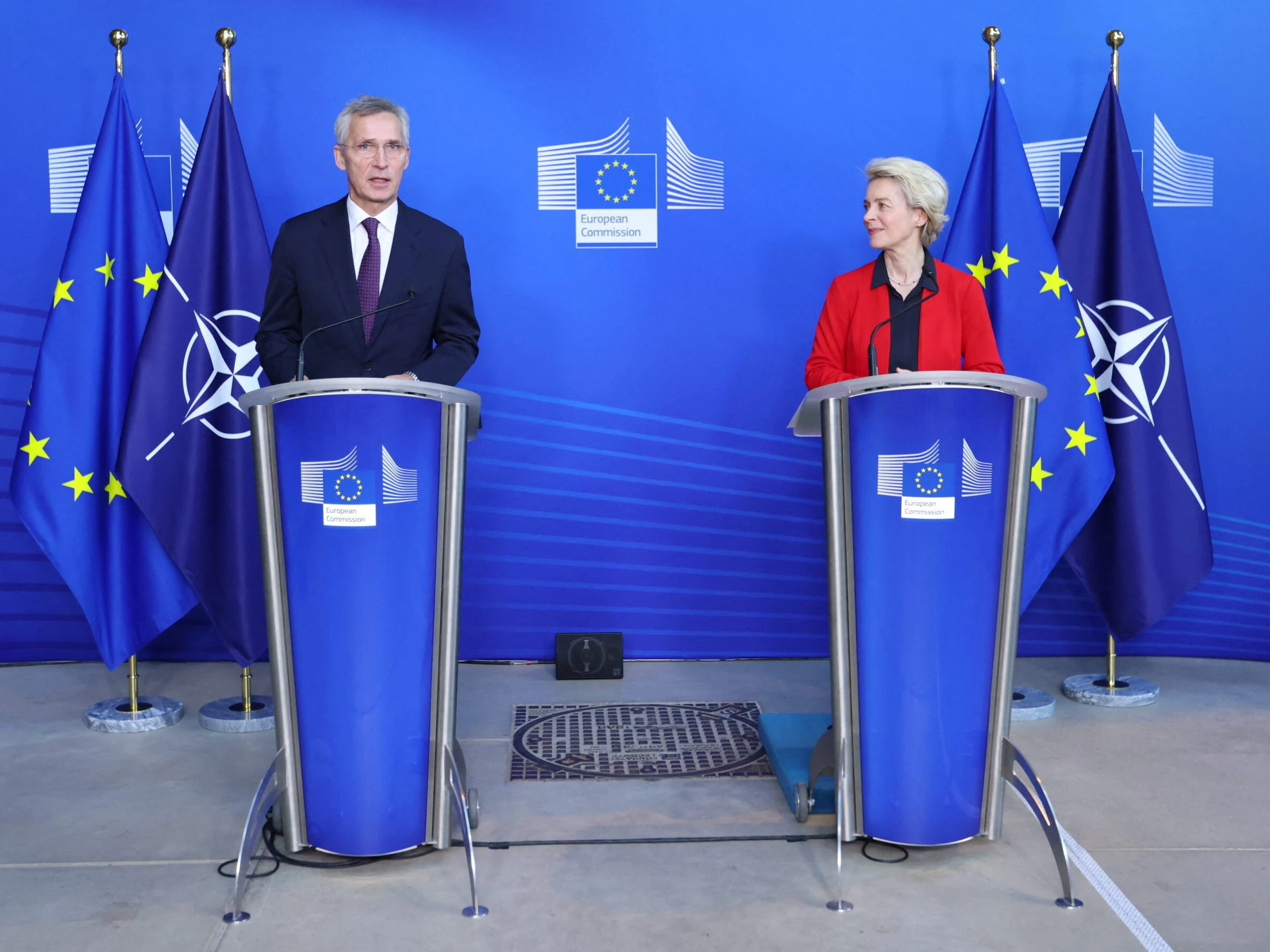
Polish Prime Minister Donald Tusk has raised concerns about the United States' commitment to European defense, questioning whether it will uphold its NATO obligations. In an interview with the Financial Times, Tusk warned that Russia could launch an attack on a NATO member within 'months' and urged the European Union to strengthen its mutual defense clause under Article 42.7 of the EU Treaty.