Italy to Deploy Vessels to Strait of Hormuz
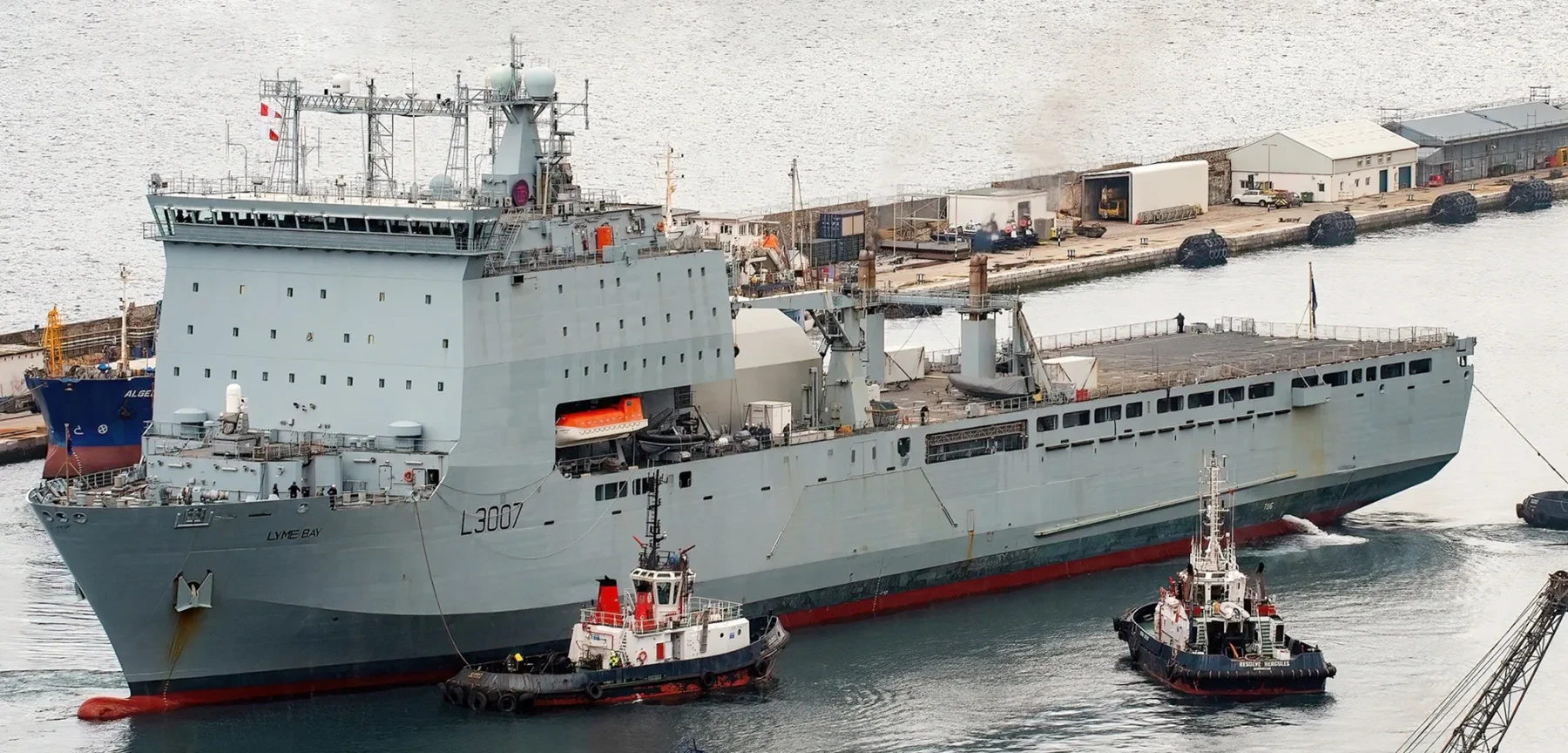
Italy's Navy chief of staff Giuseppe Berutti Bergotto announced that Italy is prepared to deploy up to four vessels, including two minesweepers, to assist in clearing the Strait of Hormuz as part of an international coalition amid ongoing tensions with Iran. This comes as Iran's Revolutionary Guard Corps seized two vessels in the strait, with crews comprising sailors from Montenegro, Croatia, Ukraine, and the Philippines. Meanwhile, U.S. Secretary of War Pete Hegseth warned that the military would take aggressive action against Iranian ships laying mines, as U.S. envoys prepare for talks in Pakistan to address the escalating conflict.
Trump Extends Israel-Lebanon Cease-Fire Amid Ongoing Conflict
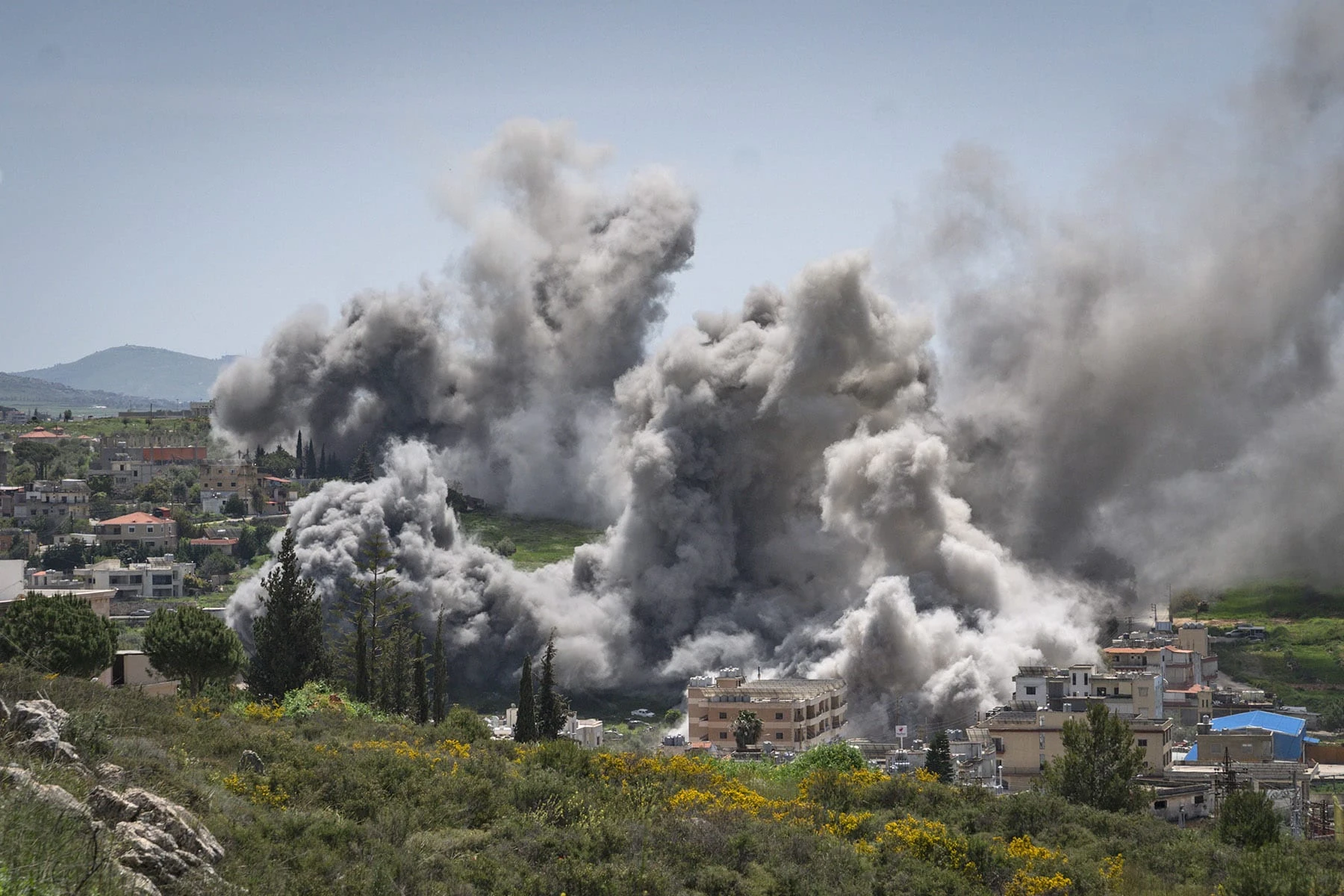
President Trump announced a three-week extension of the cease-fire between Israel and Lebanon, following a White House meeting with Israeli and Lebanese diplomats, although Hezbollah was not represented. The ongoing conflict, which has resulted in nearly 2,300 deaths in Lebanon and 13 in Israel, has heightened tensions in the Strait of Hormuz, where Iranian forces recently seized two cargo ships. Analysts from Allianz Trade predict that global business failures could rise by 6% in 2026 due to the crisis, with potential increases in insolvencies particularly affecting Europe and Asia.
NATO Confirms No Legal Basis to Expel Members
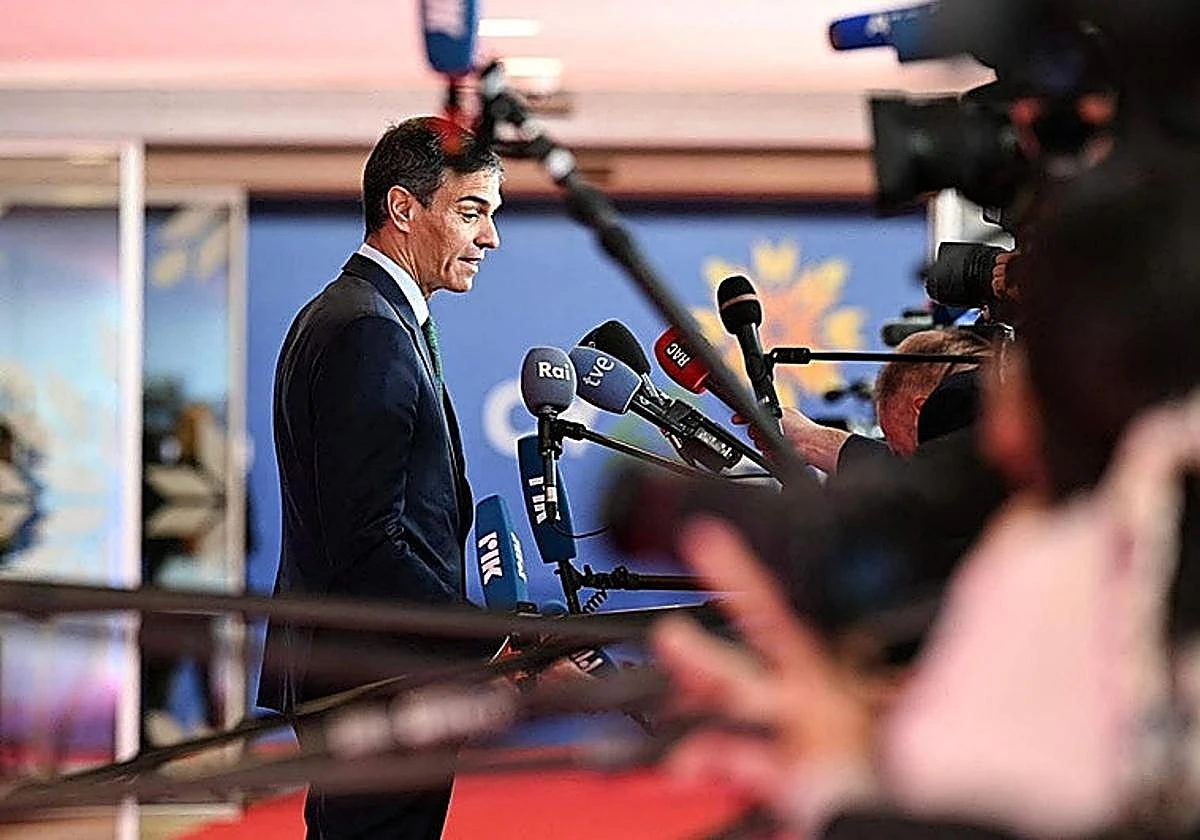
NATO officials confirmed that there is no legal provision for suspending or expelling member countries, following reports that the U.S. is considering punitive measures against Spain for its lack of support in the Iran war. A U.S. official indicated that an internal Pentagon email suggested potential penalties, including the suspension of Spain's NATO membership, due to its refusal to allow U.S. forces to use its bases for operations against Iran. Spanish Prime Minister Pedro Sánchez dismissed the report, stating that Spain operates based on official documents rather than internal communications.
UN Begins Selection Process for Next Secretary-General
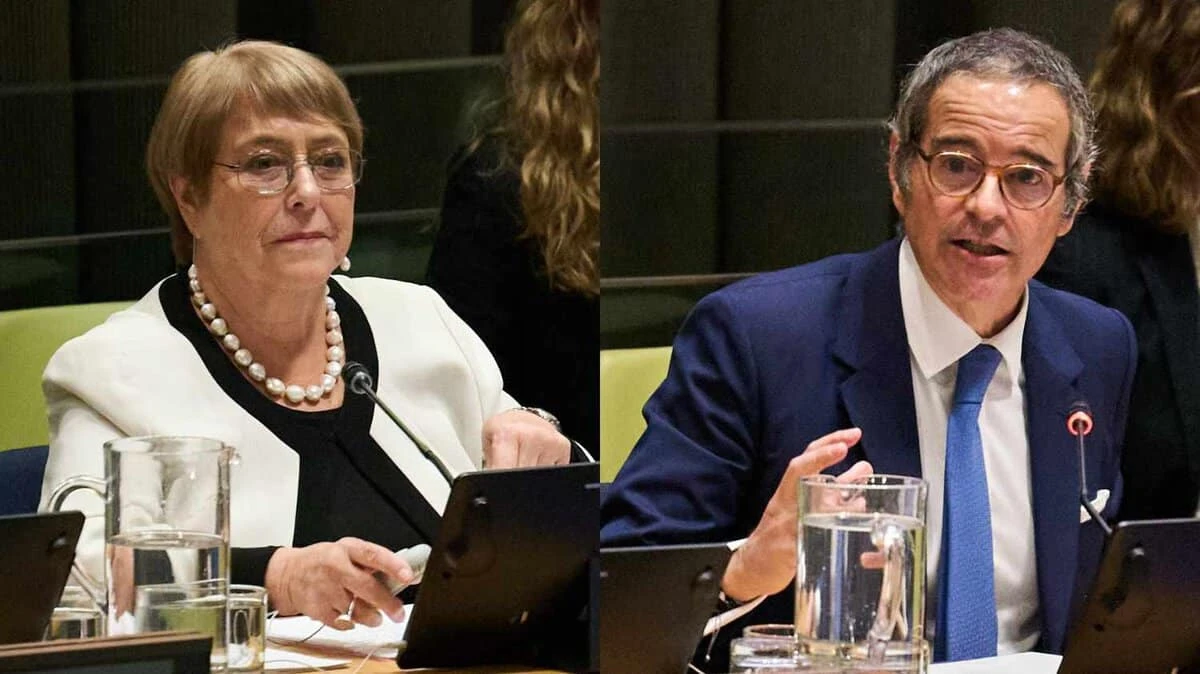
The United Nations has begun the selection process for its next secretary-general, with candidates from Latin America and the Caribbean participating in hearings at UN headquarters. Rafael Grossi, the Argentine director of the International Atomic Energy Agency, and former Chilean President Michelle Bachelet are emerging as front-runners, while the final decision will depend on the consensus of the five permanent members of the Security Council. The process, which started in November 2025, may extend into December 2026, when current Secretary-General António Guterres's term ends.
U.S. Negotiators to Discuss Conflict with Iran in Pakistan
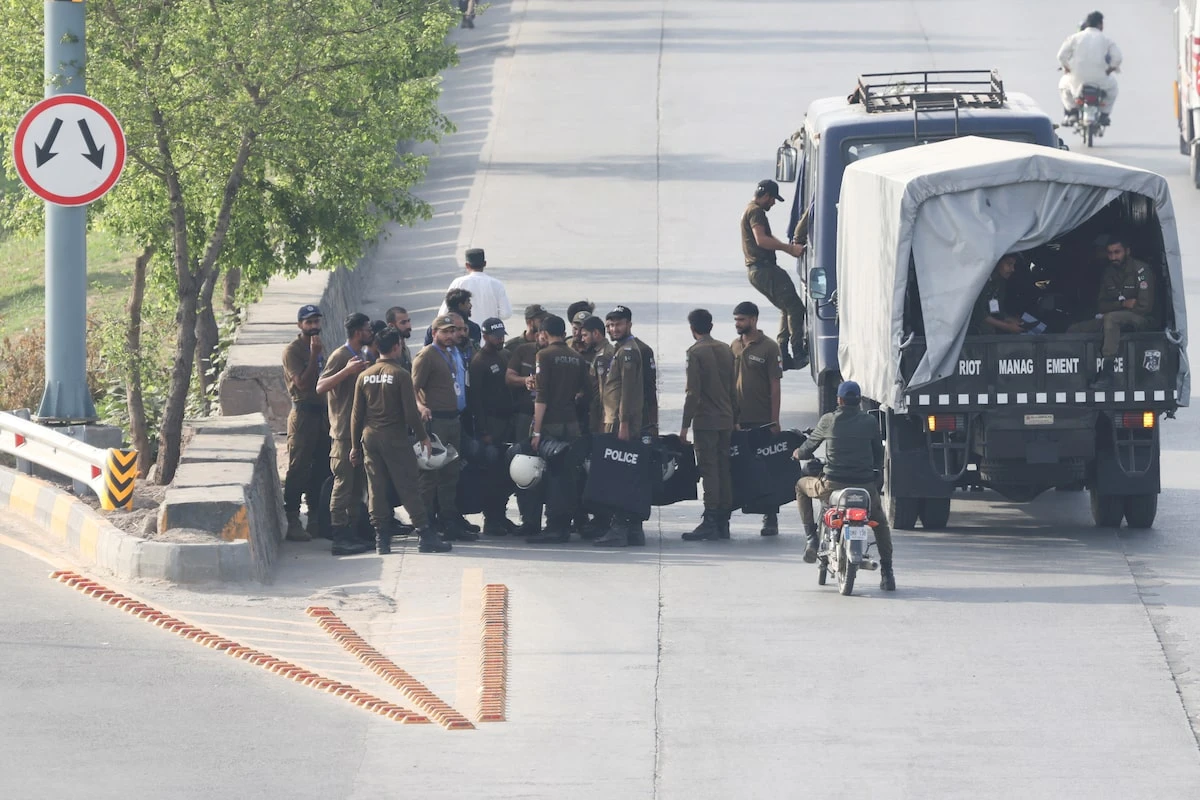
Jared Kushner and Steve Witkoff, U.S. negotiators, are set to travel to Pakistan on Saturday for discussions with Iranian officials regarding the ongoing conflict, as confirmed by White House press secretary Karoline Leavitt. Iran's foreign minister, Abbas Araghchi, arrived in Islamabad on Friday, although Iranian officials later stated that no direct meeting with U.S. representatives is planned, with communications to be relayed through Pakistan. Vice President JD Vance remains on standby to join the talks if deemed necessary.
SNB Chairman Warns of Slower Growth and Inflation
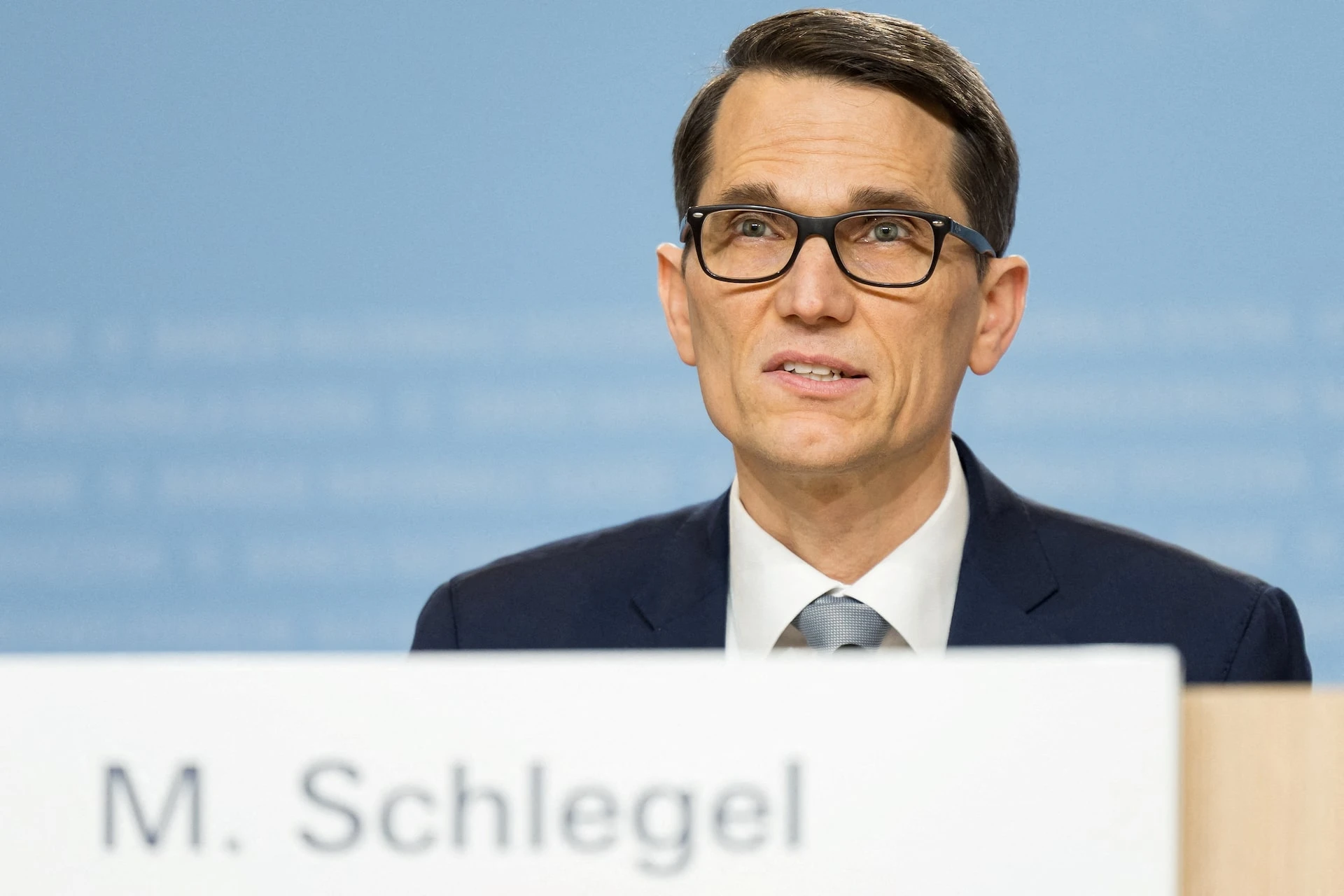
Martin Schlegel, chairman of the Swiss National Bank (SNB), stated that the ongoing conflict in the Middle East is expected to result in slower economic growth and higher inflation in Switzerland. Speaking at the SNB's annual general meeting, Schlegel noted that the global economic situation has become 'very uncertain,' with short-term growth likely subdued and inflation pressures rising due to higher energy prices. He emphasized the SNB's commitment to maintaining price stability, despite the franc's upward pressure from safe-haven investments, and indicated that the bank has increased its foreign currency purchases to 2.5 billion francs in March.
Xi Jinping Addresses Iran Conflict, Signals Policy Shift
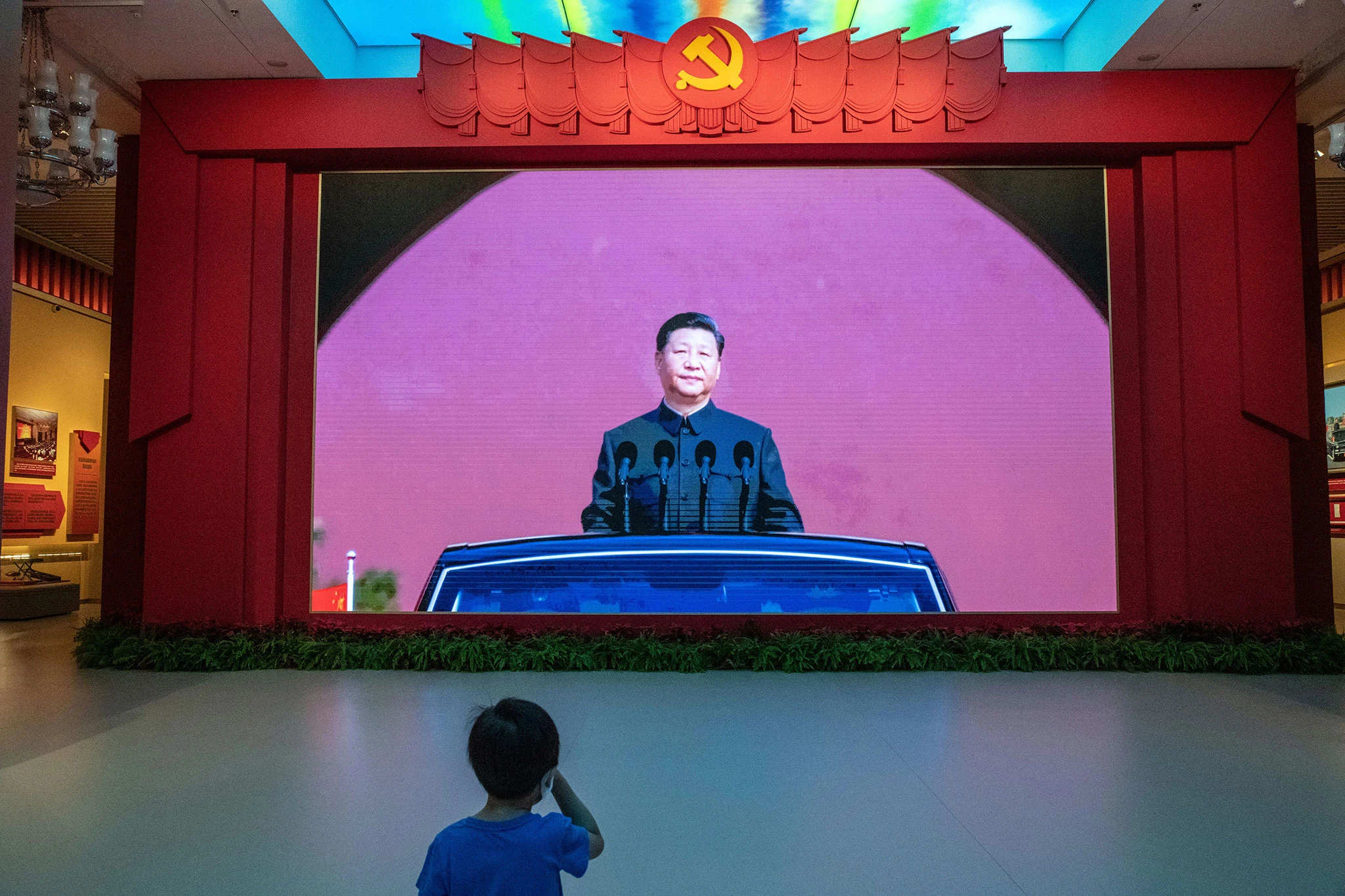
Chinese President Xi Jinping has publicly addressed the ongoing conflict in Iran for the first time, signaling a shift in Beijing's approach as the war enters its eighth week. Analysts suggest that China's increased involvement, including the transfer of dual-use technologies and military items to Iran, is driven by energy security concerns and a desire to enhance its diplomatic influence amid a looming summit with U.S. President Donald Trump. This marks a recalibration from China's initial stance of passivity, as it seeks to assert its role in de-escalation efforts.
Sudan's Civil War Escalates into Major Humanitarian Crisis
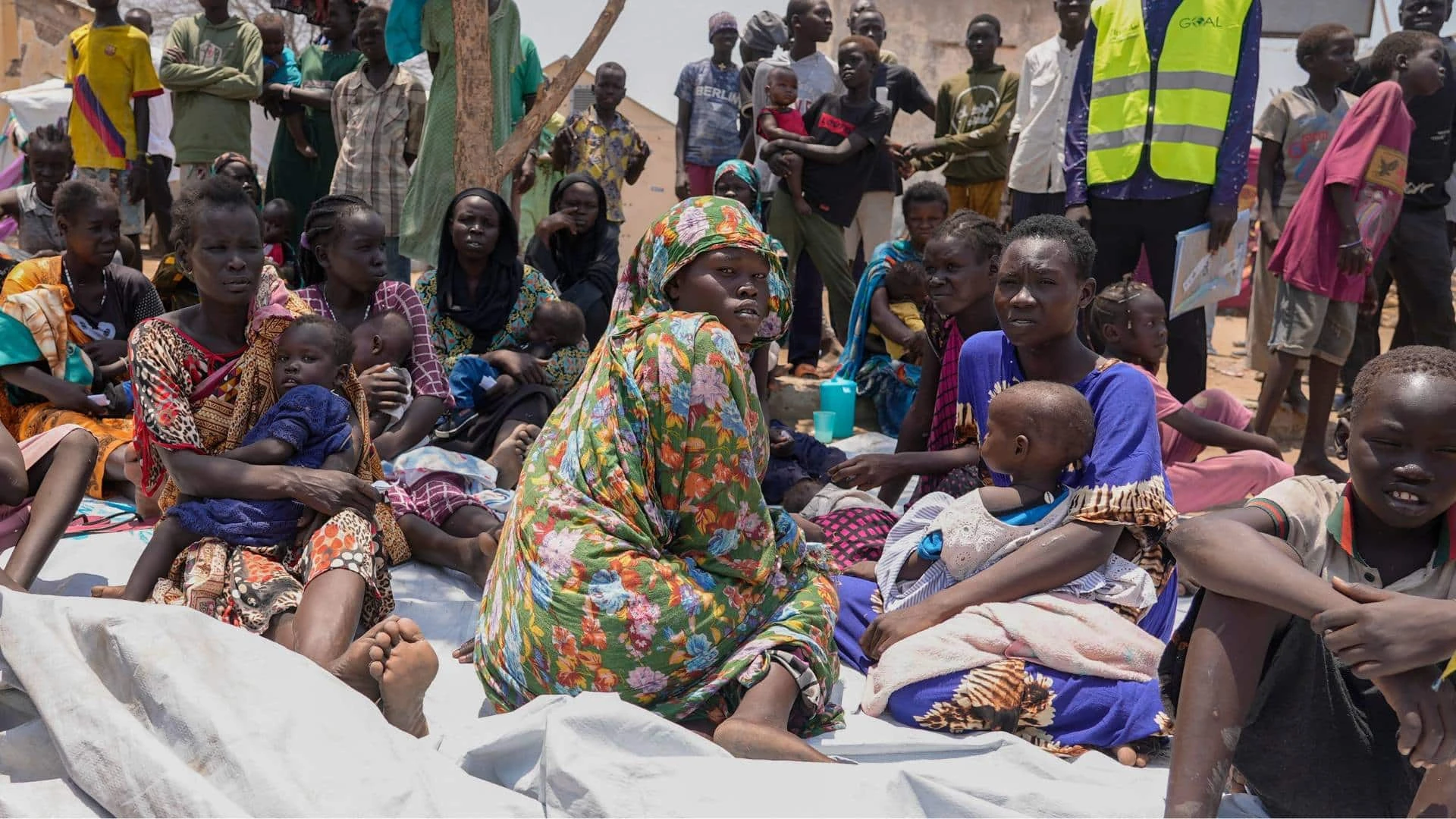
As the civil war in Sudan enters its fourth year, the conflict has escalated into one of the world's largest humanitarian crises, with an estimated 100,000 to 150,000 casualties and over nine million people displaced. The war, initially sparked by a power struggle between military leaders Abdel Fattah al-Burhan and Mohamed Hamdan Dagalo, has drawn in foreign actors, notably Ethiopia, which is alleged to support Dagalo's Rapid Support Forces through covert operations. This involvement is reportedly motivated by territorial disputes and geopolitical ambitions, particularly in relation to the United Arab Emirates, which has longstanding ties to the RSF.
Macron Calls for Greater European Autonomy Amid Global Tensions
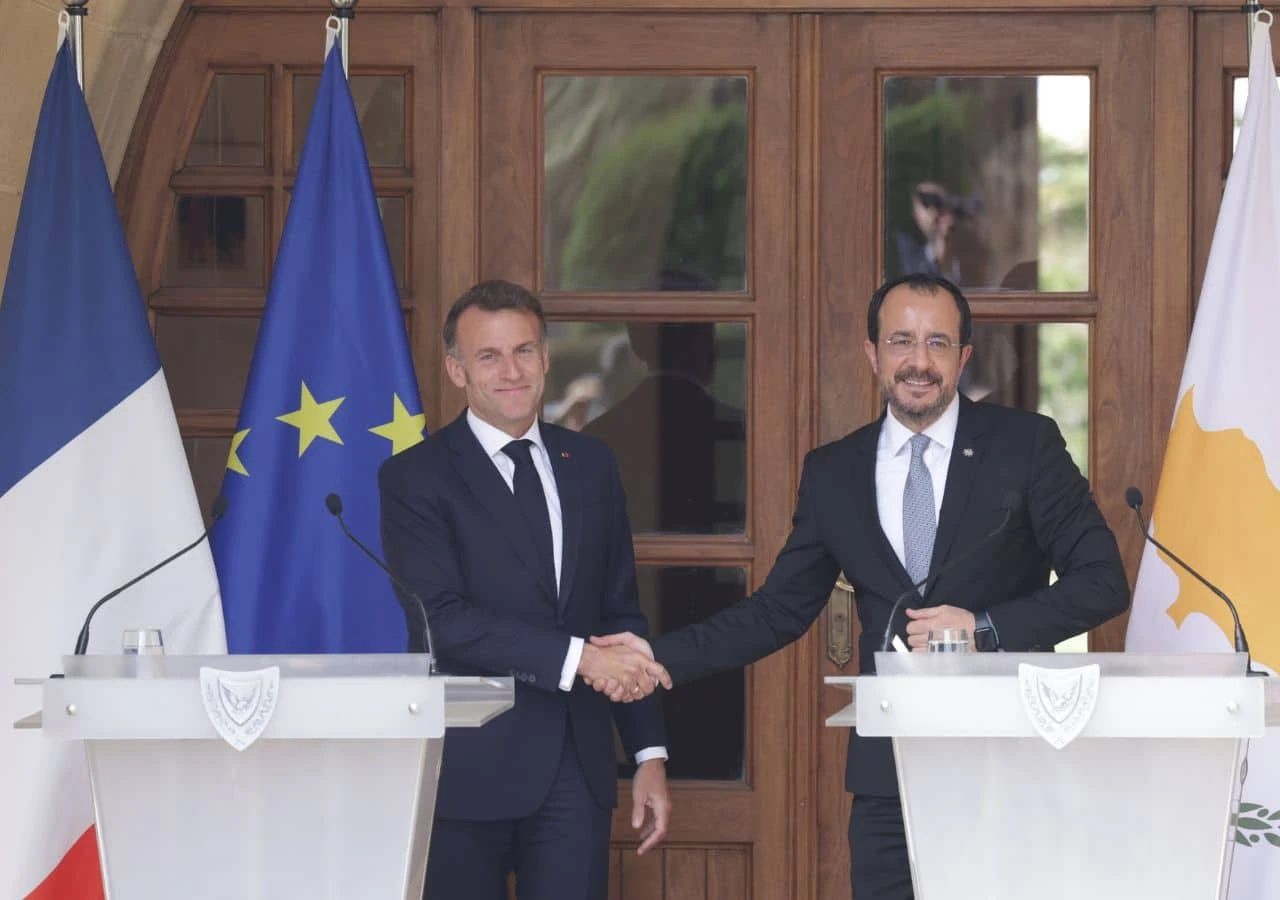
French President Emmanuel Macron stated that Europeans must recognize that the U.S., China, and Russia are opposed to their interests, urging for greater European autonomy in the current geopolitical climate. Speaking in Athens alongside Greek Prime Minister Kyriakos Mitsotakis, Macron emphasized the need for Europe to unite and defend its own interests, noting that tensions with the U.S. are likely to persist beyond Donald Trump's presidency. He also announced the upcoming renewal of a bilateral security pact with Greece, which will extend their mutual defense commitments for an additional five years.
Gaza Aid Deliveries Plummet Amid Ongoing Iran War
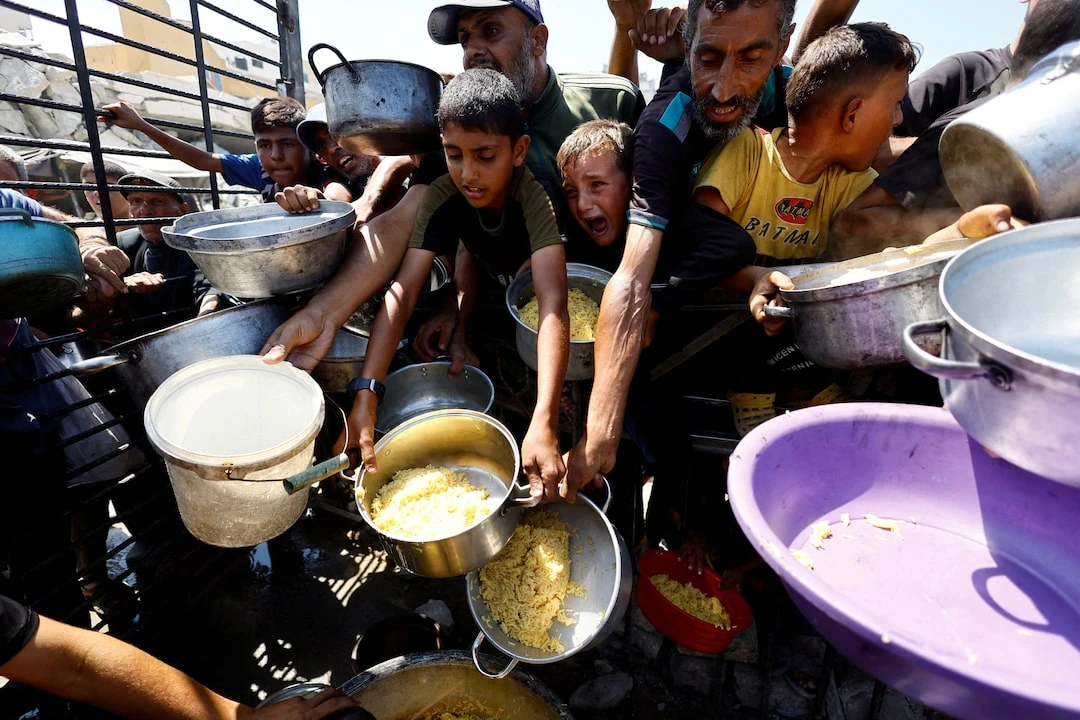
Deliveries of food and goods into Gaza have significantly decreased following the onset of the Iran war, with officials noting that the flow of aid and supplies has consistently missed targets over six months into a Trump-backed ceasefire.