Climate Change Linked to Rising Antibiotic Resistance in Soil
Two studies published in April 2026 indicate that climate change, specifically rising temperatures and drought conditions, may significantly increase antibiotic resistance among soil bacteria, posing risks to human health. Research from the University of Oklahoma found that sustained warming over a decade raised the abundance and mobility of antibiotic resistance genes in soil by approximately 25%, while another study revealed that drought conditions concentrated antibiotics in diminishing water sources, allowing resistant strains to thrive. These findings suggest that environmental factors, rather than solely human misuse of antibiotics, play a crucial role in the evolution of antibiotic resistance.
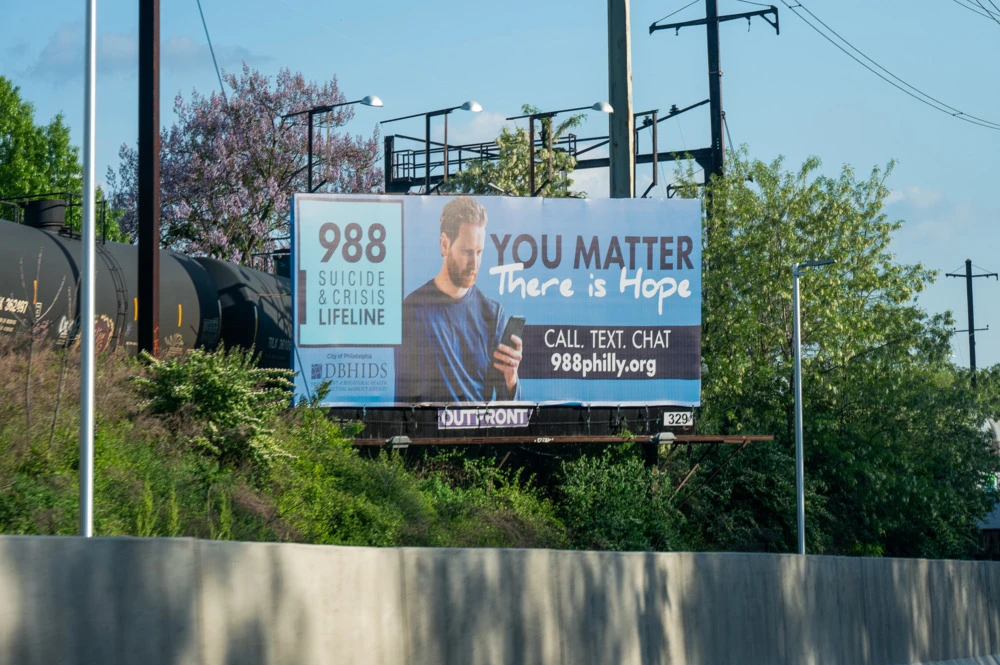
988 Lifeline Linked to 11% Drop in Youth Suicides
A study published in the Journal of the American Medical Association indicates that the launch of the 988 Lifeline in the U.S. is associated with an 11% decrease in suicide mortality among adolescents and young adults aged 15 to 34, compared to projected rates. From mid-2022 to the end of 2024, approximately 35,500 suicides occurred in this age group, significantly lower than the nearly 40,000 expected. The research suggests a correlation between the increased use of the 988 Lifeline and the decline in suicide rates, particularly in states with higher call volumes.
Study Resolves Muon Discrepancy, Confirms Standard Model
An international team led by Zoltan Fodor, a distinguished professor of physics at Penn State University, has published a study in the journal Nature revealing that a long-standing discrepancy in the muon's magnetic properties was due to a calculation error rather than new physics. The research, which took over a decade to complete, confirms the Standard Model of particle physics to an unprecedented level of precision, aligning theory and experiment within half a standard deviation and effectively ruling out the existence of a fifth fundamental force.
Kyverna reports positive Phase II results for miv-cel
Kyverna Therapeutics announced promising results from a Phase II trial of its experimental CAR T cell therapy, miv-cel, for stiff person syndrome (SPS), with a median 46% improvement in walking speed observed in 26 patients after a single infusion. Neurologist Amanda Piquet reported that 81% of participants achieved a clinically meaningful improvement, and 67% of those who initially required walking aids no longer needed assistance by Week 16. The company plans to seek FDA approval for miv-cel in the first half of 2026, potentially making it the first CAR T therapy approved for an autoimmune disease.
Largest Indigenous American genomic database unveiled
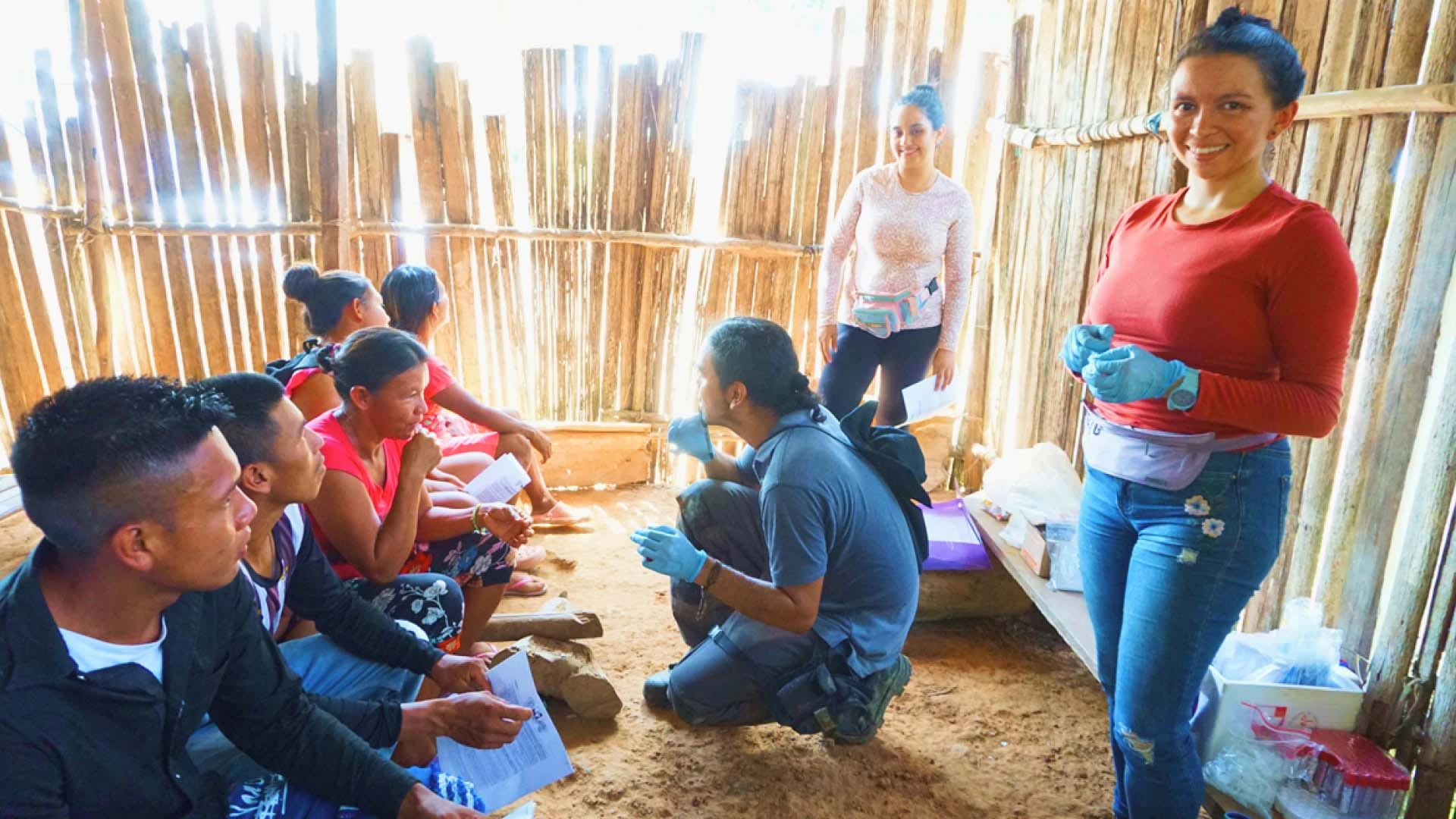
An international study led by the Institute of Evolutionary Biology has sequenced 199 genomes from Indigenous American populations, compiling the largest genomic database to date. This research, part of the Indigenous American Genomic Diversity Project, includes 128 previously unpublished genomes from 45 populations across eight Latin American countries, revealing over a million unique genetic variants and insights into human adaptation and health. The findings underscore the importance of representing these populations in genomic research to enhance understanding of genetic diversity and its implications for medicine.