Astronomers Identify Record-Breaking Black Hole Duo
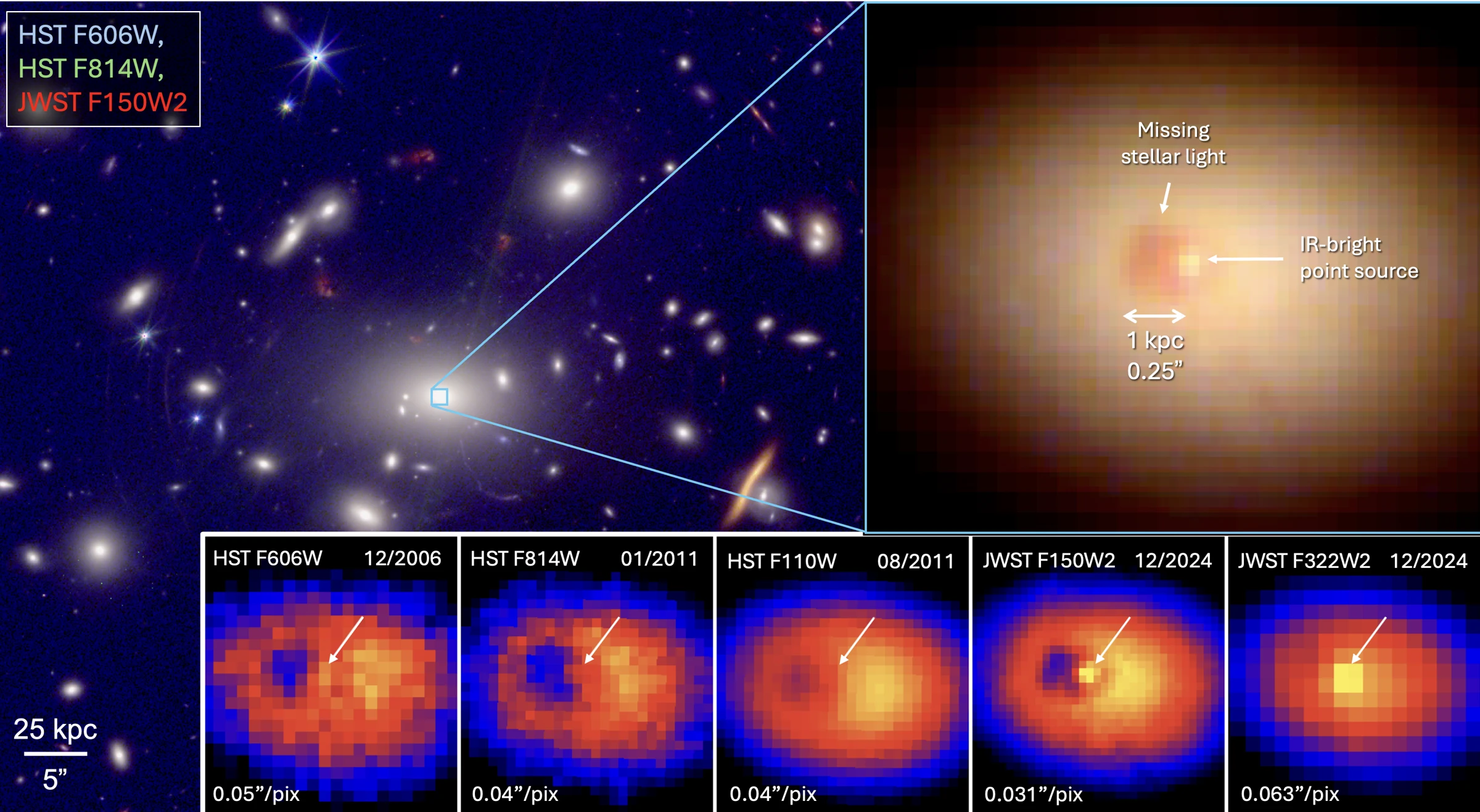
Astronomers have potentially discovered a pair of black holes in the galaxy Abell 402-BCG, located 4.4 billion light-years away, with a combined mass of approximately 60 billion times that of the sun, making them the most massive black hole duo identified to date. Observations from the James Webb Space Telescope and the Very Large Telescope indicate that these black holes are spiraling towards a merger, a process that could lead to the formation of one of the largest black holes known in the universe.
Climate Change Expands Rodent Habitats for Deadly Viruses
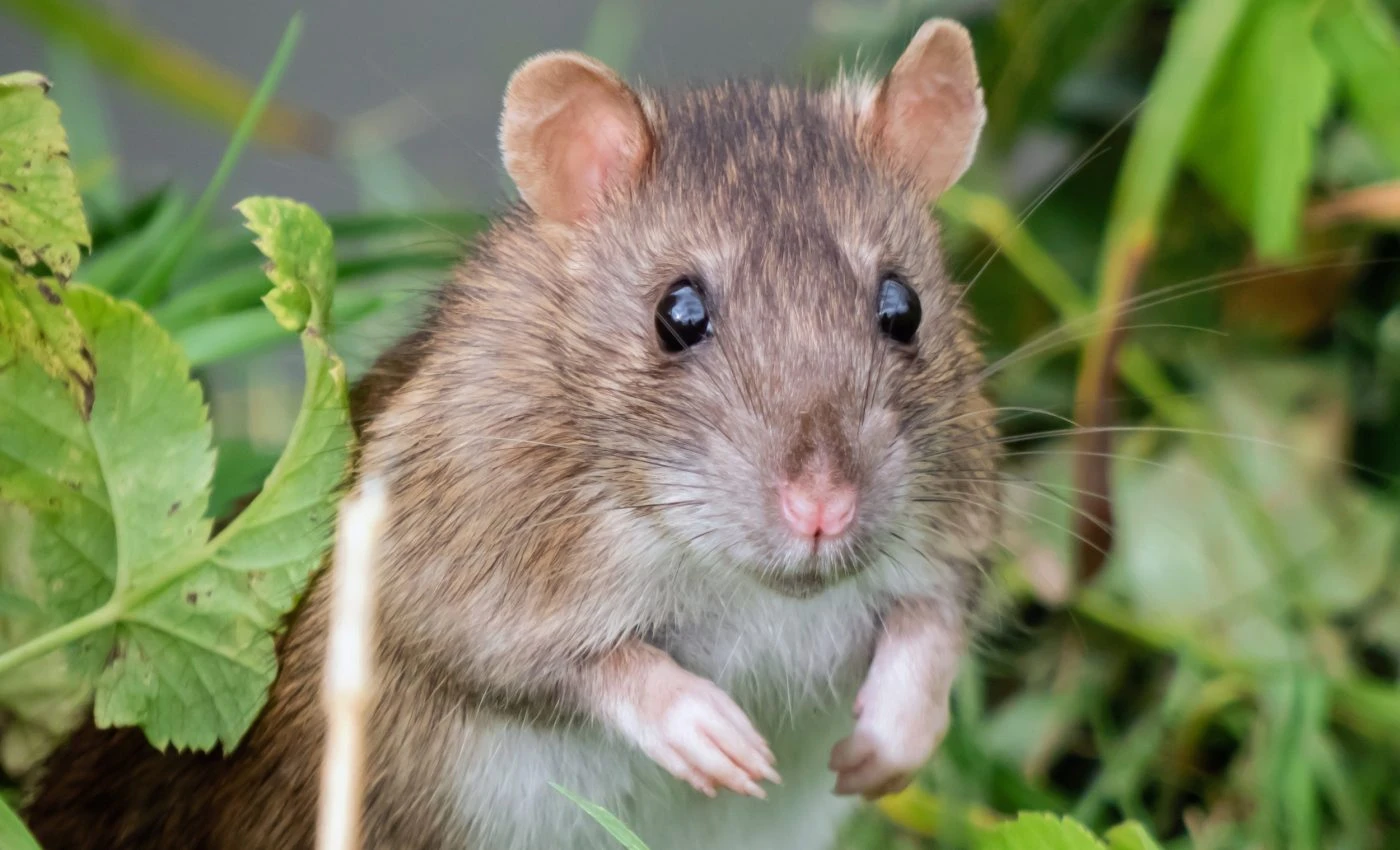
Researchers from the University of California, Davis, have reported that climate change is likely to expand the habitats of rodents carrying deadly arenaviruses in South America, potentially exposing new populations to severe hemorrhagic diseases. The study, published on April 15, 2026, indicates that rising temperatures and changing rainfall patterns could enable viruses such as Guanarito, Machupo, and Junin to spread into regions where they have not previously posed a threat, increasing the risk of spillover events into human populations. With no approved treatments for these diseases and limited vaccination options, the findings highlight the urgent need for public health authorities to address these emerging risks.
Adult male gray seals identified as pup killers
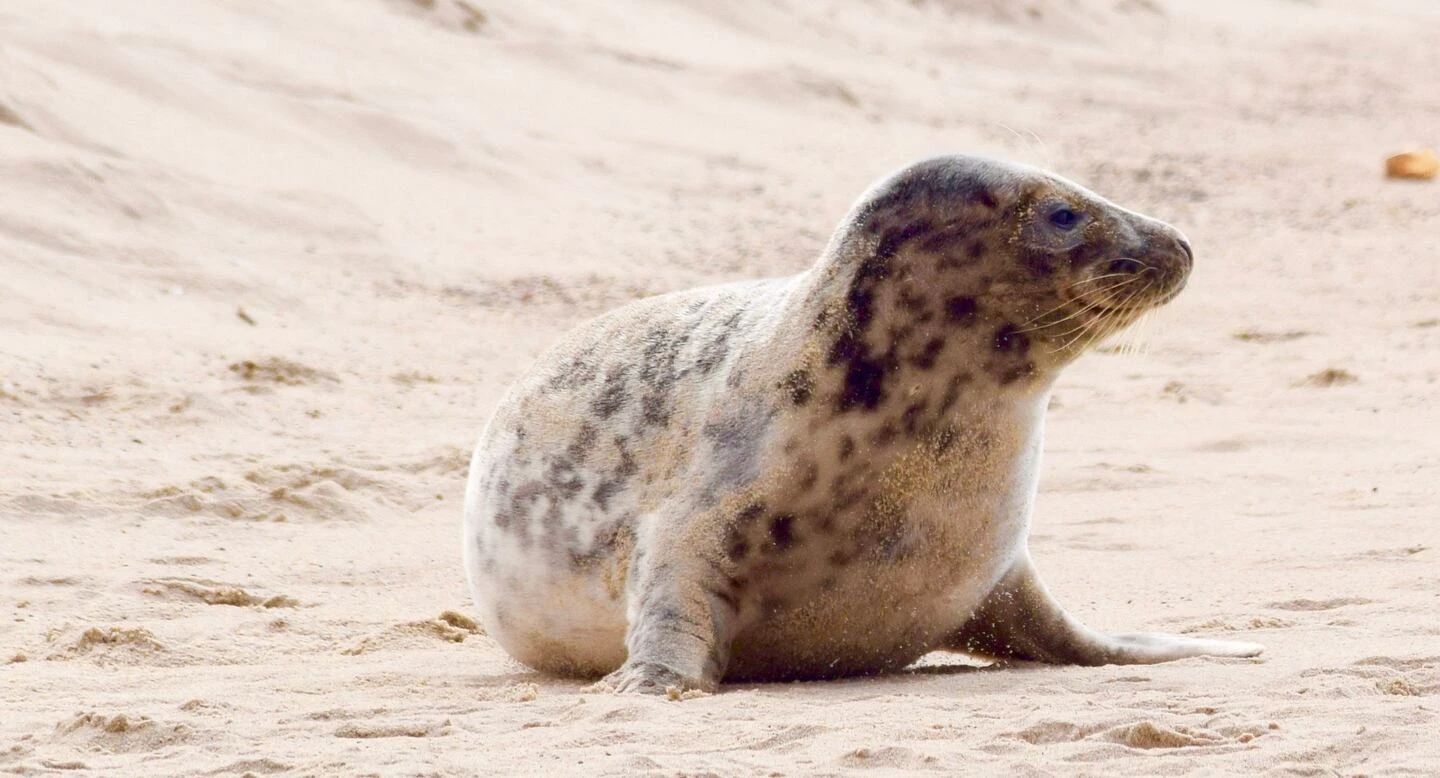
Scientists have identified adult male gray seals as the cause of severe injuries leading to the deaths of hundreds of gray seal pups on Sable Island, Canada, previously attributed to sharks or boat propellers. Research published in Marine Mammal Science documented 765 corkscrew-injured pups in the 2024 breeding season alone, with evidence showing that these attacks are perpetrated by adult males taking advantage of the unsuspecting young. This finding marks a significant shift in understanding the dynamics of seal behavior and mortality.